








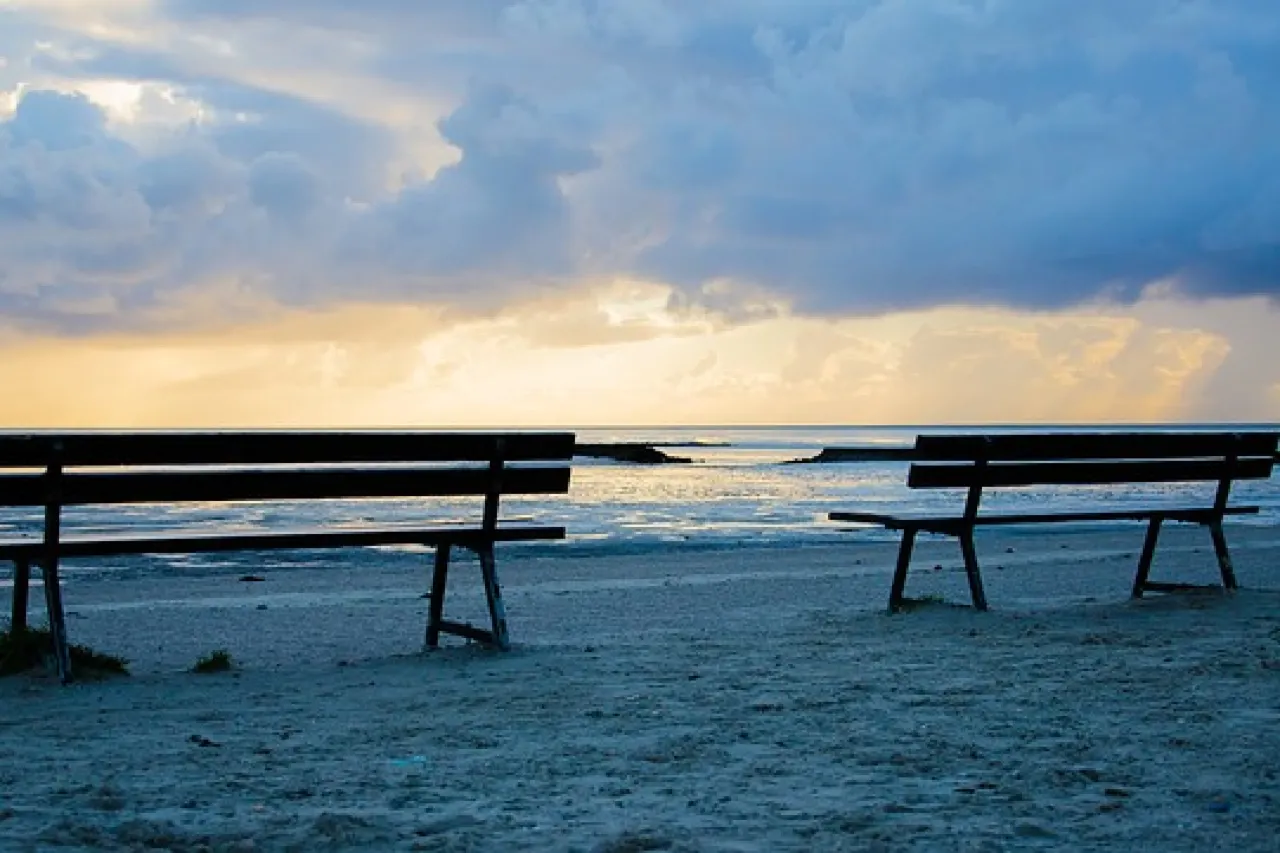
At eleven o’clock on a June night, a member of our team stood on a lakeshore in the Westfjords photographing a mountain under full daylight, checked her watch, and realized she had missed “sunset” entirely — because sunset that night would arrive at midnight, and sunrise would follow around three. That is the midnight sun, and it rewrites everything about how you plan a trip: the sightseeing day never has to end, the light never goes harsh, and your body clock becomes the only clock that matters. It is the most pleasant disorientation you will ever experience, and it deserves deliberate planning rather than accidental discovery.
The window runs from mid-May to mid-August, when Iceland tilts toward the sun and the night reduces to a pale, golden interruption. This guide is the planning playbook our team uses for summer trips: what the phenomenon actually is and where it is strongest, how to protect your sleep from a sun that never sets, the experiences that are genuinely better at midnight, the photography logic of endless golden hour, the summer-only access that opens up the Highlands and the puffin cliffs — and the honest trade-offs, from peak-season crowds to blackout-curtain roulette.
Key takeaways
- The window is mid-May to mid-August: in Reykjavik the solstice sun sets just after midnight and rises around 03:00 — the “night” is a golden pause.
- Grímsey, on the Arctic Circle, takes it to ~24 hours of continuous daylight around the solstice.
- Plan by clock, not by sky: the light will always let you do one more stop; your sleep and driving hours are what actually need managing.
- Midnight is prime time: walk behind Seljalandsfoss in golden light, watch Jökulsárlón go still and pale, and join seasonal midnight whale sails from Húsavík.
- Pack an eye mask and expect blackout-curtain variance — the biggest real-world complaint of first-time summer visitors.
Quick answer: book the summer window early (it is peak season), plan your days by the clock with a firm quit-time for driving, and spend the “evening hours” on the experiences that are empty at midnight — waterfalls, lagoons, pools and harbors. If you are arriving from North America, schedule a light first day; the jet lag plus permanent daylight hits harder than the numbers suggest.
What the midnight sun actually is
The midnight sun is a simple consequence of latitude. In the weeks around the summer solstice, Iceland — which sits just below the Arctic Circle at its north — tilts so far sunward that the sun barely dips below the horizon. In Reykjavik, on the solstice, the sun sets just after midnight and rises again around three in the morning; the in-between hours are not darkness but a long, luminous dusk that never quite lets go. Travel further north and the effect strengthens: on Grímsey, the small island off the north coast that straddles the Arctic Circle, daylight holds on for roughly 24 hours around the solstice.
The practical window for visitors is mid-May through mid-August — the months when nights are so short and bright that “daylight hours” stops being a planning constraint altogether. Before and after that window, the nights reappear gradually; by late August you get proper dark again and the first aurora whispers of the season. This is the mirror image of the winter experience our team describes in the winter guide: the same daylight mathematics, run in reverse.
The most important thing to understand about the phenomenon is behavioral rather than astronomical: the light removes every natural end-of-day signal. There is no dusk to tell you to head home, no darkening room to make you yawn. Travelers who plan consciously love it — those who don’t find themselves driving at 22:00 wondering why they are exhausted. The rest of this guide is about being the first kind of traveler.
Your body clock: jet lag and sleep
Start with the jet-lag math. A visitor from the US East Coast loses roughly five to seven hours in one step; land at noon local time — which is what most transatlantic schedules deliver — and your body believes it is late afternoon of a day that started before dawn, with a full Icelandic “day” still ahead and daylight that will not quit for another eighteen hours. The first afternoon feels brutal, and the permanent light does not help your body register that night exists. Our standard advice: plan an easy first day, eat at local mealtimes, and force yourself outdoors into the light — it resets the clock faster than fighting it in a dark hotel room.
Then there is sleep hygiene. The single most recommended item in every summer packing conversation is an eye mask, and the advice is earned: many hotels have blackout curtains, but older guesthouses and some rural rooms vary wildly, and a sliver of 23:00 sunlight around a curtain edge is enough to wreck a sleep cycle. Pack the mask, plus a strip of tape if you are particular — travelers who do this report the difference between a restful trip and a zombie one.
Worth knowing: the light is also a driving hazard in disguise. Sunset at midnight means “just one more stop” always feels reasonable — but fatigue is a clock, not a light switch. Set a firm quit-time for driving each day, honor quiet hours at campsites (commonly 22:00–08:00), and let the long evenings be for walking distance from your bed, not for another two hours behind the wheel.
The best midnight-sun experiences
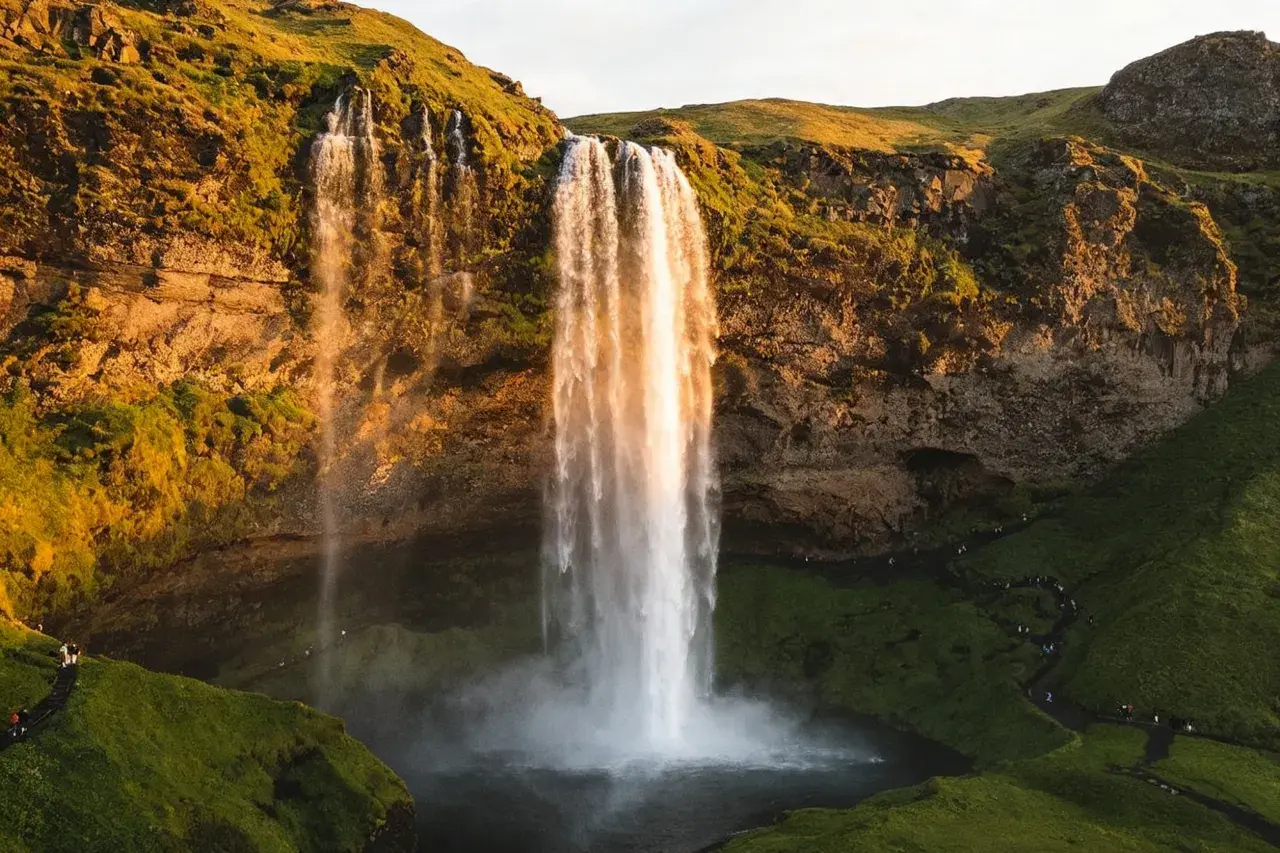
Some Icelandic experiences change category entirely under the midnight sun — not just possible at midnight, but better. The first is the walk behind Seljalandsfoss: at golden-hour-plus-midnight the waterfall’s back passage glows, the crowds are gone, and the whole scene turns amber. We have walked it at 23:00 in T-shirt weather; the same walk at noon is a queue. Our Seljalandsfoss guide covers the logistics — bring the waterproof shell regardless.
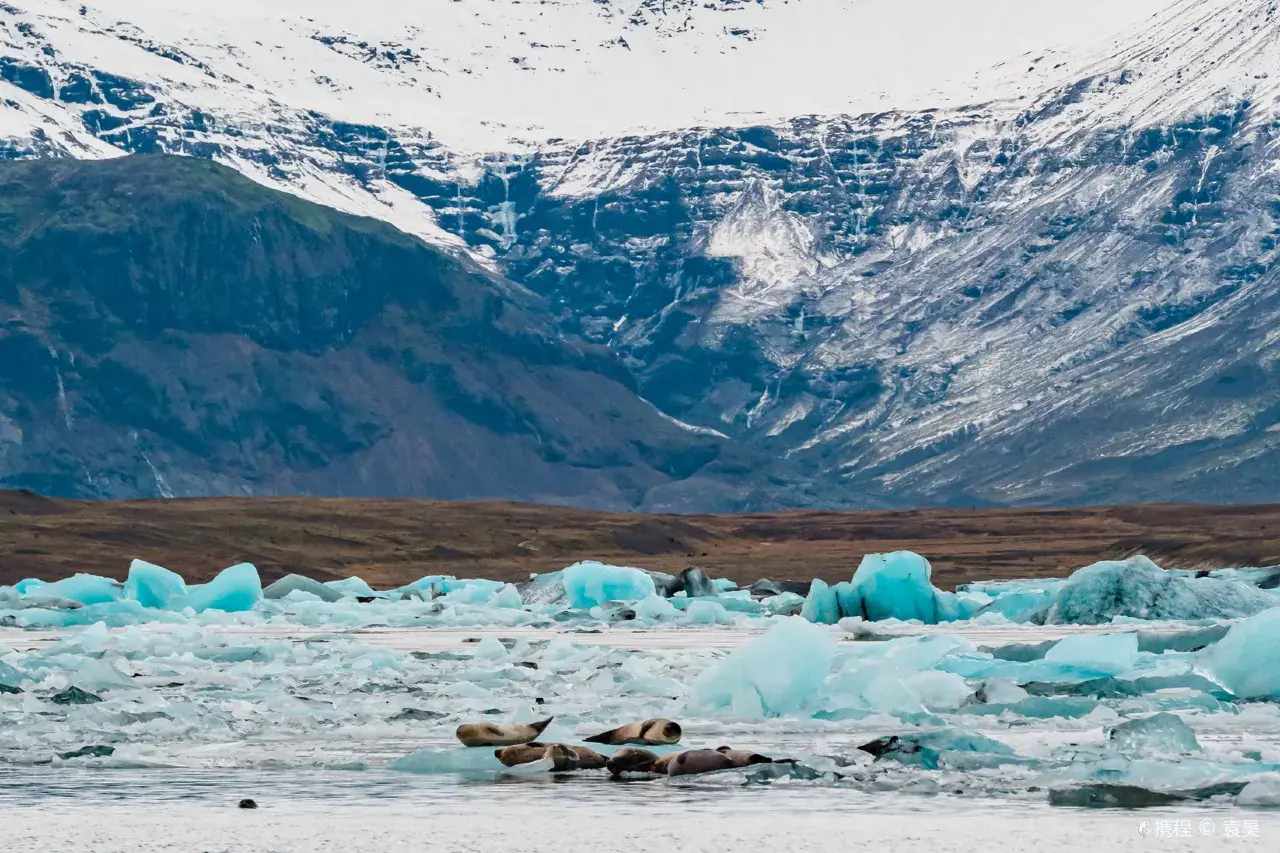
The second is Jökulsárlón in the pale hours: the glacier lagoon’s bergs — no crowds, the ice floating in near-silence, and light that makes the water look like poured mercury. Photographers have long known that the lagoon’s “blue hour” at midnight outperforms its midday self; the full picture is in our Jökulsárlón guide.
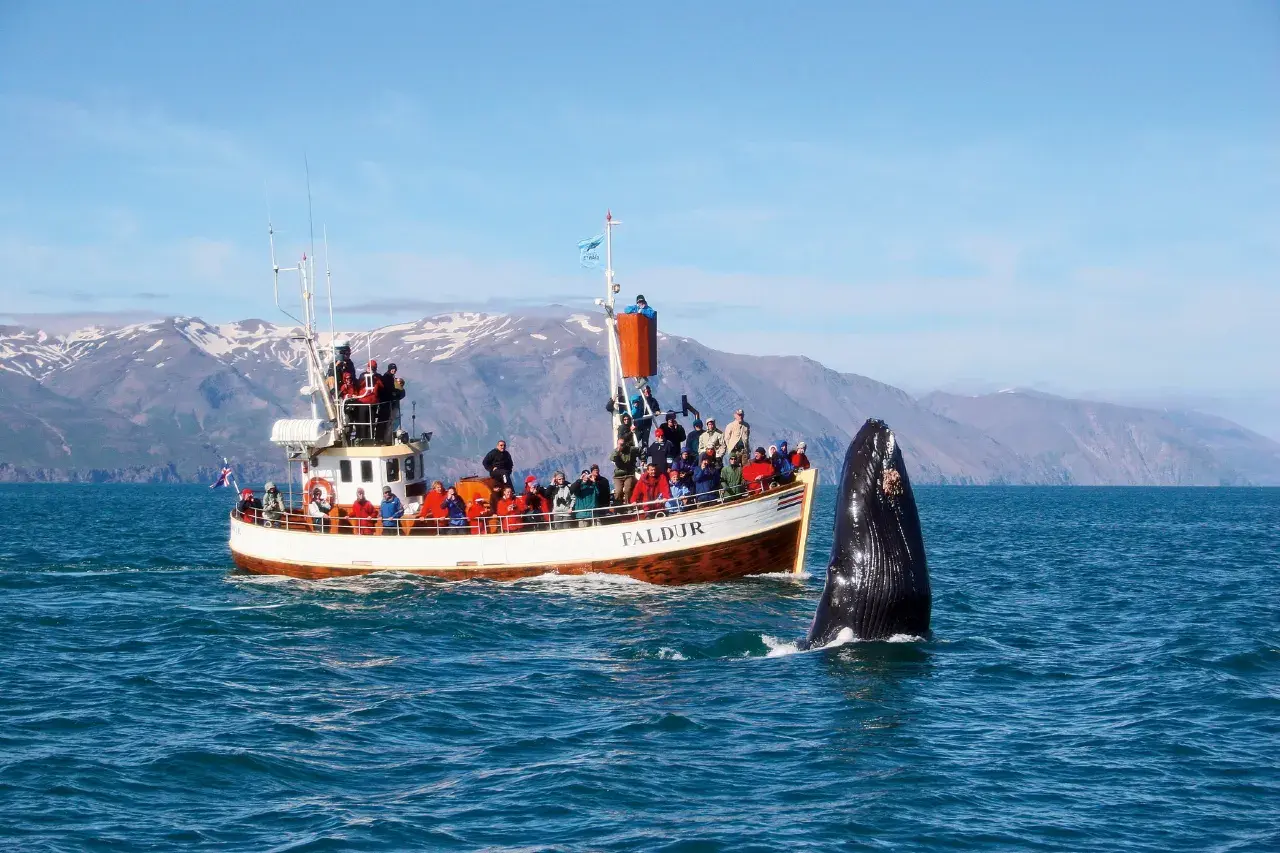
Third are the midnight whale sails from Húsavík — seasonal departures that run the bay in the calm, glowing hours when the water flattens and the light turns painterly. The north’s whale-watching capital earns its title twice over in summer; our Húsavík guide covers the seasonal options.
And fourth is the humble geothermal pool at 23:00: local pools and lakeside lagoons empty out in the evening, and soaking in steaming water under a bright sky — teenagers playing football next door, in full daylight, at an hour your body insists is late — is the summer experience Icelanders themselves treasure most. Add the Vestrahorn mirror nights in the southeast, when the tidal plain goes glassy at “sunset” and doubles the mountain: a midnight appointment worth keeping.
Photography in endless light
Summer in Iceland is the rare destination where the photographer’s core problem — good light in a short window — simply evaporates. The golden hours stretch for six to eight hours on either side of the “night”, shadows stay low and flattering, and the northern latitude’s sideways light gives landscapes a dimensional quality midday sun cannot fake. The strategy shifts from racing light to rationing energy: pick two or three locations per evening and let the light do the work.
Two practical notes from experience. Waterfalls and coastlines benefit from filters — a standard neutral-density setup extends the silky-water exposures that make the classic frames — and the same wind discipline applies everywhere: anchor the tripod (a hanging bag does the job) and treat gusts as the default condition. For the full location-by-location playbook — including the aurora settings that matter once late August brings dark back — the photography guide linked at the end of this article is the companion piece.
The one summer-specific trap is white balance and exposure in permanent twilight: cameras meter the bright sky and underexpose everything else, so shoot RAW, expose for the landscape, and let the unusual golden color cast be part of the file rather than something to correct away. The light you are photographing at midnight does not exist anywhere at noon — that is the point.
Summer-only access: Highlands and wildlife
The midnight-sun months are also the months when Iceland opens its back rooms. The Highlands — the colored rhyolite hills of Landmannalaugar, the valley routes into Þórsmörk — become accessible only in the summer season, via mountain F-roads that require 4×4 vehicles and close again at the first autumn snows. If the Highlands are on your list, the summer window is not optional; our Landmannalaugar guide covers the access rules.
Wildlife runs on the same calendar. Puffin season peaks across the summer months, with the cliff colonies at full occupancy from late spring to early August; whale watching hits its best overlap of species and sea conditions in June through August, with the Húsavík midnight sails as the signature experience (our puffin guide covers the colony logistics). Outdoor festivals cluster in the same weeks, and the campsite network — the backbone of budget summer travel — operates at full capacity, its social peak fueled by campers who can cook and socialize in daylight at any hour.
The compounding effect is why summer bookings surge: everyone wants the Highlands, the puffins and the long light in the same window. Reserve vehicles, rooms and the popular summer tours well ahead — availability, not weather, is the season’s binding constraint.
The trade-offs, honestly
Peak season has a price, and it is worth stating plainly. Crowds concentrate on the signature sites — the Golden Circle stops, the South Coast waterfalls — and midday at Skógafoss or Gullfoss in July is a different experience from the same places in October. Prices for accommodation and rental vehicles sit at their annual high. Restaurants in hot spots run waits; campgrounds run full. None of this makes summer a bad choice — the light, the access and the wildlife justify it — but it means the value of the midnight sun comes from using it: visit the famous stops early morning or late evening when day-trippers have gone home, and let the 18:00–23:00 hours carry your sightseeing.
The other honest trade-off is biological. Some travelers simply sleep badly in permanent daylight, masks notwithstanding, and multi-week summer trips accumulate fatigue quietly. If you know you are light-sensitive, consider the shoulder shoulders — late May or the second half of August — which deliver most of the long-light experience with thinner crowds, lower prices and, by late August, a chance of the season’s first auroras. What we would skip: trying to compress the whole island into a summer long-weekend. The light may be infinite; your vacation days are not. Build the trip around the recommended five-to-ten-day arc and give the jet lag its day.
Frequently asked questions
When exactly can I see the midnight sun in Iceland?
The bright-night window runs from mid-May to mid-August. Around the summer solstice, Reykjavik’s sun sets just after midnight and rises around 03:00, and Grímsey — on the Arctic Circle — holds roughly 24 hours of daylight. Outside the window the nights shorten quickly, with true darkness back by late August.
How do people sleep with the sun up all night?
With an eye mask and a firm schedule. Many hotels have proper blackout curtains; older guesthouses vary, so pack the mask regardless. Keep to local mealtimes, get outdoor light on arrival day to reset your clock, and honor campsite quiet hours — the light will always invite one more activity, and fatigue accumulates quietly.
Do attractions stay open late in summer?
Opening hours vary by operator — pools, museums and tour companies each post their own summer schedules, so check per site. The daylight itself is not the constraint: hiking trails, beaches and the landscape attractions are open at any hour, which is why the midnight window works best for nature experiences rather than indoor venues.
Is summer actually the best season to visit Iceland?
It is the best season for access and wildlife — Highlands open, puffins and whales at peak, hiking at full range — and the most expensive and crowded. If your priorities are aurora and ice caves, winter wins. If you want maximum daylight freedom and the Highlands, summer is unmatched; the midnight sun is the reason to plan it deliberately.
Does the midnight sun affect driving?
The roads are easier to see and the driving day can stretch indefinitely — which is exactly the risk. Fatigue follows the clock, not the light: set a daily quit-time, take real breaks, and remember that a “short evening drive” at 22:00 is still a drive at the end of a long day. The off-road rules and road-status routines in our driving guides apply all summer.
Turn long light into a real itinerary
The Ring Road is the midnight sun’s natural stage, and the packing list is shorter than you think — both guides are linked.
Where to point the endless evening: the Jökulsárlón guide for the pale-hour lagoon, the photography guide for the twenty locations that reward the light, and the blog for our team’s summer trip notes — including the midnight pool sessions we rate above any paid attraction.
Sources & official references
- Midnight-sun window (mid-May to mid-August) and solstice timing per Icelandic Meteorological Office daylight tables (en.vedur.is, checked 2026).
- Grímsey Arctic Circle position and near-24-hour solstice daylight per standard geographic references and North Iceland tourism materials.
- Highland F-road seasonal access and 4×4 requirements per road.is; travel-season notes per safetravel.is (checked 2026).
- Trip.com Iceland destination guide (checked 2026): summer travel tips, midnight-sun window and seasonal highlights.
- Editorial summer visits 2022–2026 by the Iceland Travel Guides team.
