



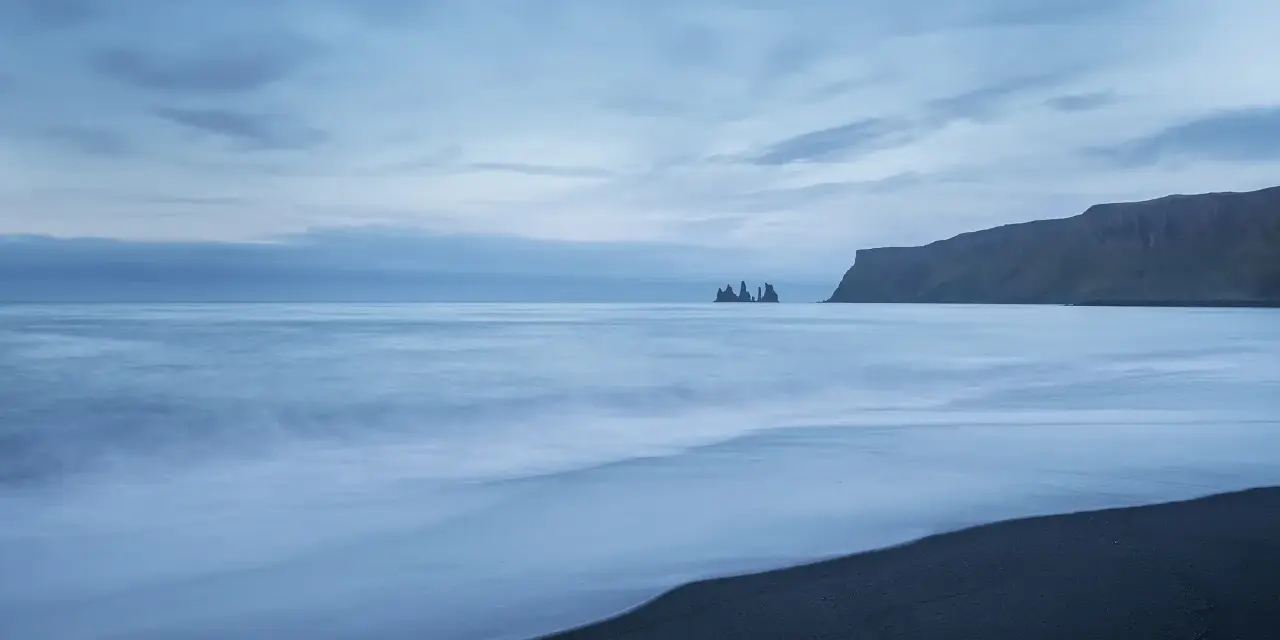
Every Iceland veteran owns the same story: a morning so calm the mountains double themselves in still water, an afternoon so windy the car door became a projectile, and an evening rainbow because, of course, it rained in between. “Four seasons in one day” is not a tourism slogan here; it is a weather forecast you can set your watch by. The travelers who love Iceland learn one skill above all others — planning around weather instead of against it — and this guide teaches that skill properly.
The first thing to unlearn is the obsession with cold. Iceland’s temperatures are mild for its latitude; the Gulf Stream keeps the coasts livable year-round, and the wind chill, not the thermometer, is what takes your breath away. Wind is the country’s real hazard: it opens car doors with destructive enthusiasm, pushes vehicles across lanes, cancels ferries and reshapes itineraries without apology. Respect the gusts and you will find the island generous; fight them and you will spend your holiday indoors, sulking.
Punti chiave
- Wind, not cold, is the number-one hazard: gusts open car doors violently (rental damage) and physically push vehicles.
- Never drive during orange or red wind warnings — wait it out; the itinerary survives, and so does your deposit.
- Learn the colour system: green, yellow, orange and red warnings on en.vedur.is, checked every morning alongside road.is.
- Temperature is mild: summer days typically run 10–15°C and winter hovers around 0°C — wind chill is the real number on your skin.
- Plan like a local: one must-do per day, indoor backups ready, slack days built in, bookings kept flexible.
Risposta rapida: check en.vedur.is and road.is every morning, dress in a base–mid–shell layer system, treat green and yellow as go (with care) and orange or red as no, and leave one spare day for every five. Nobody beats Icelandic weather — you just plan around it faster than it changes.
Four seasons in one day, literally
A standard Icelandic June day can run the full catalogue: clear and still at breakfast, gusty by coffee, sideways rain by lunch, a rainbow in the afternoon and a glowing calm evening that makes you forget the morning. The cause is geography — the island sits where Atlantic lows cross Arctic air, and weather systems arrive in waves rather than settling. The consequence for travelers is that no forecast beyond roughly a day out is a promise; it is a probability distribution with opinions.
The mindset shift this demands is small and powerful: stop scheduling for perfect weather and start scheduling for changeable weather. A plan that needs sunshine to work is a coin flip; a plan that shrugs at showers and moves indoors when the gusts spike is a holiday. The forecast is a tool for ordering your day, not a contract with the sky.
Wind: the hazard that beats the cold
Here is what wind actually does in Iceland, so nobody learns it the expensive way. Gusts catch car doors and swing them open with enough force to bend the hinge past its warranty — the single most common self-drive rental claim — so hold doors firmly, park nose to the wind, and open them with intent. On the road, strong gusts shove vehicles sideways, and light vans and campers feel it most; crossing exposed bridges and open plains in high wind demands two hands and reduced speed.
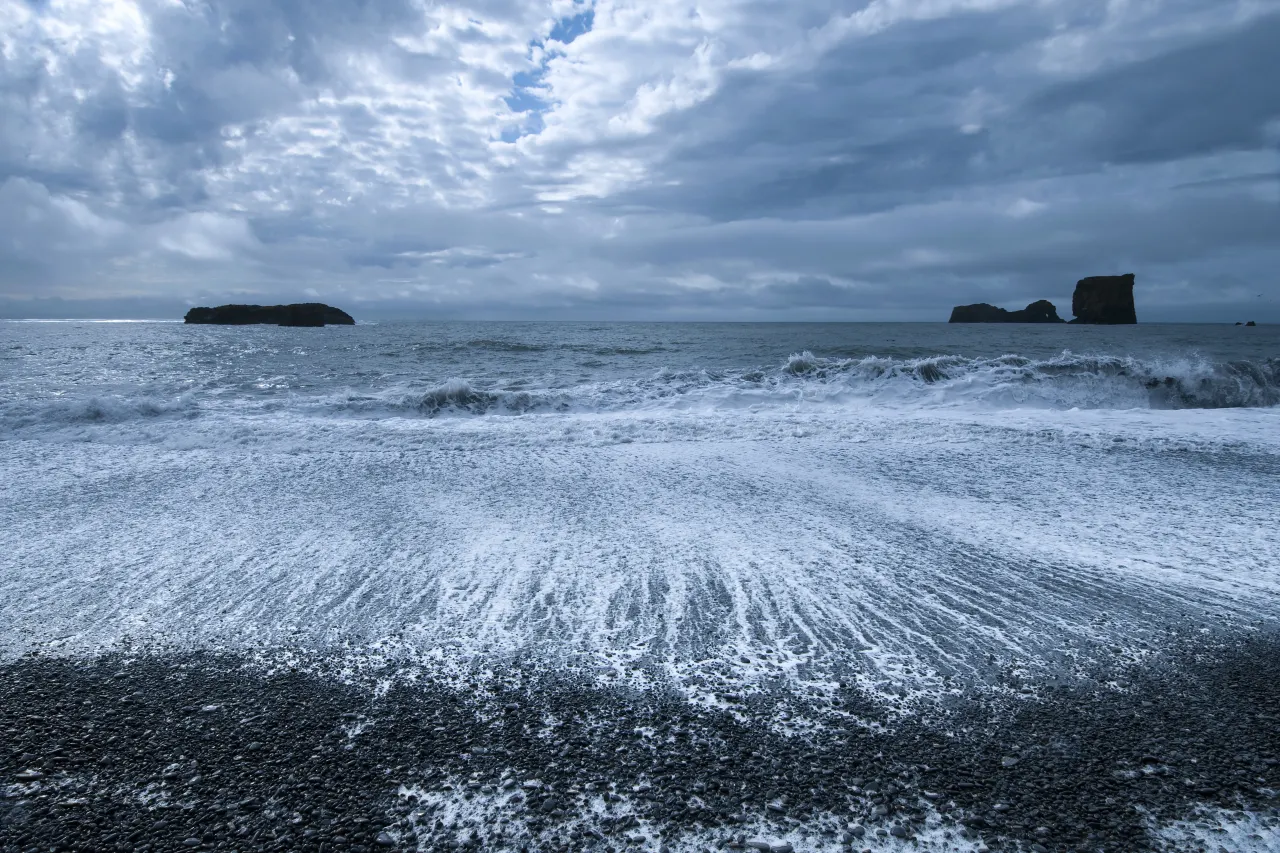
The rule that outranks everything else: when the Icelandic Met Office issues orange or red wind warnings, do not drive. Not “drive carefully” — do not drive. Roads close, tours cancel, and the locals stay home; the storm passes in hours or a day, and the itinerary rearranges around it. Wind also drives the wind-chill factor, which turns a mild reading into a raw one in minutes, especially on coasts and ridgelines where there is nothing to slow the air down.
Reading the forecast: colours, apps & aurora
The official system on en.vedur.is is colour-coded and refreshingly blunt. Green means no warning issued — go about your day. Yellow warns of hazardous conditions: expect disruption, secure belongings, drive with care. Orange is severe weather: travel is discouraged, roads may close, and tours cancel. Red is dangerous — stay put, because the wind is strong enough to damage property and put people at risk. Learn the colours once and the whole island’s decision-making becomes readable at a glance.
Make the two official checks a daily habit: the Veður app (or en.vedur.is) for weather and warnings, and road.is for road status, which reacts fast to wind and storm closures. For aurora hunters, the same site carries the aurora forecast tab — you need clear skies first and magnetic activity second, and the site’s cloud-cover map matters more than any KP-index number alone; a KP-5 night under a cloud deck produces nothing, while a KP-2 night in a clear gap produces the trip.
Temperature & daylight by season
The thermometer is gentler than the latitude suggests: summer days typically run 10–15°C, winter hovers around 0°C, give or take — the shock is usually the wind chill, not the cold itself. Daylight is the bigger planner: June delivers the midnight sun with effectively 24 hours of light, while December shrinks to roughly 4–5 hours of soft blue daylight in Reykjavik. Storms stack from September through May, with the fiercest months in winter — and the seasons between carry their own specialties, from aurora season to puffin summer.
| Stagione | Daylight (Reykjavik) | Typical temps | Planning note |
|---|---|---|---|
| Summer (Jun–Aug) | Up to 24 h | 10–15°C days | Highlands open; book early; wind still rules |
| Winter (Nov–Mar) | ~4–6 h; December darkest | ~0°C, give or take | Aurora season; storms close roads — check twice daily |
| Shoulders (Apr–May, Sep–Oct) | Long and shrinking or growing | Cool, changeable | Best value; most changeable mix in one day |
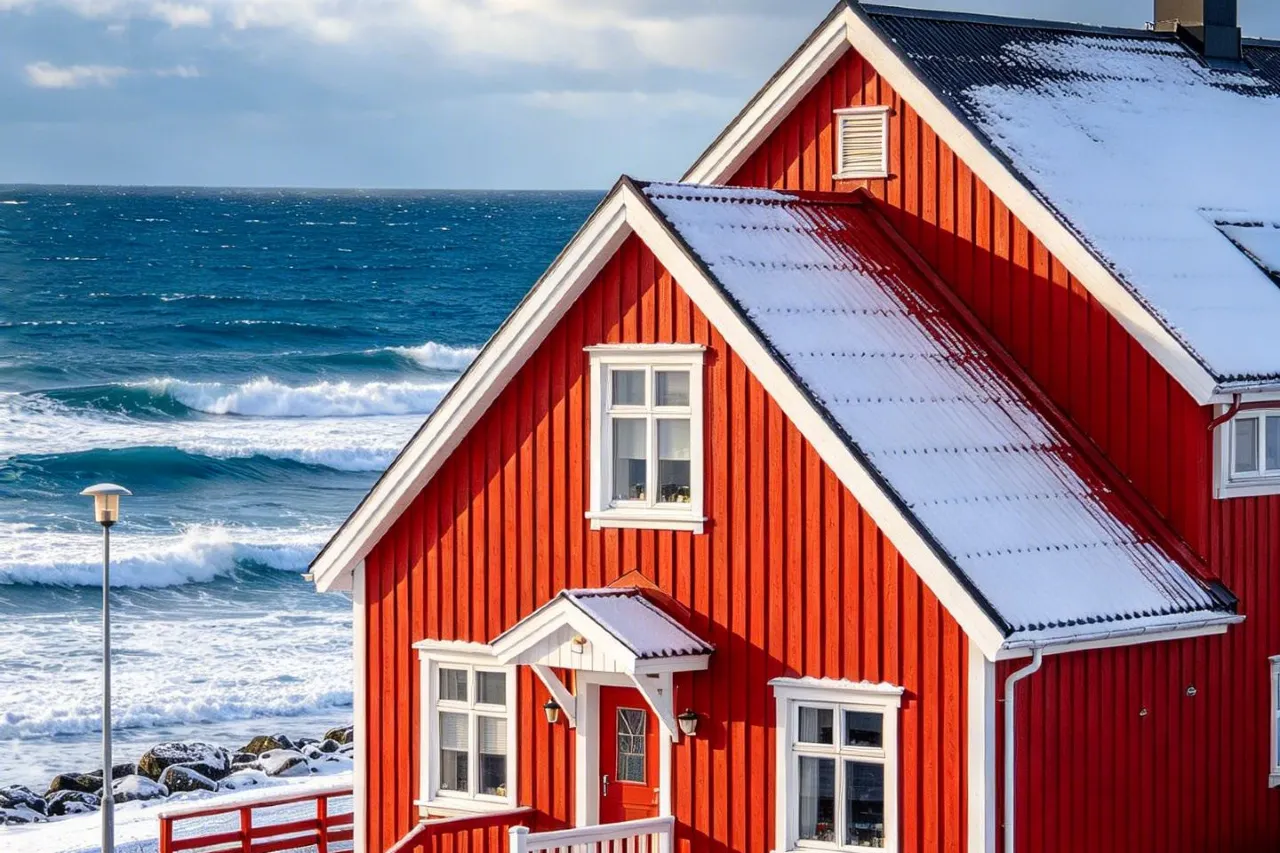
Winter rewards those who plan around the short window: one outdoor activity per daylight block, indoor anchors for the dark hours, and aurora chances after dinner. Summer rewards the opposite — long loops and late-evening hikes under a sun that barely dips. Our midnight sun guide unpacks the bright season fully; winter is a different sport entirely, with a dedicated planning guide of its own.
Microclimates: south, north & fog country
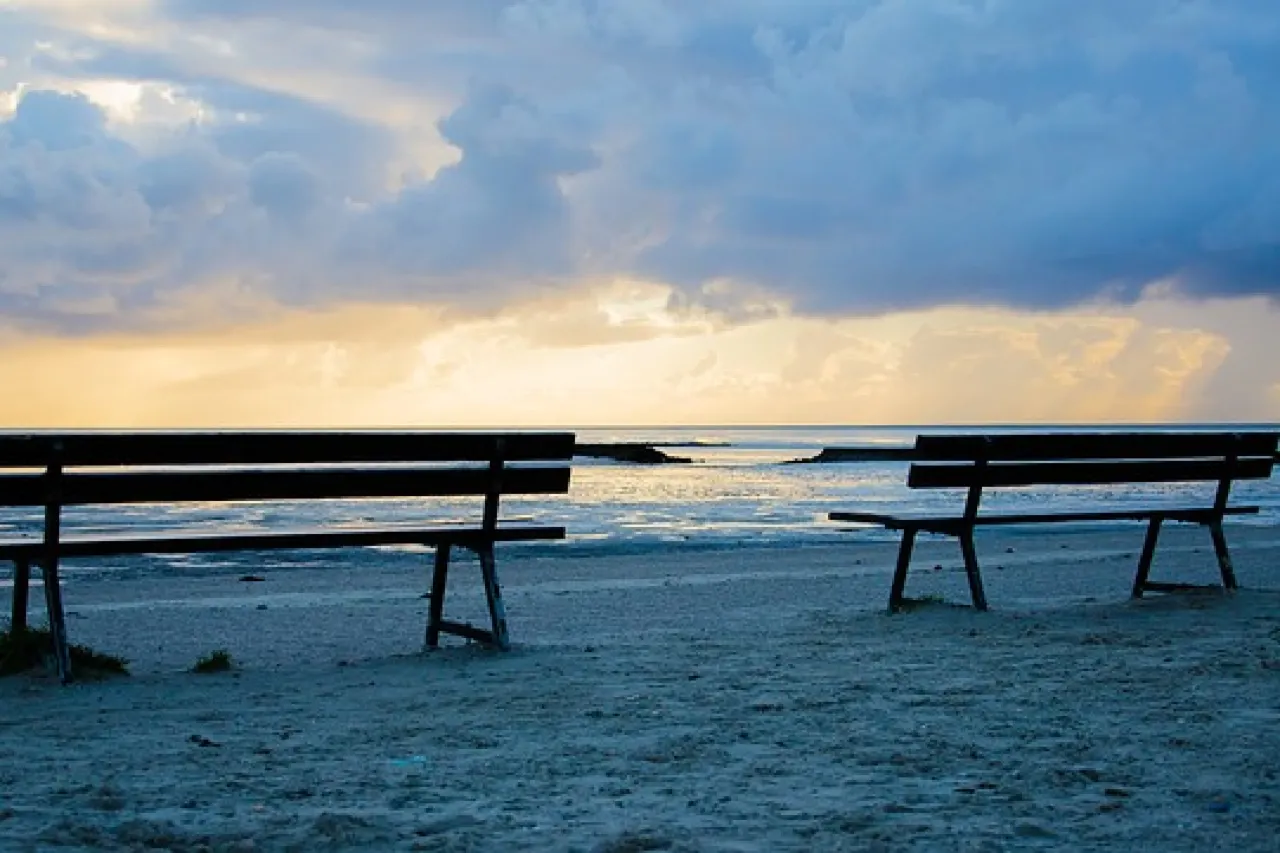
Iceland is small, but it does not share weather evenly. The south coast — the famous waterfall-and-black-sand corridor — catches the Atlantic lows first and is measurably wetter and windier; the north sits in the mountains’ rain shadow and often runs drier and calmer while the south drowns. Travelers who learn this gain a genuine planning weapon: when the south forecast turns grey, the north, the east or the Snæfellsnes coast frequently offers the clear window you need.
Fog is the stealth variable, especially on peninsulas and headlands where warm sea air meets cold currents — it can erase a lighthouse, a puffin cliff or an entire afternoon in minutes, and it lifts just as suddenly. The habit that pays: treat each region’s forecast separately rather than reading the capital’s weather as the country’s, and keep the itinerary two-dimensional — one plan for the sun, one for the shadow.
Dressing for it: the layer system
The layer system is the national dress code, and it works: a wicking thermal base, an insulating mid-layer (wool or fleece), and a windproof, waterproof shell on top. The shell matters more than the coat — a thin, genuinely windproof jacket beats a thick but porous parka in a gust, because the wind, not the cold, is what gets through. Add a warm hat, gloves and a buff for any month, because hands and ears surrender first when the gusts arrive.
Two habits finish the system. First, waterproof trousers — a rarity in tourist backpacks, a constant in local ones — turn a wet hike from miserable to routine. Second, manage layers actively: add before you stop, shed before you sweat, and treat the car boot as your wardrobe. The full kit list, month by month, lives in our packing guide.
The safe-planning playbook
Local planning is a rhythm, not a talent, and you can copy it wholesale. Morning: check en.vedur.is and road.is over breakfast and assign the day’s must-do to the calmest window. Structure: one anchor activity per day — a big hike, a glacier walk, a long drive — and let everything else flex around it. Backups: keep a mental list of indoor anchors for each region, from Perlan’s museum-dome to town museums and, always, the swimming pool. Slack: one spare day per five on any itinerary, held like an emergency fund for storms.
Worth knowing: book tours and accommodation with flexible cancellation wherever the option exists. Weather-dependent plans plus rigid prepayments is the single most expensive combination on the island — flexibility is worth more than any discount.
The playbook’s genius is its honesty: Iceland never promises a postcard day, but it almost always offers a good day somewhere, for someone willing to shuffle. Visitors who adopt the rhythm stop losing days to the sky and start gaining the stories — the gale you sat out becomes the aurora you saw after, and the fog you dodged becomes the calm lake you found instead.
Frequently asked questions
How windy is too windy to drive?
When the Icelandic Met Office issues an orange or red wind warning, do not drive — roads may close and gusts genuinely push vehicles around. Yellow warnings call for care and slower speeds. The two daily checks are en.vedur.is for warnings and road.is for closures.
What do the vedur.is warning colours mean?
Green: no warning issued. Yellow: hazardous weather possible — take care and secure belongings. Orange: severe weather — travel discouraged, closures likely. Red: dangerous conditions — stay where you are. The same colour logic applies to wind, snow and other warnings.
Does it really rain all summer?
No — summer is changeable rather than grey: showers move through in waves between bright spells, and some regions run notably drier than others. The south coast catches the wettest systems; the north often stays drier under the mountains’ rain shadow.
When are the shortest and longest days?
December is the darkest, with roughly 4–5 hours of soft daylight in Reykjavik; June runs the midnight sun, with effectively 24 hours of light around the solstice. The aurora season fills the dark months from September to March, peaking around the equinoxes.
Where do I check the aurora forecast?
The aurora tab on en.vedur.is — clear skies first, magnetic activity second. The site’s cloud-cover map is the decisive layer; the KP index is a rough indicator only, and a clear gap beats a high index under cloud every single time.
Plan with the sky, not against it
The Trip Planner builds slack days and indoor backups into your route, and the winter guide shows what the dark season does best.
The risk rules stay sharp in the safety guide, and if the dark season is your window, the aurora chasing guide pairs perfectly with the forecast habits above. Season-by-season field notes live in the blog.
Sources & official references
- en.vedur.is — Icelandic Met Office: warning colour system, weather and aurora forecasts (checked 2026).
- road.is — official road status and closure information; safetravel.is — outdoor safety guidance.
- Trip.com Iceland destination guide (checked 2026): seasonal temperatures, daylight patterns and planning recommendations.
- Editorial visits across all seasons 2024–2026 by the Iceland Travel Guides team.
