


 01
Reykjavik & the Capital Area
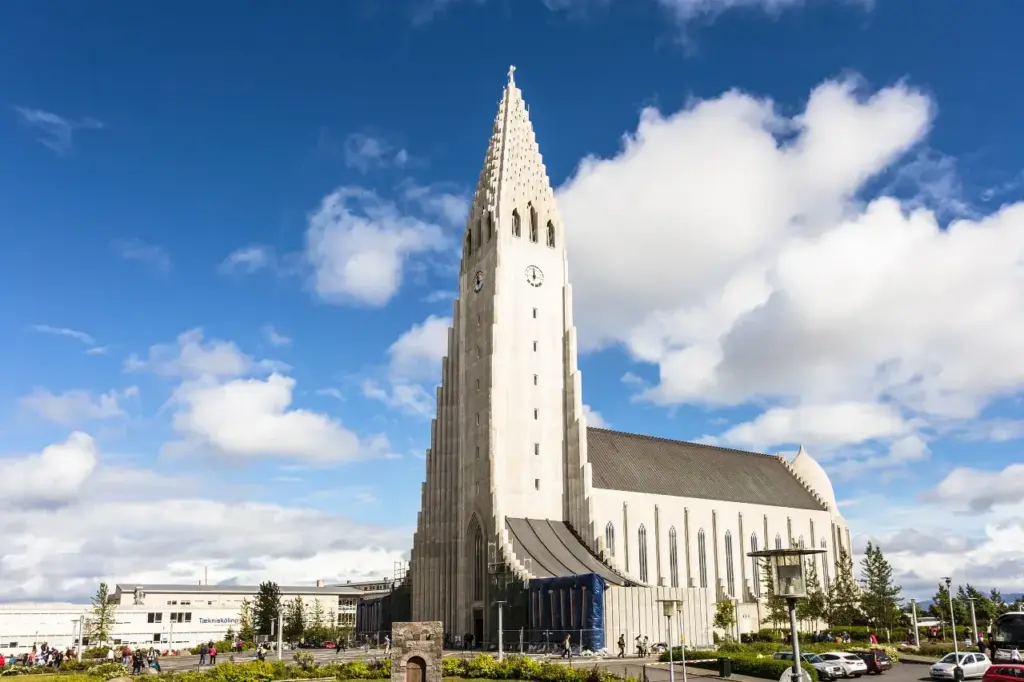
Hallgrímskirkja, Harpa, Sky Lagoon and the world's northernmost capital — most trips start (and should linger) here.
Read the guides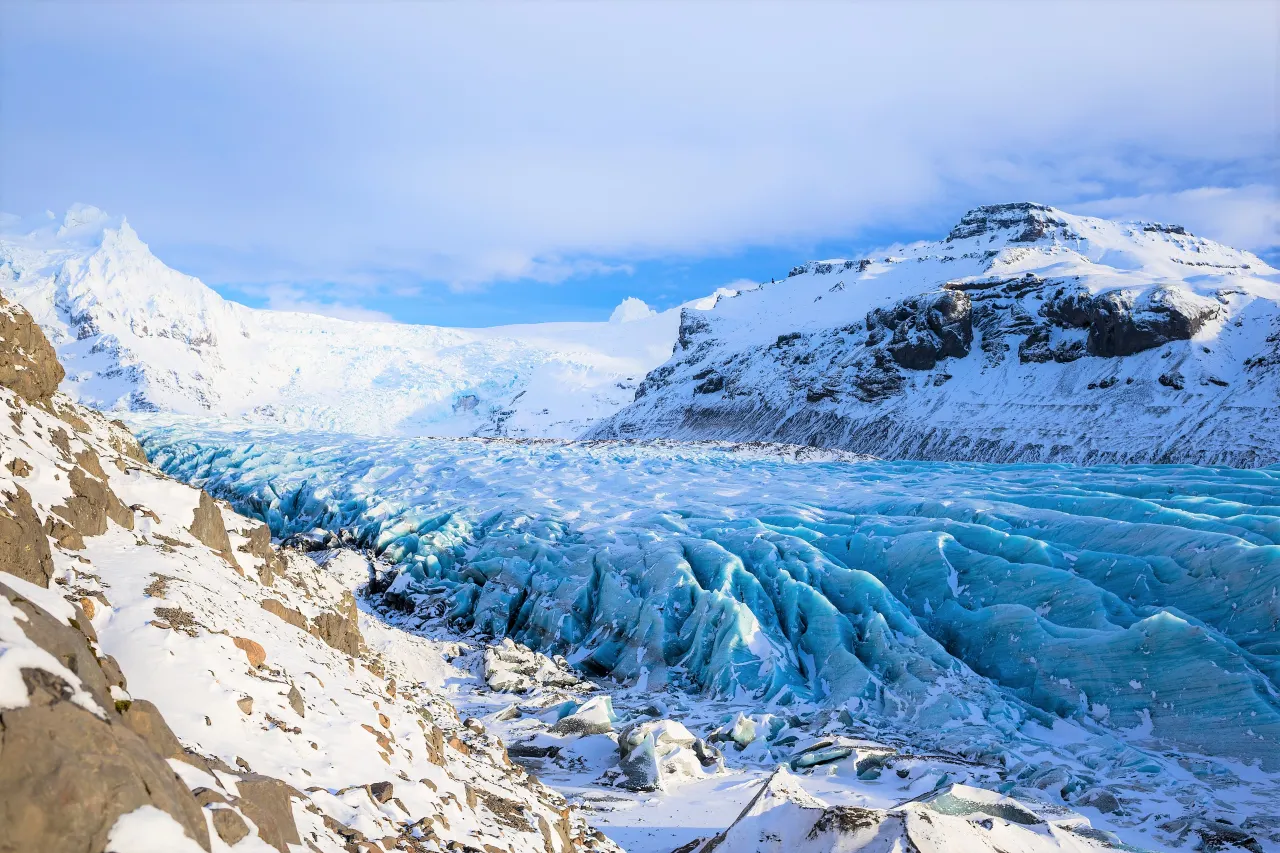
Iceland · 64°N — the land of fire and ice
Volcanoes under glaciers, waterfalls you can walk behind, hot springs under the midnight sun and an aurora season that turns every clear night into a lottery ticket. These guides pack the practical facts — seasons, roads, safety, budgets — so your trip runs on wonder, not surprises.
Welcome to the land of fire and ice
Iceland compresses a planet's worth of raw geography into a single island just below the Arctic Circle: glaciers the size of countries, geothermal valleys that steam like kettles, black-sand coasts stacked with basalt columns, and green highlands carved by three glaciers at once. Norse settlers arrived in the 9th century, the world's first parliament met at Þingvellir around 930 AD, and the medieval sagas are still read by children here today.
Our editorial team writes every guide the way we'd brief a friend: first-hand visits and verified traveler reports, cross-checked against official Icelandic sources, then re-checked again before publishing — so the season you pick, the road you drive and the lagoon you book are decisions made with real information.
Where to go
Iceland rewards the curious far beyond the famous trio. Start with one region or string them together — each guide below carries the practical detail.
01Hallgrímskirkja, Harpa, Sky Lagoon and the world's northernmost capital — most trips start (and should linger) here.
Read the guides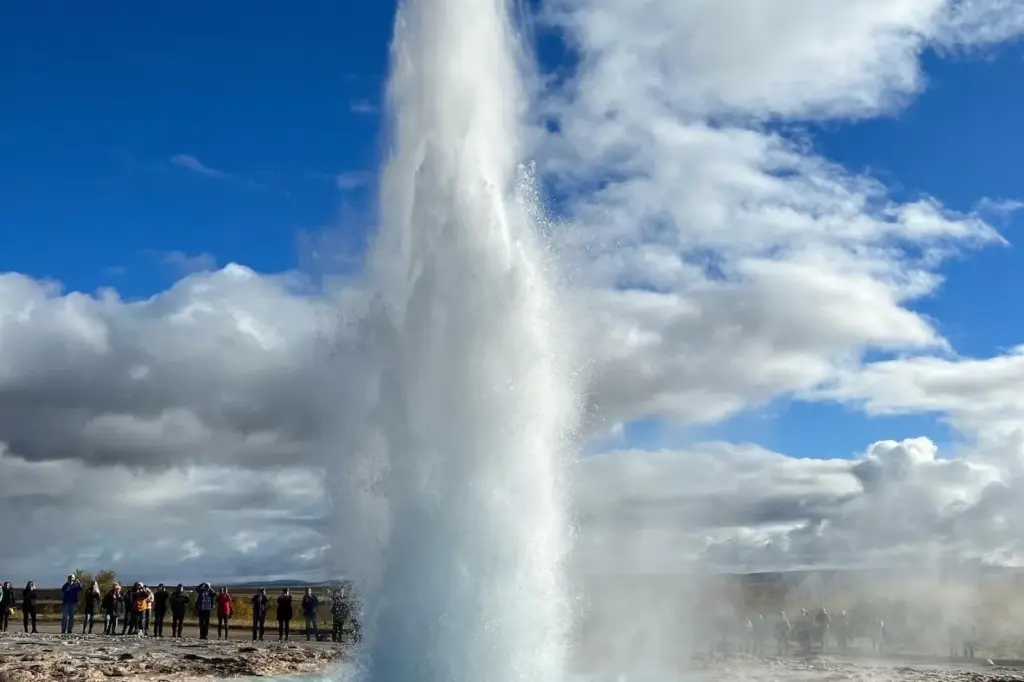 02
Þingvellir's rift valley, Strokkur's five-minute fireworks and Gullfoss's double cascade — the classic first-day loop.
Read the guides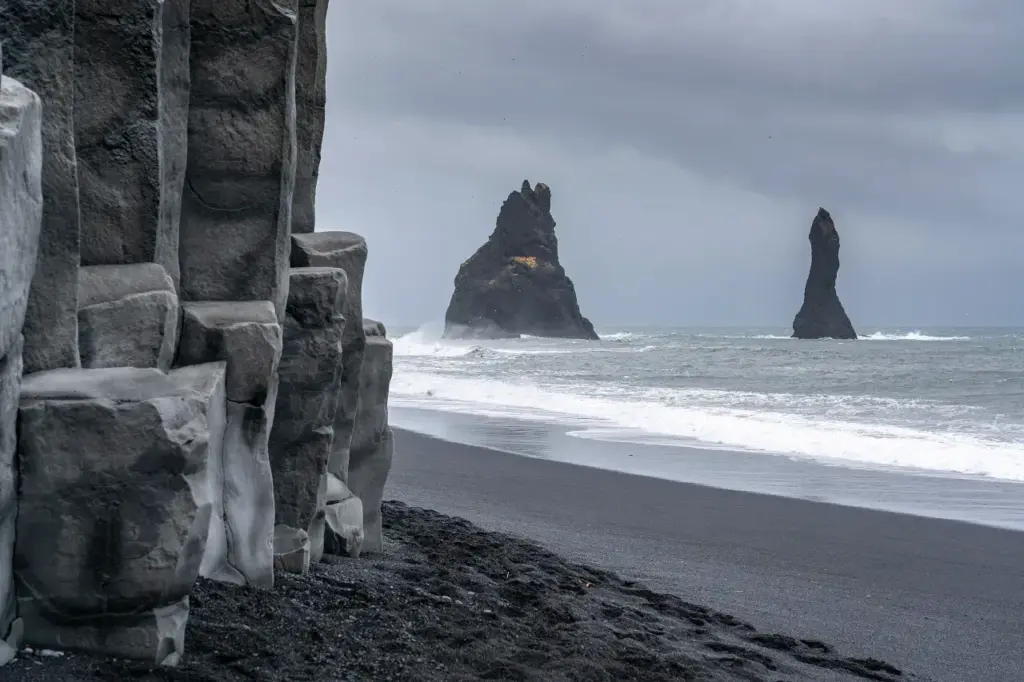 03
Seljalandsfoss, Skógafoss, Reynisfjara's basalt columns and Vík — the greatest hits within two hours of the capital.
Read the guides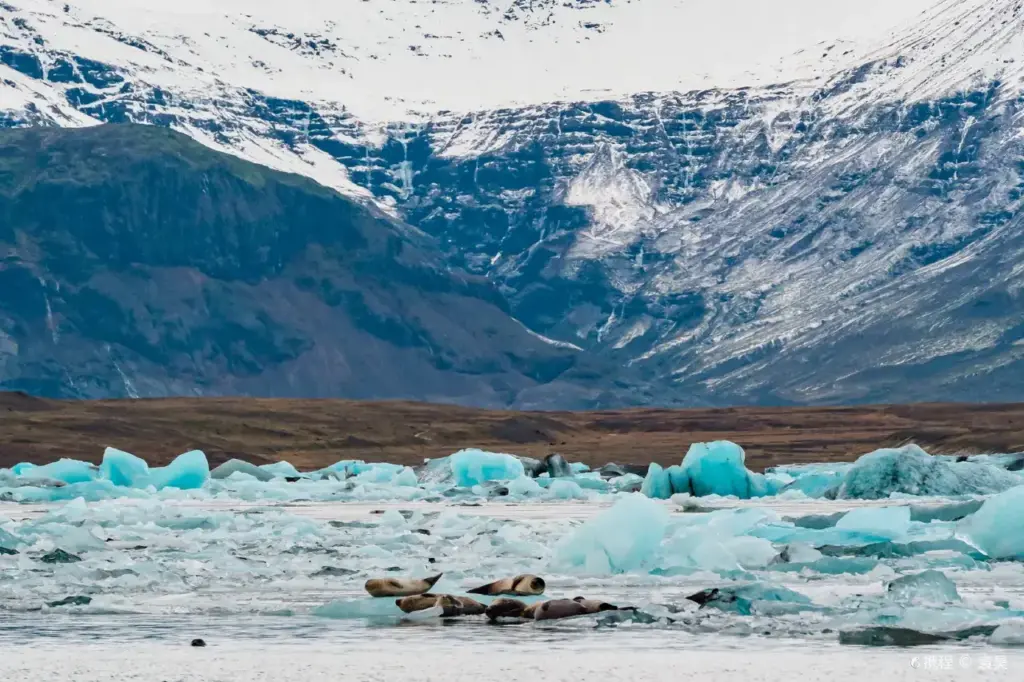 04
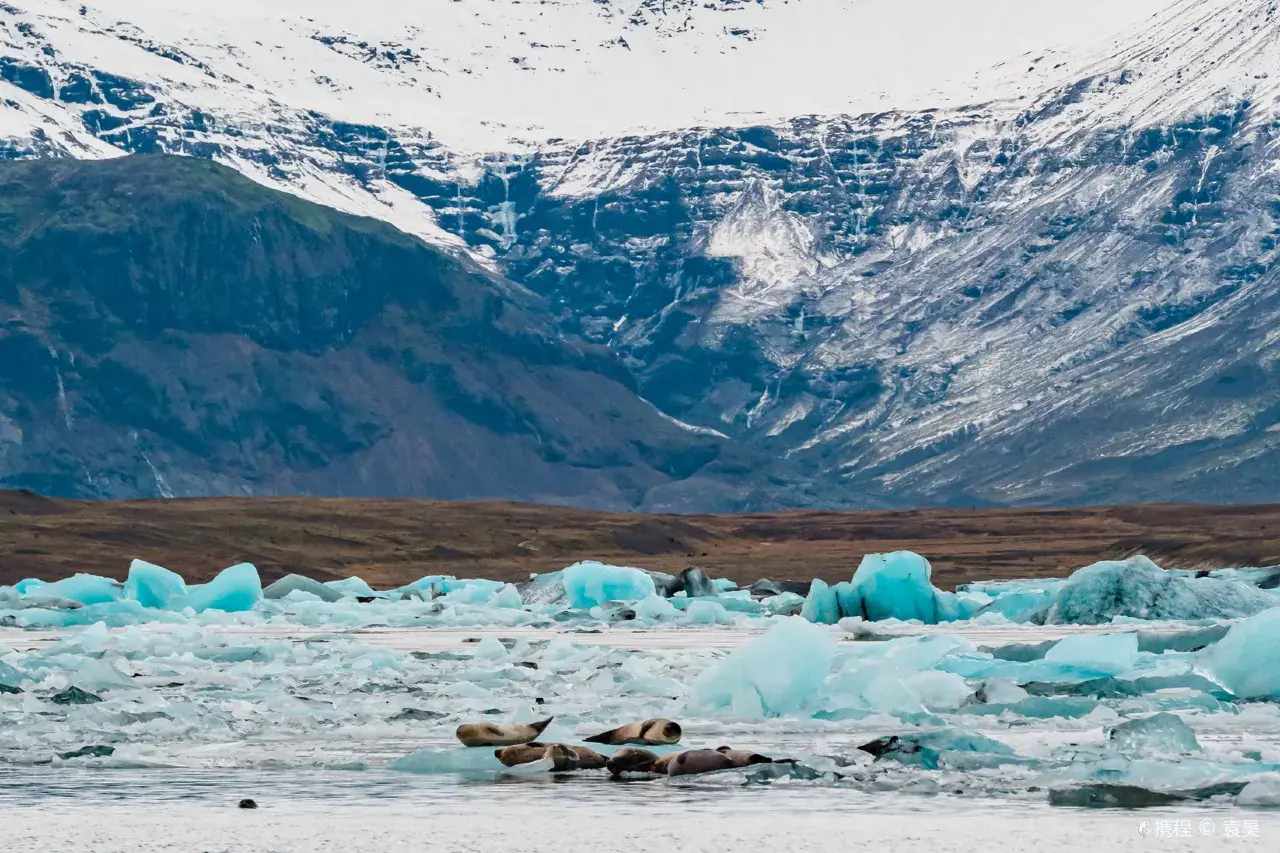
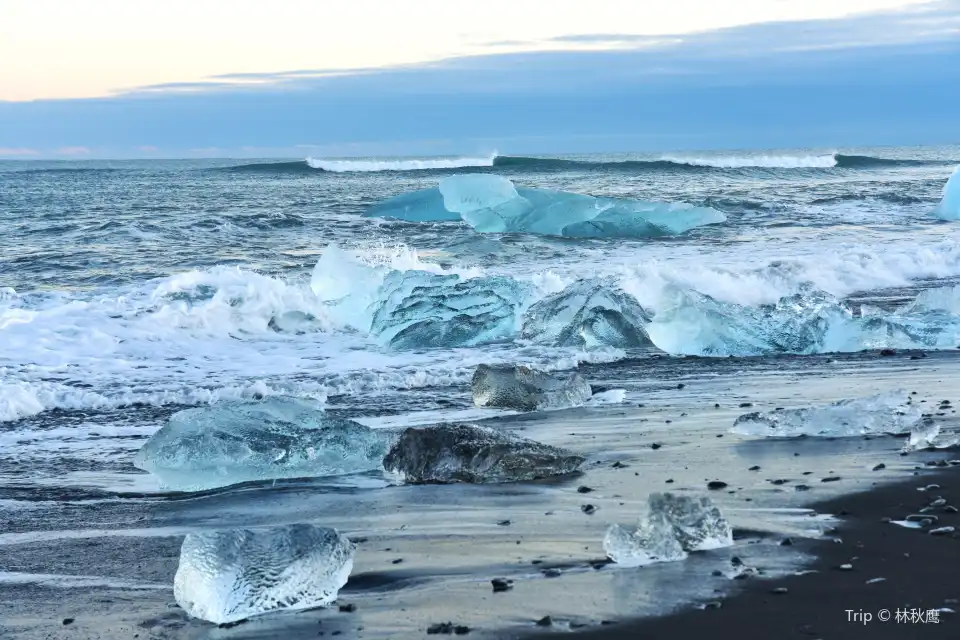
Jökulsárlón's icebergs, Diamond Beach and the ice caves of Vatnajökull — Europe's largest national park, by volume.
Read the guides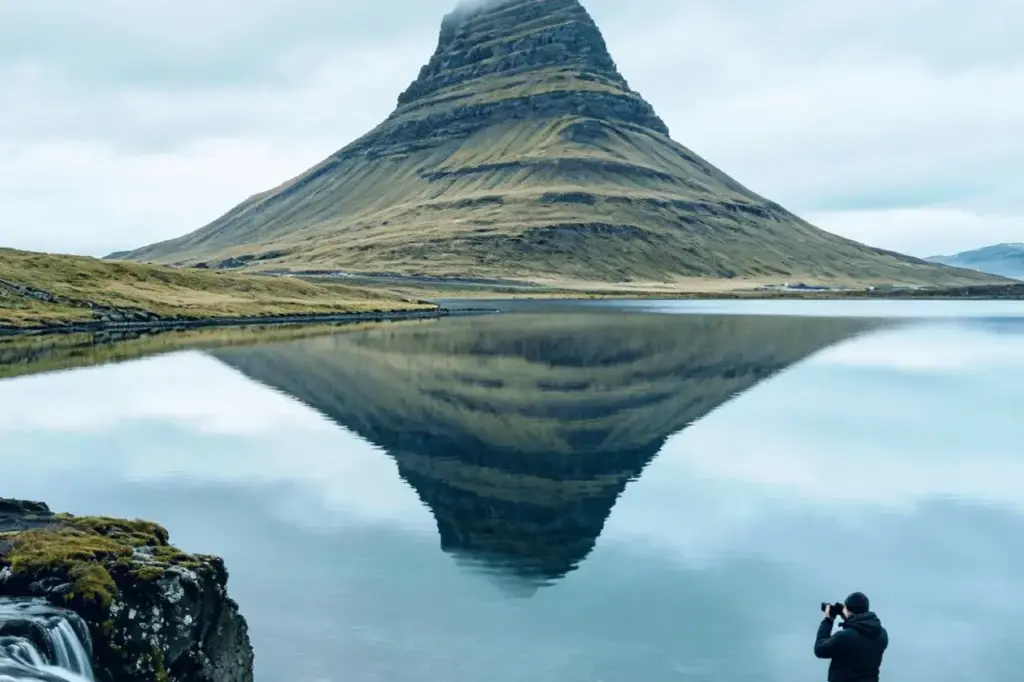 05
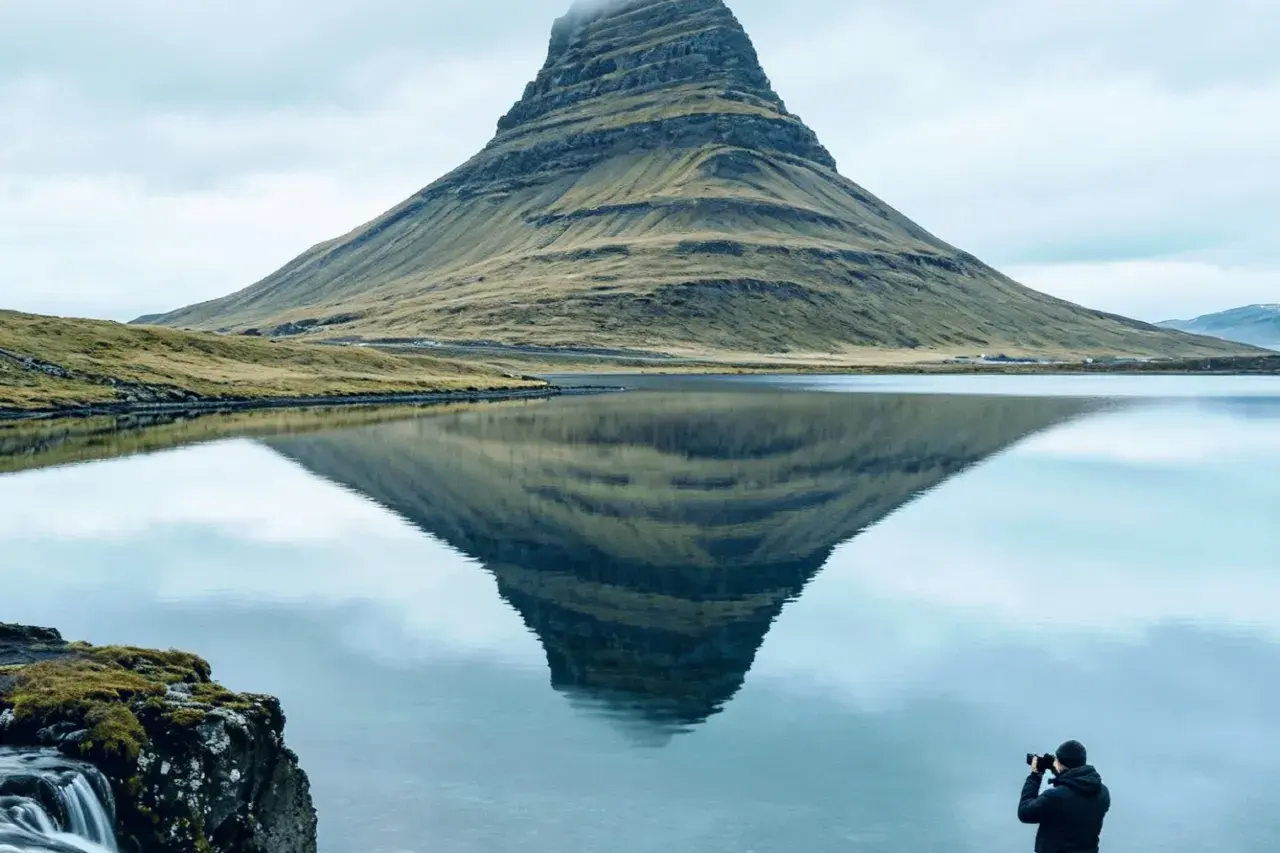
Kirkjufell, the Snæfellsjökull glacier-volcano and black-pebble coves — "Iceland in miniature" on one peninsula.
Read the guides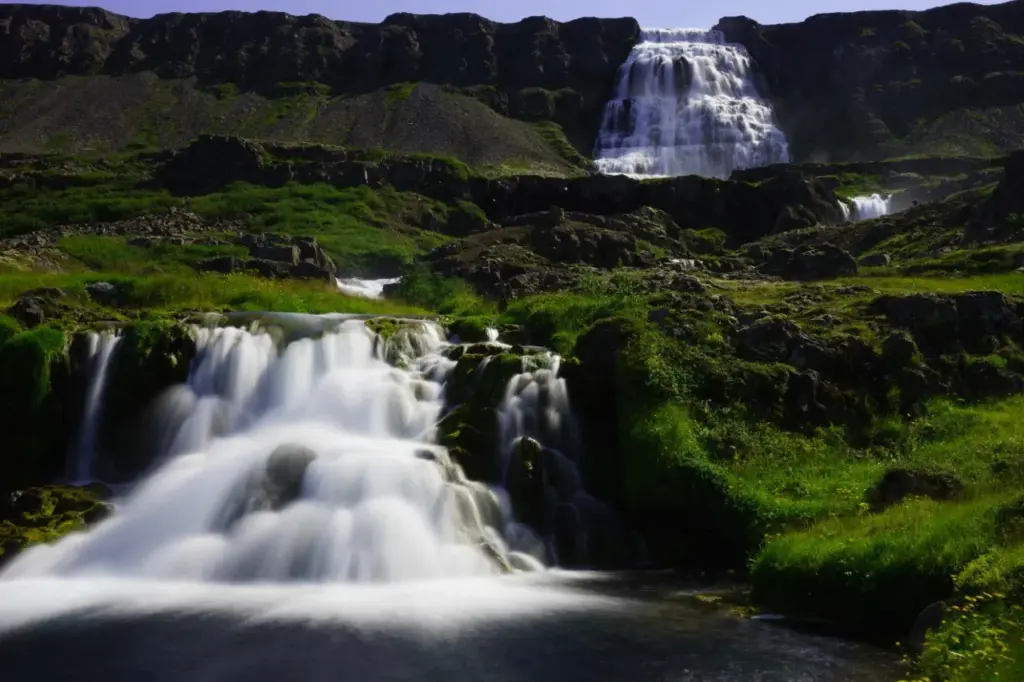 06
Dynjandi's tiered cascades, red-sand Rauðisandur and the Látrabjarg cliffs — the road less traveled, in the best sense.
Read the guides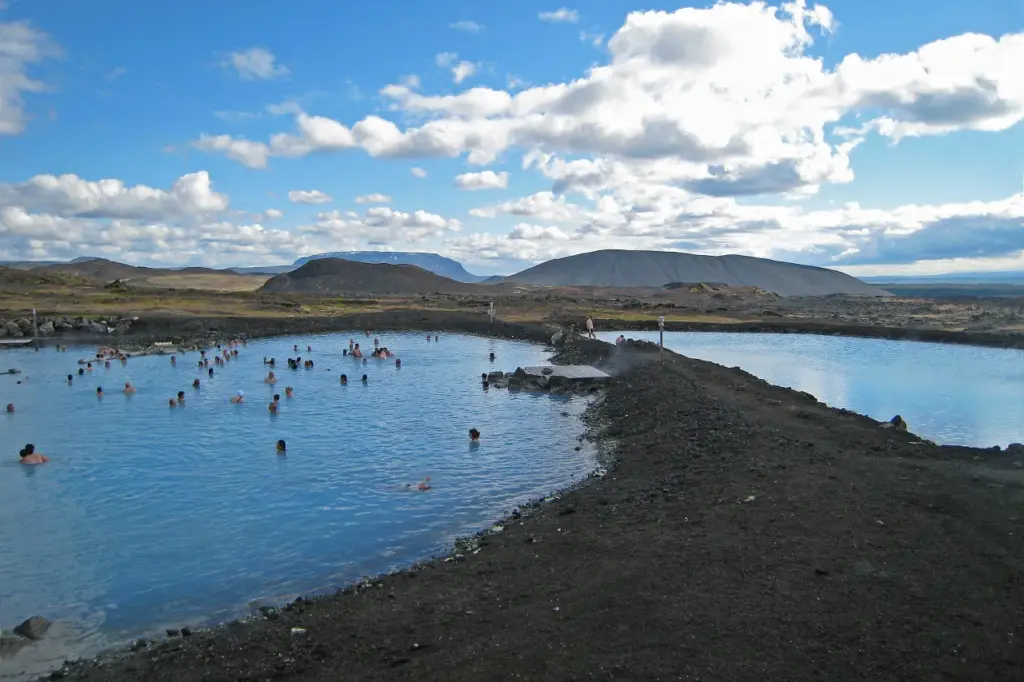 07
Akureyri, whale-watching Húsavík, Dettifoss and the steaming Mývatn geothermal area — the north rewards the drive.
Read the guides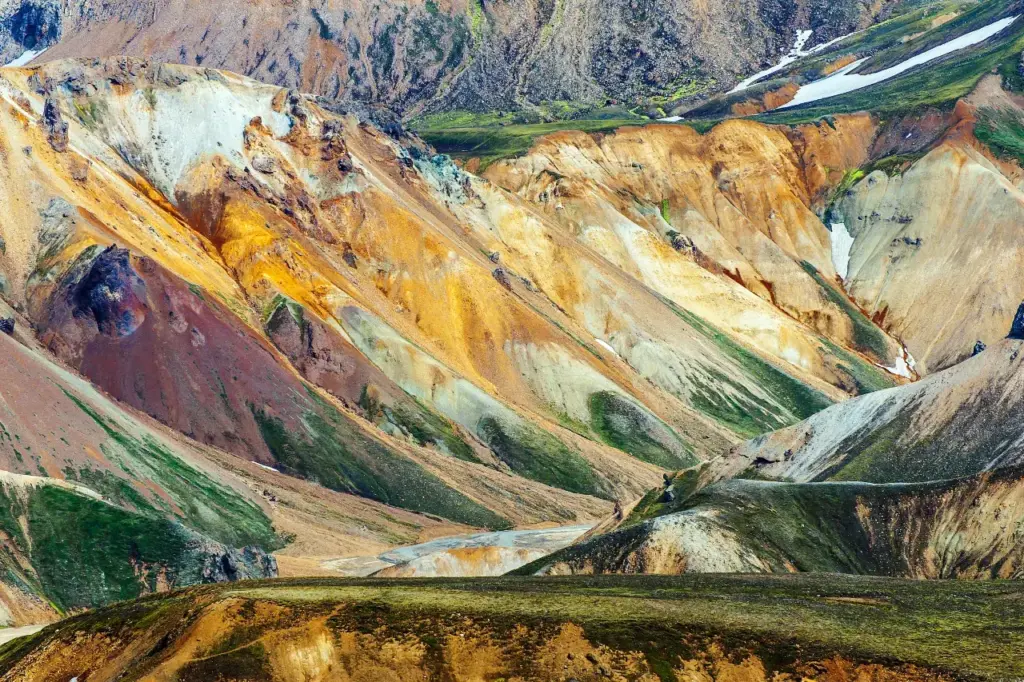 08
Landmannalaugar's rainbow rhyolite, Þórsmörk's green valley and the F-roads — summer-only, 4x4-only, unforgettable.
Read the guidesTwo Icelands
The same ring of road delivers two completely different countries. Choose by the experiences you want, not the calendar alone.
Long polar nights stage the aurora; ice caves open beneath Vatnajökull and waterfalls freeze mid-fall. Storms rewrite itineraries — plan slack days, drive with humility and watch the forecast like a local.
The midnight sun keeps trails and cameras lit past midnight; highland F-roads and mountain huts open, puffins nest, and every road on the island becomes drivable. Book rooms early — July is peak everything.
The essentials
Eight experiences define the trip — each has its own dedicated guide with booking windows, safety notes and honest expectations.
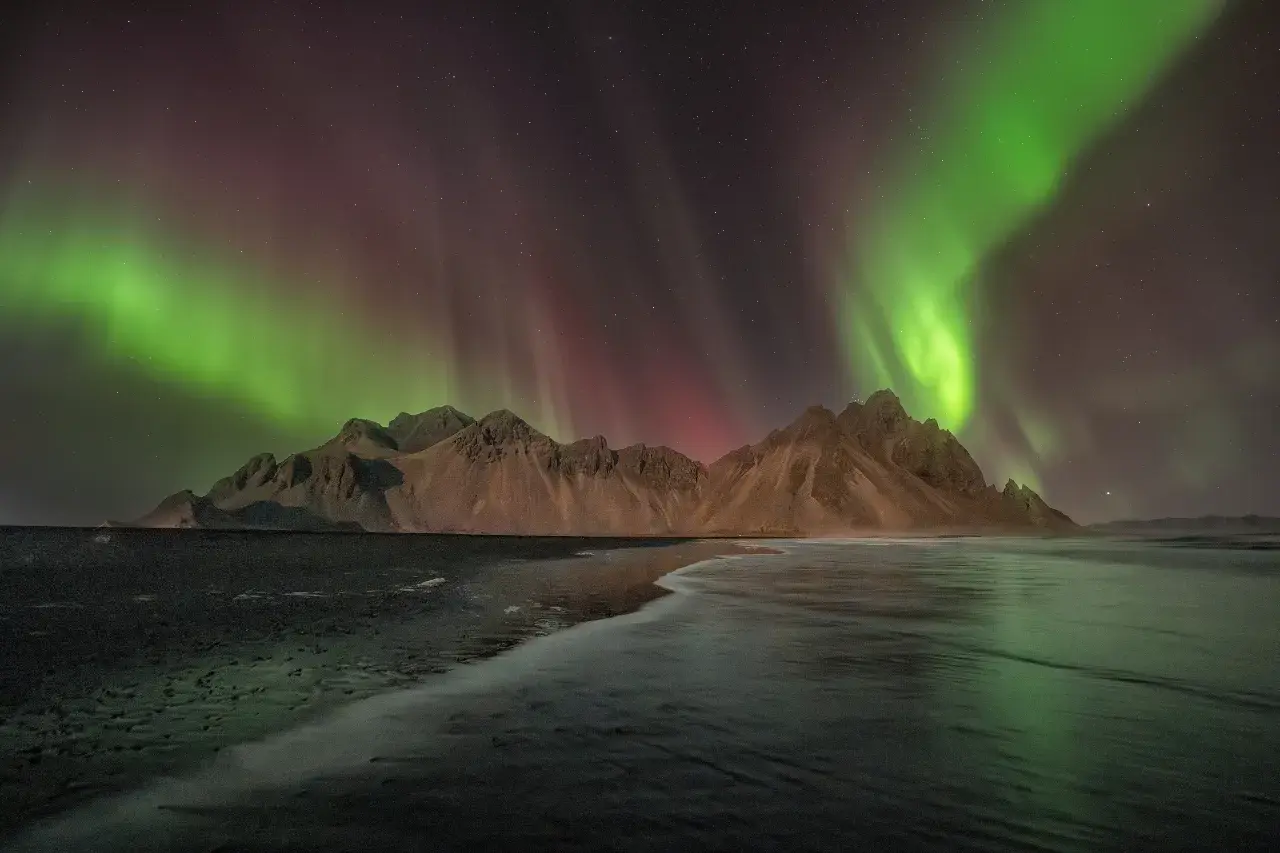
Clear, dark nights from September to March — check the forecast, escape the lights, and let the sky do the rest.
Guided hikes and blue ice caves on Vatnajökull — crampons on, crevasses left to the certified guides.
From the Blue Lagoon to secret pools — geothermal bathing is Iceland's favorite ritual, rain or snow.
Seljalandsfoss lets you walk the water curtain; Skógafoss and 10,000 more falls fill the map.
Húsavík and Reykjavik departure points — humpbacks, minke, white-beaked dolphins and the odd blue whale.
Elding lava fields, Krafla's steam vents and (on safe, official viewing terms) active eruption sites.
Summer colonies at Látrabjarg, Vestmannaeyjar and Borgarfjörður — April to early August only.
Route 1 loops 1,332 km around the island — the trip of a lifetime when planned around the weather.
Before you book
The six questions every first trip asks — answered with the facts our team verifies against official Icelandic sources.
Da settembre a marzo è la stagione dell'aurora boreale, con le probabilità che raggiungono il picco intorno agli equinozi a marzo e settembre. Da giugno ad agosto porta il sole di mezzanotte, il clima più caldo e gli altopiani aperti. Non esiste un mese brutto, solo un viaggio diverso.
Five to ten days is the sweet spot: five covers the Golden Circle, the South Coast and Reykjavik, while ten lets you drive the full Ring Road at a humane pace with room for the Westfjords or the Highlands.
Yes. The Blue Lagoon regularly sells out in peak season, and pre-booked tickets carry a one-hour arrival window. Reserve before you fly; the same applies to Sky Lagoon in summer.
It is, with humility. Storms can close roads with little warning, so check road.is and vedur.is every morning, rent a suitable 4x4 for highland F-roads (closed in winter anyway), and never drive into a warning-grade wind storm. Dial 112 for emergencies and download the 112 Iceland app.
The aurora is visible from September to March whenever the sky is clear and the KP index cooperates — it is weather-dependent and never guaranteed. Get away from city lights, check the forecast at en.vedur.is, and give yourself several nights of chances rather than one.
The currency is the Icelandic króna (ISK) and cards are accepted essentially everywhere — many travelers never touch cash. Icelandic is the official language, but English is widely spoken, and phrases like já, nei and takk earn instant smiles.
From the field
Long-form, first-hand and re-checked before publishing — start with the newest, or browse all guides.
The master ranked list of Iceland’s 39 best experiences — built from Trip.Best traveler data and our own field guides, w…
Read the guide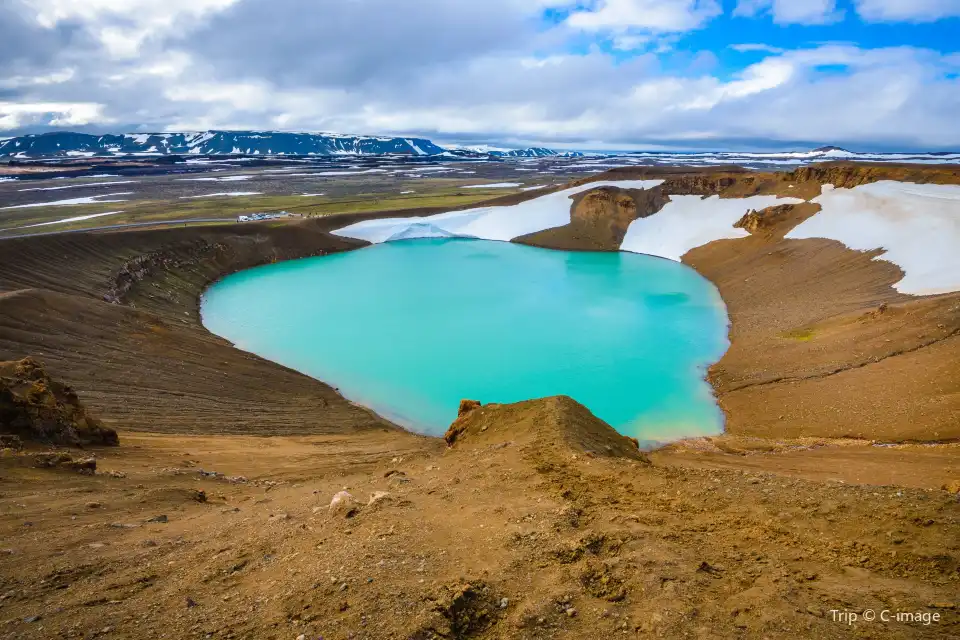
The volcano system above Mývatn: the turquoise Víti explosion crater, the Leirhnjúkur lava fields of the 1975–84 fires,…
Read the guide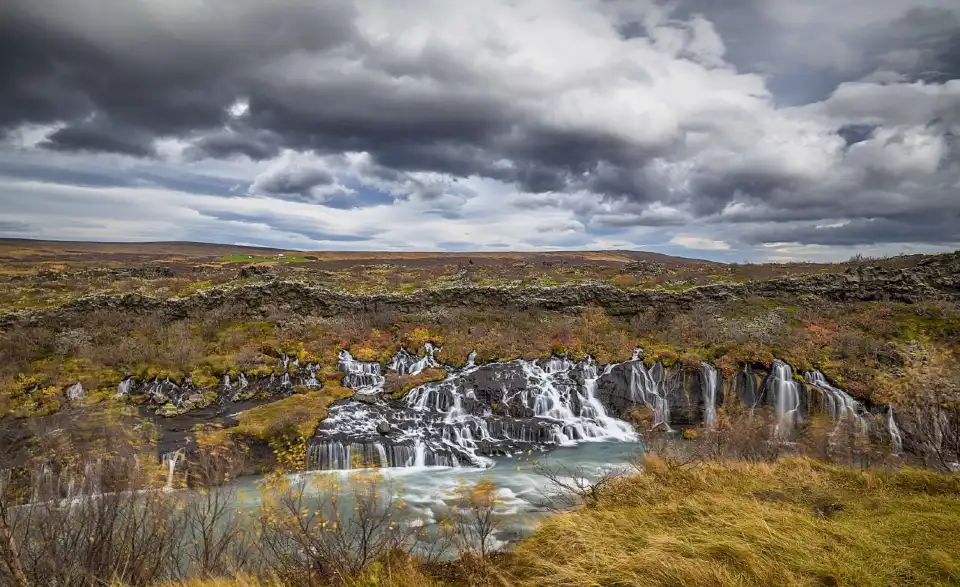
A 900-metre line of springs emerging from the Hallmundarhraun lava field into the Hvítá river: the Borgarfjörður stop, B…
Read the guide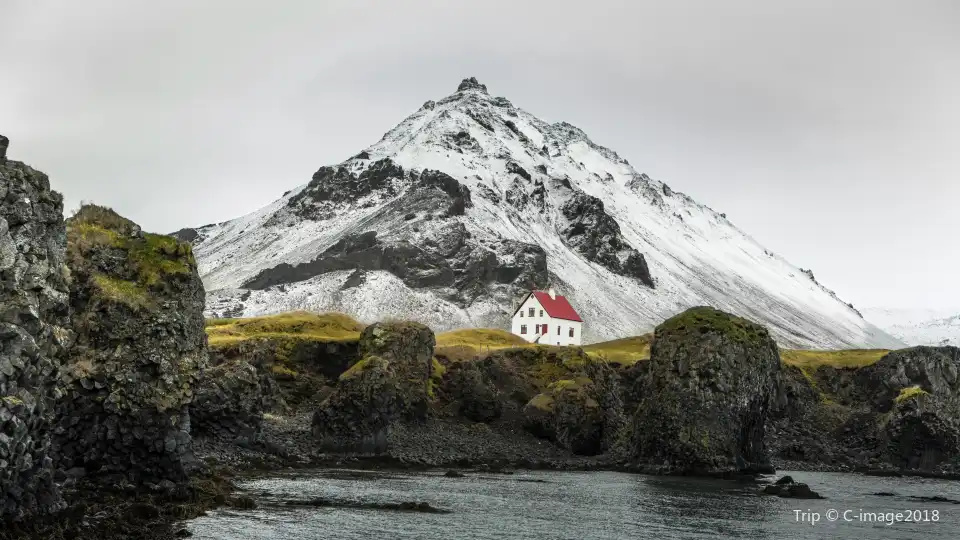
The 1,446-metre stratovolcano that launched Journey to the Centre of the Earth: the Snæfellsnes drive, Saxhóll’s view, t…
Read the guide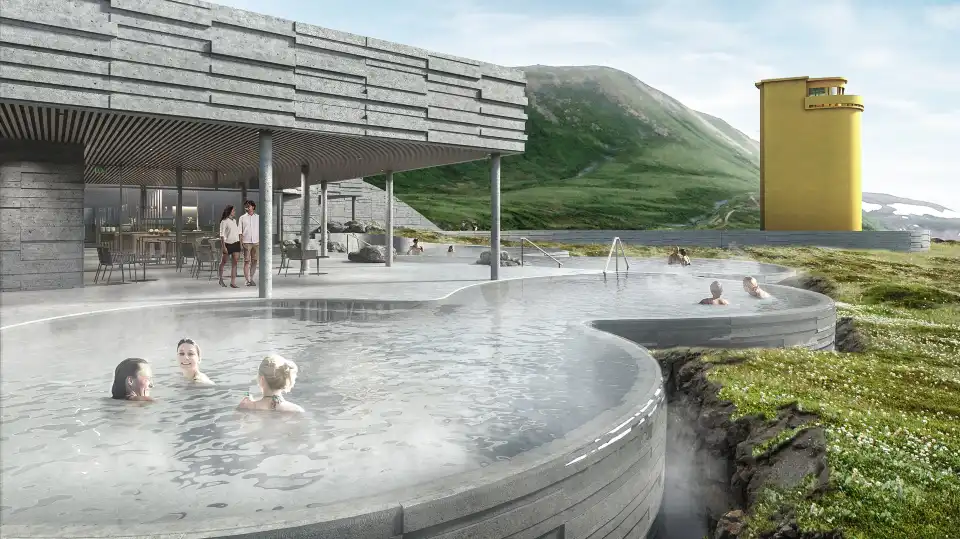
The geothermal infinity baths over Skjálfandi Bay: whale-watching from warm water, the Arctic-circle setting, hours and…
Read the guide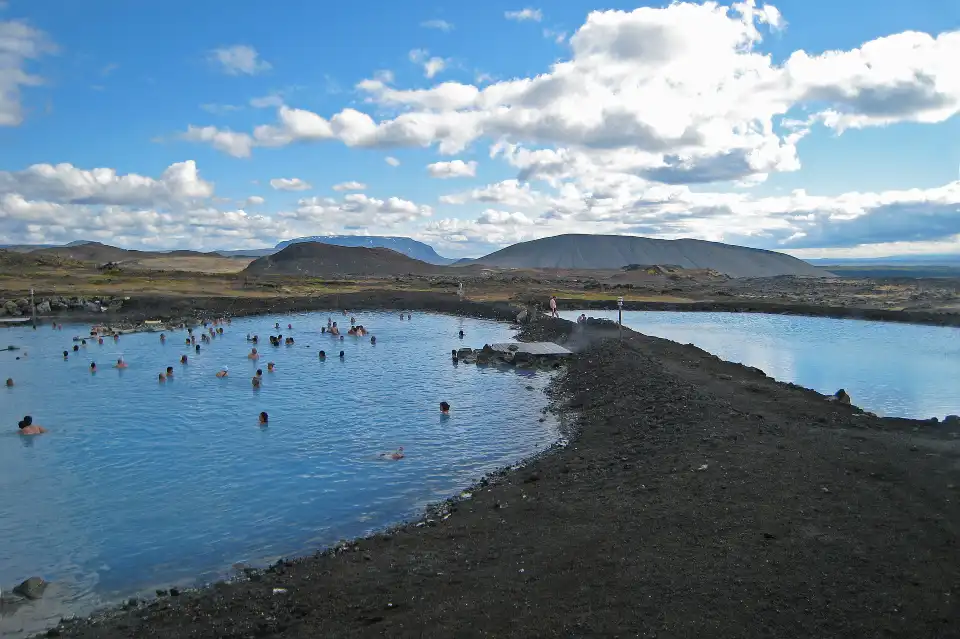
The geothermal lagoon at Mývatn: silicate-blue water at 36–40°C, the lake-and-pseudocrater setting, hours and prices, an…
Read the guideReady when you are
Seasons, budgets, routes, packing lists and the booking windows that actually matter — the Pianifica il tuo viaggio page assembles every decision in the order you'll need it, and the Travel Guide keeps the official safety links one tap away.