





Icelandic food carries the shortest menu-to-farm distance in Europe: lamb grazed on volcanic meadows, fish landed hours before service, dairy from grass-fed cows, and a baking tradition built around geothermal heat. It’s also expensive by most visitors’ standards — which makes knowing what to order (and where) the difference between a $14 lunch you remember and a $40 one you regret. Our team has eaten its way from Reykjavik’s fine-dining corners to petrol-station hot dogs and Húsavík harbour fish, and this guide is the honest map: the dishes that define the island, the restaurants actually worth your krónas, the budget tricks locals use, and the one or two “challenge foods” you can try once just to say you did.
Punti chiave
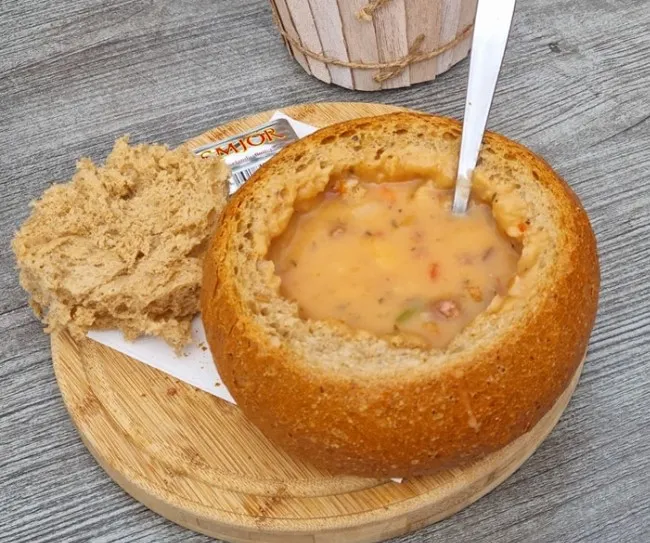
- The definitive cheap meal: lamb soup (kjötsúpa) in a rye-bread bowl — hearty, traditional and found across the capital for roughly $18–23.
- Seafood is the star: langoustine from Höfn, fresh-caught cod and haddock, and the famous fish-and-chips at the harbour’s Sea Baron.
- Try the hot dog first: the pylsur with “the works” is a national institution and the cheapest authentic meal in the country (~$5).
- Dinner math: casual mains run $25–45, fine dining $60–120 — book the big rooms in advance and use lunch menus to taste the same kitchens for less.
- Challenge foods exist: fermented shark (hákarl) and dried fish (harðfiskur) are optional badges of honour — the lamb, fish and skyr are what you’ll actually love.
Risposta rapida: spend on one great seafood dinner, save everywhere else. A fish-of-the-day plate, a bowl of lamb soup, bakery mornings and the occasional hot dog cover most days for $40–60 per person — and the coffee culture alone is worth a stop every hour of the day.
The dishes that define Iceland
Icelandic cooking is preservation cuisine turned modern comfort food. For centuries the island survived on what the sea, the sheep and the soil gave — so the classics are cured, dried, smoked and souped. The modern dining scene runs the same ingredients through Nordic technique: Arctic char with birch, lamb with rhubarb, langoustine tails in garlic butter. The through-line is quality of raw material; the island’s food identity is less about sauce and more about sourcing.
| Dish | What it is | Where to try it |
|---|---|---|
| Kjötsúpa (lamb soup) | Hearty lamb, root vegetables and herbs — the national comfort bowl | Café Loki, Svarta Kaffid, nearly every roadside café |
| Pylsur (hot dog) | Lamb-pork hot dog with fried onions, raw onion, mustard, remoulade — “eina með öllu” | Bæjarins Beztu, the harbour stand in Reykjavik |
| Fiskibollur / fish stew | Fish balls, plokkfiskur (mashed fish stew) — grandmother food, now trendy | Seabaron, old-town cafés |
| Langoustine | Höfn’s signature — sweet tails in garlic butter or on pizza | Höfn (the town literally nicknamed Lobster Town), Pakkhús |
| Rugbrauð (rye bread) | Dark, dense, slightly sweet — often baked in the ground using geothermal heat | Laugarvatn Fontana bakery demo, Braud & Co bakeries |
| Skyr | Creamy cultured dairy that predates yogurt fashion by a millennium | Every supermarket — with berries, it’s breakfast |
| Hákarl (fermented shark) | The famous challenge bite — ammonia-forward, chased with a shot of brennivín | Tourist cafés, Þorrabót winter festivals, brave restaurants |
Seafood: the reason you book that table
Iceland’s restaurants work with day-boat fish, and it shows: cod that tastes of nothing but itself, haddock in crisp crumb, Arctic char with skin like glass. The harbour district in Reykjavik has turned this into a walkable tasting route — start at Seabaron for lobster soup and fish-and-chips with a sea view, work up to Sjavargrillid for pan-seared catch with Nordic plating, and save one white-tablecloth night for Apotek or Old Iceland, where the langoustine and lamb tartare show the fine-dining ceiling.
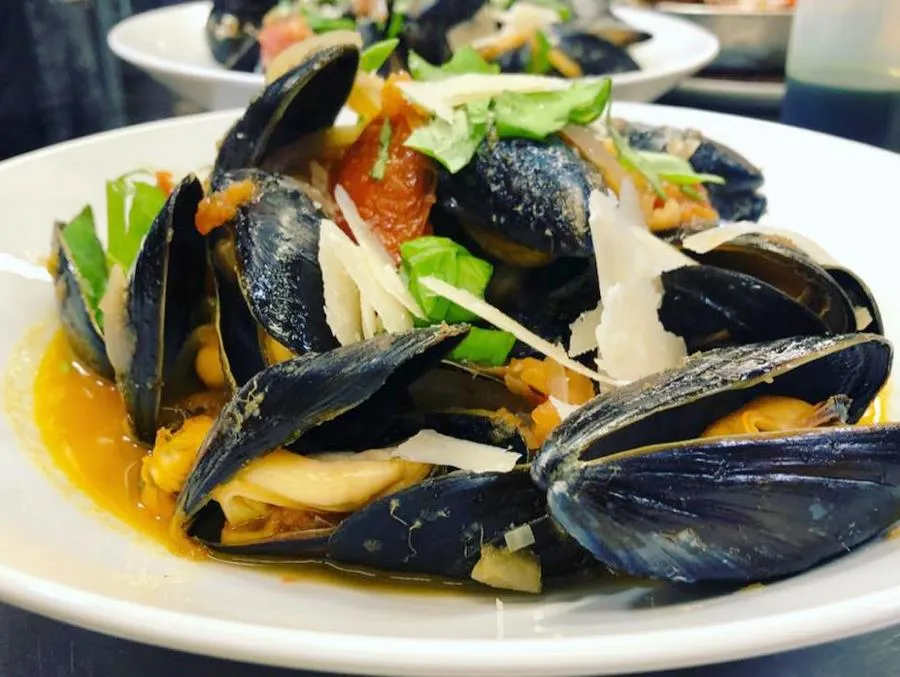
Worth knowing: the “catch of the day” board is not decoration — menus shift with the boats. If the board says plaice or catfish (steinbít), order it; those rarely leave the island otherwise.
The classics: lamb, skyr & rye bread
Icelandic lamb grazes on wild thyme, moss and grass, giving it a distinct herbal finish; a grilled lamb platter is the country-bistro order of choice. Skyr — the protein-packed cultured dairy — is the default breakfast and road-trip snack (supermarket tubs cost a fraction of restaurant desserts; buy berries and build your own). And rugbrauð, the dense rye bread, is best tasted once in its geothermal form: at Laugarvatn Fontana, loaves are buried in the hot black sand and dug up for visitors — the bakery demo doubles as a lagoon-day snack.
- Lamb platter night — order it once at a bistro like the Icelandic Bar, where the burger is also the town’s benchmark comfort plate.
- Skyr & berries breakfast — supermarket skyr, a carton of blueberries, hotel coffee: the $4 start that funds a better dinner.
- Geothermal rye — Fontana’s buried-bread demo (paired with the lakeside lagoon) or a Braud & Co loaf eaten on a harbor bench.
Eating well on a budget
The budget hierarchy in Iceland is: supermarket self-catering first (Bónus and Krónan run the cheap aisle — skyr, flatbread, smoked salmon, canned fish), hot dogs and bakery lunches second, casual sit-down third, fine dining once. A realistic split for a mid-range traveler: $40–60 per person per day mixing the tiers.
| Tier | Typical spend | What it buys |
|---|---|---|
| Supermarket / self-cater | $10–18 / day | Skyr breakfasts, sandwich lunches, one cooked dinner |
| Street & soup tier | $5–23 / meal | Pylsur, kjötsúpa bread bowls, fish-and-chips, bakery runs |
| Casual dinner | $25–45 / main | Fish of the day, lamb, pizza at Pure Deli, tapas sharing at Tapas Barinn |
| Fine dining | $60–120 / main | Tasting menus and the full seafood showcase — book ahead |
Da viaggi reali: the lunch-menu hack works everywhere — the fine-dining rooms of Austurstræti serve nearly the same kitchens at midday for a third of the price. And the petrol-station hot dog, eaten standing in the wind with a view of a glacier, is a genuine Icelandic experience, not a compromise.
Where to eat in Reykjavik (tested picks)
These are the rooms our team actually returns to, mapped to the kind of meal you need:
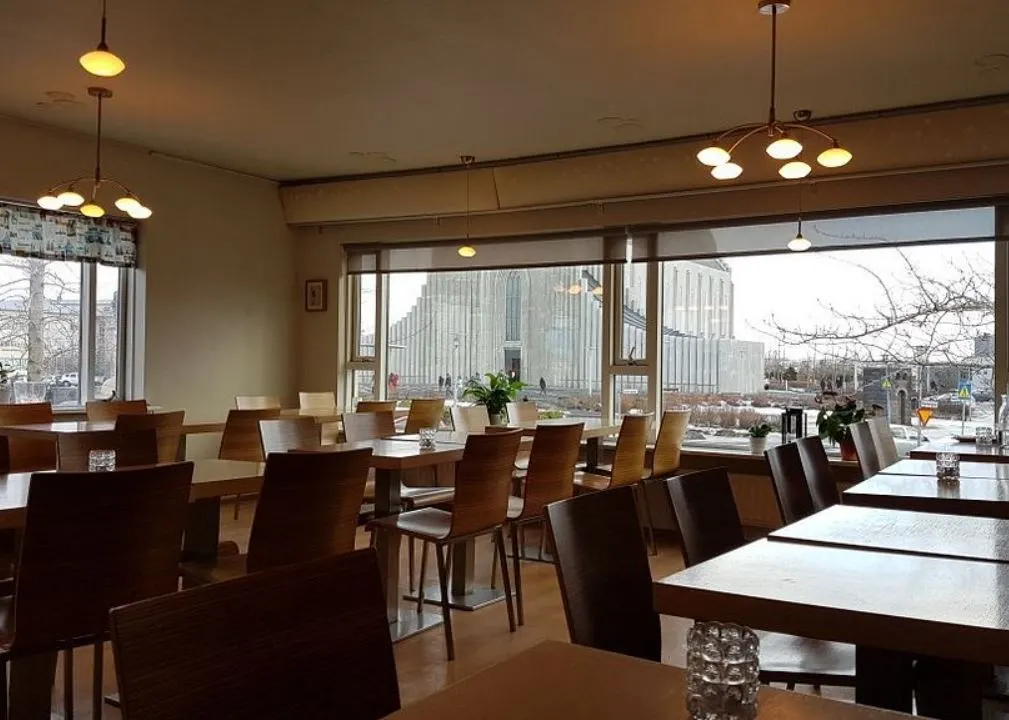
- Caffè Loki — traditional plates with the church in the window; the rye-bread ice cream is the dessert curiosity that works.
- Svarta Kaffid — the bread-bowl lamb soup benchmark; quick, warm, central on Laugavegur.
- Seabaron — lobster soup and fish-and-chips at the old harbour; bring a windproof jacket for the terrace.
- Sjavargrillid Seafood Grill — the mid-range seafood showcase; the pan-seared catch is the order.
- Old Iceland — intimate room, Icelandic mains done with care; book for weekend evenings.
- Apotek Restaurant — pharmacy-building drama, refined plates, the langoustine showpiece.
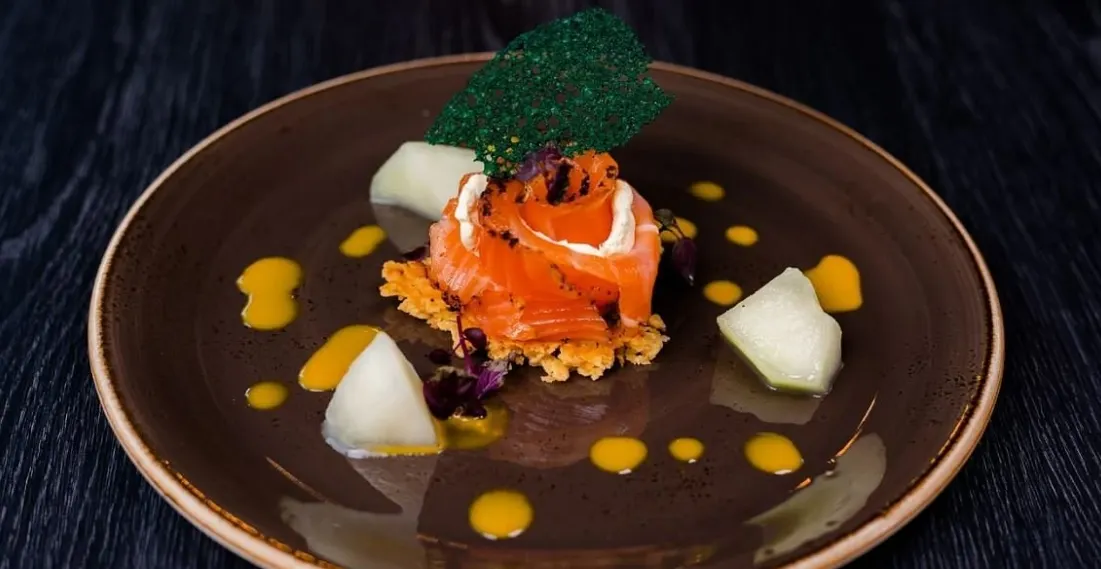
- Reykjavík Kitchen — Arctic salmon done beautifully, quieter room near Hallgrímskirkja.
- The Icelandic Bar (Íslenski Barinn) — the definitive Icelandic burger and lamb platters under one roof.
Beyond the capital
On the road, food quality tracks the fishing towns. Höfn’s langoustine is a pilgrimage (Pakkhús and Hafnarbúðin, the no-frills kiosk that locals queue at). Akureyri surprises: Stríkið plates North-Iceland fish with big-city technique, and Bláa Kannan’s crepes fuel the Goðafoss run. Stykkishólmur does mussels fresh off the Breiðafjörður boats. The pattern: harbor towns eat well, in-between petrol stations eat hot dogs — plan dinner towns, not dinner times.
The challenge foods, honestly rated
Hákarl (fermented shark): cubes of Greenland shark, buried and fermented for months. It tastes like a very old cheese with ammonia ambitions. Try it once, in company, with the traditional brennivín chaser — it’s a story you’ll retell forever. Harðfiskur (dried fish): jerky of the sea, eaten with butter — genuinely good and a hiking staple. Svið (sheep’s head) and blood pudding: the Þorrablót festival menu — wonderful as culture, optional as dinner. Nothing here is compulsory; the island’s everyday food (soup, fish, skyr, bread) is what you’ll crave on the flight home.
Drinks & the coffee culture
Iceland runs on espresso — Reykjavik’s roasteries (Reykjavik Roasters, Mokka Kaffi’s since-1958 espresso bar) punch far above the island’s size. Alcohol is state-controlled (Vínbúðin shops) and bar-priced at $11–15 a glass; the classic local move is buying duty-free at Keflavík on arrival. For the taste without the tax: try the malt-applesoda mix (a soft drink) and the birch-schnapps souvenir miniatures. Tap water is glacier-grade — refill bottles everywhere and skip bottled water entirely.
Frequently asked questions
Is vegetarian food available in Iceland?
Increasingly yes — Reykjavik has fully vegetarian rooms (the long-running Aðalstræti scene, Garden Dining) and every restaurant carries vegetable-forward mains. Outside the capital, options narrow to soup, pasta and skyr; self-catering solves rural dinners. Vegan travelers eat best in the city and from supermarkets on the road.
How much should I budget for food per day?
Realistically $40–60 per person mixing supermarket breakfasts, soup/hot-dog lunches and one casual dinner. A single fine-dining night adds $120–200 for two with a glass of wine. The packing-list economics: bring a reusable water bottle, buy skyr by the tub, and treat the hot dog as infrastructure.
Do I need to tip in Iceland?
No — service is included by law and tipping is not expected. Round up the bill or leave small change for exceptional service if you wish, but nobody is counting; the same rule applies to taxis and hotels.
What’s the deal with fermented shark?
Hákarl is the ceremonial dish — Greenland shark is toxic fresh and must ferment before eating. Modern tastings come in tiny sealed cubes at cafés and festivals. It’s a one-bite experience; nobody orders a second portion, and the brennivín chaser is part of the ritual.
Where do locals actually eat?
Bæjarins Beztu at lunch hour, harbor fish-and-chips after football, Laugardalslaug’s snack window after the pool, and their own kitchens most nights. The tourist-priced Austurstræti strip is real food but not daily local life — the supermarket aisle is the honest answer.
Hungry for the rest of the plan
Food is one line of the budget — the full worksheet lives on the Trip Planner page, and the capital’s neighborhoods get their own lodging guide.
Round out the trip with the Icelandic wool & shopping guide (the lopapeysa sweater you’ll consider buying is covered there), the Viking history & sagas guide for the culture behind the menu, and real trip reports in the blog.
Sources & official references
- Menu and price ranges from the restaurants’ own published menus (Reykjavik & regional rooms), cross-checked on Trip.com listings (checked 2026).
- Trip.com Iceland destination guide: must-try local dishes (skyr, hangikjöt, fresh seafood) and featured restaurant listings with ratings.
- Icelandic food-culture background: settlement-era preservation traditions, geothermal baking (Laugarvatn Fontana) and Þorrablót festival practices.
- VAT-inclusive pricing as displayed in-venue; all figures are indicative 2026 ranges and move with season and demand.
