









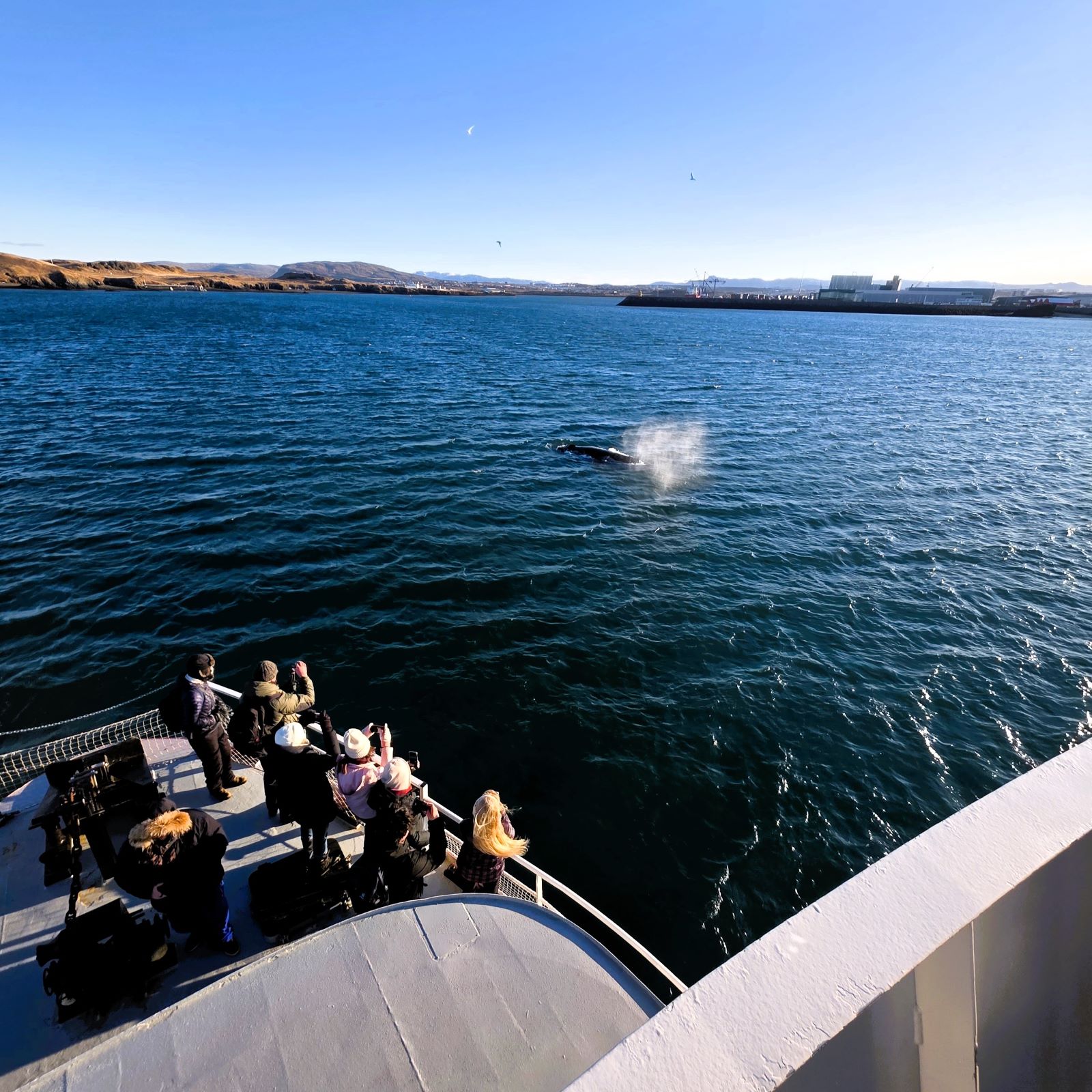
When travelers dream of things to do in Iceland, the image of majestic whales breaching in the cold North Atlantic often tops the list. Reykjavik whale watching has become one of the most popular activities for visitors to the Land of Fire and Ice, and for good reason. The waters surrounding Iceland’s capital are among the best whale-watching destinations in the world, offering incredible opportunities to see these magnificent creatures in their natural habitat.
Whether you are a wildlife enthusiast, a family traveling with children, or a solo adventurer seeking unforgettable experiences, this comprehensive guide will walk you through everything you need to know about whale watching tours from Reykjavik. From the best seasons to visit to what to pack for your excursion, we have you covered.
Why Choose Reykjavik for Whale Watching?
Iceland sits at the crossroads of the North Atlantic and Arctic Oceans, creating nutrient-rich waters that attract an incredible variety of marine life. Reykjavik, the world’s northernmost capital, serves as the perfect launching point for whale-watching expeditions.
Advantages of Reykjavik Whale Watching
Accessibility: Unlike other whale-watching destinations that require long drives or flights, Reykjavik tours depart directly from the Old Harbour, just a short walk from the city center. You can easily combine your whale-watching adventure with other Reykjavik attractions.
Year-Round Opportunities: While certain seasons are better than others, whale-watching tours operate throughout the year. This means you can plan your Iceland trip around your schedule rather than being limited to specific months.
Variety of Species: The waters around Iceland are home to over twenty species of whales and dolphins. While sightings are never guaranteed, the diversity of marine life in these waters increases your chances of an unforgettable encounter.
Professional Operators: Reykjavik has a well-established whale-watching industry with experienced crews, modern vessels, and strong commitments to sustainable tourism practices.
Combination Tours: Many operators offer combination packages that include whale watching along with other popular activities like puffin watching, northern lights tours, or city sightseeing, giving you more value for your money.
Best Time for Whale Watching in Reykjavik
Timing is crucial when planning your whale watching Iceland experience. Different seasons offer different advantages, and understanding these can help you set the right expectations for your trip.
Summer Season (June to August)
Pros:
- Peak whale activity with the highest sighting rates
- Midnight sun provides extended daylight hours for tours
- Calmer seas and more comfortable weather conditions
- Opportunity to see puffins alongside whales
- Warmest temperatures of the year
Cons:
- Most expensive season due to high demand
- Larger crowds on boats
- Need to book well in advance
Best For: First-time visitors who want the highest chance of whale sightings and don’t mind paying premium prices.
Shoulder Season (April to May, September to October)
Pros:
- Good whale sighting rates
- Fewer crowds than summer
- More affordable pricing
- Beautiful autumn or spring landscapes
- Possible northern lights sightings in late September and October
Cons:
- Weather can be more unpredictable
- Shorter daylight hours in late fall
- Some species less common than in summer
Best For: Budget-conscious travelers who still want excellent whale-watching opportunities.
Winter Season (November to March)
Pros:
- Lowest prices of the year
- Minimal crowds
- Chance to combine with northern lights tours
- Unique experience of whale watching in snow and ice
- Some species like orcas are more common in winter
Cons:
- Lowest overall sighting rates
- Cold temperatures and potentially rough seas
- Very limited daylight hours in December and January
- Some tour operators reduce schedules
Best For: Adventurous travelers on a budget who want a unique winter experience and understand the trade-offs.
Month-by-Month Breakdown
| Month | Sighting Rate | Weather | Price Level | Best Species |
|---|---|---|---|---|
| January | Moderate | Cold | Low | Orcas, Humpbacks |
| February | Moderate | Cold | Low | Humpbacks, Minkes |
| March | Good | Cool | Low-Medium | Humpbacks, Minkes |
| April | Very Good | Cool | Medium | Humpbacks, Minkes, Dolphins |
| May | Excellent | Mild | Medium-High | All species |
| June | Excellent | Mild | High | All species, Puffins |
| July | Excellent | Warm | High | All species, Puffins |
| August | Excellent | Warm | High | All species, Puffins |
| September | Very Good | Cool | Medium | Humpbacks, Minkes |
| October | Good | Cool | Medium | Humpbacks, Minkes |
| November | Moderate | Cold | Low | Humpbacks, Orcas |
| December | Moderate | Cold | Low | Humpbacks, Orcas |
Whale Species You Might Encounter
One of the most exciting aspects of Reykjavik whale watching is the incredible diversity of species that inhabit these waters. While sightings are never guaranteed, knowing what you might see adds to the anticipation and excitement of your tour.
Minke Whales
Frequency: Very Common
Description: Minke whales are the most frequently spotted whales on Reykjavik tours. These baleen whales typically grow to 7-10 meters in length and are known for their curious behavior. They often approach boats and can be seen surfacing regularly.
Best Time: Year-round, with peak sightings in summer months.
Identification Tips: Look for a small, pointed dorsal fin and a distinctive white band on the flippers.
Humpback Whales
Frequency: Common
Description: Humpbacks are the crowd favorites. These magnificent creatures can reach 12-16 meters in length and are famous for their acrobatic displays, including breaching, tail slapping, and flipper slapping. Their long pectoral fins and knobbly heads make them unmistakable.
Best Time: April through October, with peak season in June and July.
Identification Tips: Look for the distinctive long flippers, knobbly head, and the tall, curved dorsal fin that appears just before they dive.
Orcas (Killer Whales)
Frequency: Seasonal
Description: Despite their name, orcas are actually the largest members of the dolphin family. These intelligent predators travel in pods and are known for their striking black and white coloring. Seeing orcas is considered a special treat on any whale-watching tour.
Best Time: November through March, though they can be spotted year-round.
Identification Tips: Look for the tall, triangular dorsal fin (especially prominent in males) and the distinctive black and white pattern.
White-Beaked Dolphins
Frequency: Common
Description: These playful dolphins are frequently seen alongside whales. They are known for their acrobatic behavior, often jumping and riding the bow waves of boats. Their friendly nature makes them a delight to observe.
Best Time: Year-round, with higher frequencies in summer.
Identification Tips: Look for their distinctive white beak and the light gray patch behind the dorsal fin.
Harbor Porpoises
Frequency: Common
Description: The smallest cetaceans regularly seen on Reykjavik tours, harbor porpoises typically grow to about 1.5-2 meters. They are shy creatures that tend to avoid boats, but lucky observers might spot them near the surface.
Best Time: Year-round.
Identification Tips: Look for a small, triangular dorsal fin and a stocky body. They surface briefly and quietly.
Blue Whales
Frequency: Rare
Description: The largest animals on Earth, blue whales are an incredibly rare but unforgettable sight. These giants can reach 30 meters in length and weigh up to 200 tons. Seeing a blue whale is considered a once-in-a-lifetime experience.
Best Time: June through August, though sightings are never guaranteed.
Identification Tips: Look for an enormous size, a small dorsal fin set far back on the body, and a tall, column-like blow.
Other Species
Less commonly, you might also spot:
- Fin whales (second largest whale species)
- Sei whales
- Pilot whales
- Sperm whales
- Various other dolphin species
Choosing the Right Whale Watching Tour
With numerous operators offering whale watching tours from Reykjavik, selecting the right one can feel overwhelming. Here is what you need to consider when making your choice.
Tour Duration
Standard Tours (2.5 to 3.5 hours)
- Most common option
- Includes safety briefing, time on the water, and return
- Good balance of value and experience
- Suitable for most travelers
Extended Tours (4 to 5 hours)
- More time on the water increases sighting chances
- Often travel further to prime whale locations
- Better for serious wildlife enthusiasts
- May include additional amenities
Quick Tours (1.5 to 2 hours)
- Budget-friendly option
- Less time commitment
- Good for those with tight schedules
- May have lower sighting rates due to limited range
Vessel Types
Large Boats (50+ passengers)
- More stable in rough seas
- Multiple viewing decks
- Indoor heated cabins
- Full restroom facilities
- Better for those prone to seasickness
- Less intimate experience
Medium Boats (20-50 passengers)
- Good balance of stability and intimacy
- Multiple viewing areas
- Some indoor space
- Moderate price point
- Suitable for most travelers
Small Boats (Under 20 passengers)
- More intimate experience
- Closer to the water for better viewing
- Faster to reach whale locations
- More affected by rough seas
- Higher price per person
- Better for photography enthusiasts
RIB (Rigid Inflatable Boat) Tours
- Fastest option to reach whales
- Most adventurous experience
- Closest to the water
- Not suitable for those prone to seasickness
- Weather dependent
- Best for experienced adventurers
Tour Features to Look For
Guarantee Policy: Many reputable operators offer a guarantee where you can join another tour for free if no whales are spotted on your first excursion. This is a sign of a confident, quality operator.
Naturalist Guides: Tours with knowledgeable marine biologists or naturalists provide educational value beyond just spotting whales. They can explain whale behavior, ecology, and conservation efforts.
Warm Clothing: Some tours include warm overalls or jackets as part of the ticket price. This is especially valuable in colder months and can save you money on rentals.
Refreshments: Check whether hot drinks, snacks, or meals are included. On longer tours, having access to warm beverages can significantly improve comfort.
Photography Opportunities: Some tours are designed with photographers in mind, offering better viewing angles, slower approaches to whales, and guides who understand photography needs.
Sustainability Practices: Look for operators committed to responsible whale watching, maintaining appropriate distances from whales, and supporting marine conservation efforts.
What to Expect on Your Whale Watching Tour
Knowing what to expect helps you prepare properly and makes the experience more enjoyable. Here is a typical timeline of a Reykjavik whale watching excursion.
Before Departure (30 Minutes Prior)
Check-In: Arrive at the harbor at least 30 minutes before your scheduled departure time. You will need to check in at the operator’s office to receive your boarding pass and any equipment.
Safety Briefing: Most operators conduct a brief safety presentation covering life jacket locations, emergency procedures, and basic guidelines for behavior on the boat.
Equipment Distribution: If your tour includes warm clothing, this is when you will receive your overalls, jackets, or other gear. Make sure everything fits properly before boarding.
Restroom Break: Use the harbor facilities before boarding, as boat restrooms may be limited or unavailable during the trip.
Boarding (15 Minutes Prior)
Boarding Process: Crew members will assist you in boarding the vessel. Pay attention to their instructions, especially if seas are rough.
Finding Your Spot: On larger boats, you can move around during the tour. On smaller vessels, you may be assigned a specific area. Choose a spot with good visibility and access to railings.
Storage: Store your bags in designated areas. Keep only essential items with you, such as your camera, phone, and any medication.
On the Water (2 to 3 Hours)
Departure: The boat will leave the harbor and head toward known whale feeding grounds. This journey typically takes 30 to 45 minutes.
Scanning: Crew members will constantly scan the water for signs of whale activity, including blows, splashes, or birds diving for fish.
Announcements: When whales are spotted, the crew will make announcements and provide guidance on where to look. Listen carefully and follow their directions.
Viewing: When whales are nearby, the boat will position itself for optimal viewing while maintaining responsible distances. This is your time to observe, photograph, and enjoy the experience.
Multiple Stops: Many tours visit several locations throughout the excursion to maximize sighting opportunities.
Return to Harbor
Debriefing: Some operators provide information about what species were spotted and share interesting facts about the whales you saw.
Equipment Return: Return any borrowed clothing or equipment before disembarking.
Certificates: Many tours provide whale-watching certificates noting the species spotted during your excursion. These make wonderful souvenirs.
What to Wear and Bring
Proper preparation can make the difference between an uncomfortable ordeal and an unforgettable adventure. Iceland’s weather is notoriously unpredictable, so dressing appropriately is essential.
Clothing Recommendations
Base Layer: Start with moisture-wicking thermal underwear. Avoid cotton, which retains moisture and can make you cold. Merino wool or synthetic materials work best.
Mid Layer: Wear a warm fleece or wool sweater. This layer provides insulation and can be removed if you become too warm.
Outer Layer: A waterproof and windproof jacket is essential. Even on sunny days, the combination of wind and water spray on the boat can make conditions feel much colder.
Pants: Wear warm, waterproof pants if possible. Jeans are not recommended as they become cold and heavy when wet.
Footwear: Sturdy, waterproof boots with good grip are ideal. The deck can be wet and slippery. Avoid open-toed shoes or anything that cannot get wet.
Hat and Gloves: A warm hat that covers your ears and waterproof gloves are essential, even in summer. Heat loss from your head and hands can make you feel much colder.
Scarf or Neck Gaiter: Protects your neck and face from wind and spray.
Provided Clothing
Many tour operators provide additional warm clothing as part of your ticket:
Warm Overalls: Insulated, waterproof overalls that go over your clothes. These are especially valuable in colder months.
Jackets: Heavy-duty waterproof jackets for additional warmth.
Boots: Some operators offer rubber boots for rent or included with your ticket.
Note: Even with provided clothing, dress warmly underneath. The provided gear is designed to supplement your clothing, not replace it entirely.
Essential Items to Bring
Camera: A camera with a good zoom lens is ideal for whale photography. Protect it from water spray with a waterproof case or bag.
Binoculars: Helpful for spotting whales before they come close to the boat.
Sunscreen: The sun can be surprisingly strong, especially when reflected off the water. Apply sunscreen even on cloudy days.
Sunglasses: Polarized sunglasses reduce glare from the water and help you spot whales more easily.
Motion Sickness Medication: If you are prone to seasickness, take medication before boarding. Once you feel sick, it is too late for the medication to work effectively.
Water and Snacks: While some tours provide refreshments, it is wise to bring your own water and light snacks, especially on longer tours.
Waterproof Bag: Protect your electronics and valuables from water spray with a waterproof bag or dry sack.
Cash or Card: For purchasing additional refreshments, souvenirs, or tipping the crew.
Items to Leave Behind
Valuables: Leave expensive jewelry and unnecessary valuables in your hotel safe.
Large Bags: Storage space on boats is limited. Bring only what you need.
Umbrellas: These are impractical on a boat and can be dangerous in windy conditions.
Pricing and Booking Information
Understanding the cost structure and booking process helps you budget appropriately and secure the best deals for your Reykjavik whale watching adventure.
Typical Price Ranges
| Tour Type | Adult Price | Child Price | Notes |
|---|---|---|---|
| Standard Tour | $80-$120 | $40-$60 | Most common option |
| Premium Tour | $130-$180 | $65-$90 | Includes meals, better gear |
| RIB Adventure | $150-$200 | $75-$100 | Small group, adventurous |
| Private Tour | $500-$1000+ | N/A | Customized experience |
| Combination Tour | $150-$250 | $75-$125 | Whale watching + other activity |
Note: Prices vary by season, operator, and inclusions. Winter prices are typically 20-30% lower than summer prices.
Booking Tips
Book in Advance: Especially during summer months, tours can sell out days or weeks ahead. Book as soon as your travel dates are confirmed.
Compare Operators: Look at multiple operators to compare prices, inclusions, and reviews. The cheapest option is not always the best value.
Check Cancellation Policies: Understand the operator’s cancellation and rescheduling policies before booking. Weather can affect tour availability.
Look for Packages: Combination tours or multi-activity packages often provide better value than booking individual tours.
Consider Travel Insurance: Trip insurance that covers tour cancellations can provide peace of mind, especially for expensive bookings.
Direct vs. Third-Party: Booking directly with the operator may provide better customer service and flexibility than booking through third-party sites.
Discount Opportunities
Children: Most operators offer significant discounts for children, typically 50% off adult prices.
Students: Some operators offer student discounts with valid ID.
Seniors: Senior discounts may be available from certain operators.
Group Rates: Groups of 10 or more may qualify for discounted rates.
Off-Season: Winter tours are typically priced lower than summer tours.
Last-Minute Deals: Some operators offer discounts on unsold spots, though this is risky during peak season.
Tips for Successful Whale Watching
Maximize your chances of an unforgettable experience with these expert tips for whale watching in Iceland.
Before Your Tour
Check the Weather: While tours operate in most conditions, knowing the forecast helps you dress appropriately and set realistic expectations.
Rest Well: Being well-rested helps you stay alert and enjoy the experience. Whale watching requires patience and attention.
Eat Lightly: Avoid heavy meals before your tour to reduce the risk of seasickness. Eat a light meal 1-2 hours before departure.
Take Seasickness Medication Early: If you are prone to motion sickness, take medication the night before and the morning of your tour, not after you start feeling sick.
Charge Your Devices: Ensure your camera and phone are fully charged. You will not have charging opportunities on the boat.
During Your Tour
Listen to the Crew: The crew knows where to look and how to spot whales. Follow their guidance for the best viewing opportunities.
Scan the Horizon: Look for water spouts, splashes, or birds diving. These are often the first signs of whale activity.
Be Patient: Whale watching requires patience. Even on tours with guaranteed sightings, it may take time to locate the whales.
Stay Warm: If you start feeling cold, go inside the cabin to warm up. It is better to miss a few minutes than to be too cold to enjoy the experience.
Respect the Whales: Never attempt to attract whales or throw objects into the water. Maintain a respectful distance and follow all guidelines.
Take Breaks: If you are on a longer tour, take breaks inside the cabin to rest your eyes and warm up.
Photography Tips
Use Fast Shutter Speed: Whales move quickly. Use a fast shutter speed (1/1000 or faster) to capture sharp images.
Continuous Focus: Set your camera to continuous autofocus to track moving whales.
Burst Mode: Use burst mode to capture multiple frames of breaching or other quick actions.
Protect Your Gear: Keep your camera in a waterproof bag when not in use. Water spray can damage electronics quickly.
Bring Extra Memory Cards: You will take more photos than you expect. Bring spare memory cards and batteries.
Don’t Forget to Look: It is easy to spend the entire tour looking through your viewfinder. Remember to put the camera down and experience the moment with your own eyes.
Sustainability and Responsible Whale Watching
As whale watching grows in popularity, it is crucial to ensure that these activities do not harm the whales or their habitat. Here is what responsible whale watching looks like and how you can contribute.
What Responsible Operators Do
Maintain Distance: Reputable operators maintain appropriate distances from whales, typically 50-100 meters depending on the species and local regulations.
Limit Approach Time: Boats should not follow whales for extended periods. Responsible operators limit the time spent with each whale or pod.
Avoid Sudden Movements: Boats should approach whales slowly and avoid sudden changes in speed or direction that could startle them.
No Chasing: Whales should never be chased or pursued. Boats should allow whales to approach if they choose.
Educate Passengers: Good operators educate passengers about whale behavior, conservation, and how to minimize their impact.
Support Research: Many operators contribute to whale research and conservation efforts through partnerships with scientific organizations.
How You Can Help
Choose Responsible Operators: Research operators before booking. Look for those with certifications, positive reviews, and clear sustainability policies.
Follow Guidelines: Listen to and follow all instructions from the crew regarding behavior around whales.
Minimize Noise: Keep voices down when whales are nearby. Loud noises can disturb the animals.
Do Not Litter: Never throw anything overboard. All trash should be kept on the boat and disposed of properly on land.
Spread Awareness: Share information about responsible whale watching with fellow travelers.
Support Conservation: Consider donating to marine conservation organizations that work to protect whales and their habitats.
Certifications to Look For
Several organizations certify whale-watching operators for their commitment to sustainability:
- Hvatí (Icelandic Tourism Board sustainability certification)
- Vakinn (Icelandic quality and environmental certification)
- Blue Flag (International environmental certification)
- Whale SENSE (North Atlantic whale-watching guidelines)
Combining Whale Watching with Other Reykjavik Activities
One of the advantages of Reykjavik whale watching is its proximity to other popular attractions. Here are some ways to make the most of your time in Iceland’s capital.
Same-Day Combinations
City Walking Tour: Many whale-watching tours depart in the morning, leaving the afternoon free for exploring Reykjavik’s museums, shops, and restaurants.
Harbor Area Exploration: The Old Harbor where whale-watching tours depart is itself a charming area with restaurants, museums, and shops. Plan to spend time here before or after your tour.
Northern Lights Tour: If you are visiting in winter, combine your daytime whale-watching tour with an evening northern lights excursion for a full day of natural wonders.
Multi-Day Combinations
Golden Circle: Spend one day on the classic Golden Circle route (Thingvellir, Geysir, Gullfoss) and another day on a whale-watching tour.
South Coast: Dedicate several days to exploring Iceland’s stunning south coast, then return to Reykjavik for your whale-watching adventure.
Blue Lagoon or Sky Lagoon: Combine your whale-watching tour with a relaxing visit to one of Iceland’s famous geothermal spas.
Reykjanes Peninsula: Explore the dramatic landscapes of the Reykjanes Peninsula, including recent volcanic sites, before or after your whale-watching tour.
Family-Friendly Combinations
Whale Watching + Puffin Watching: During summer months, many tours combine whale and puffin watching, providing two wildlife experiences in one trip.
Whale Watching + Whale Museum: Visit the Reykjavik Maritime Museum or the Whales of Iceland exhibition to learn more about the creatures you spotted on your tour.
Whale Watching + Aquarium: The Reykjavik Maritime Museum includes an aquarium section that children will enjoy after their whale-watching adventure.
Frequently Asked Questions (FAQ)
Q: What are the chances of seeing whales on a Reykjavik tour?
A: Sighting rates vary by season, but most reputable operators report 80-95% sighting rates during peak summer months. Winter rates are lower, typically 60-80%. Many operators offer a guarantee allowing you to join another tour free if no whales are spotted.
Q: How long does a typical whale watching tour last?
A: Most standard tours last 2.5 to 3.5 hours from check-in to return. This includes approximately 2 to 3 hours on the water. Extended tours may last 4 to 5 hours.
Q: Is whale watching suitable for children?
A: Yes, most tours welcome children. However, consider your child’s ability to handle cold temperatures, potential seasickness, and the need to remain relatively still during viewing. Many operators have minimum age requirements for certain tour types, especially RIB adventures.
Q: What if I get seasick?
A: Seasickness is common, especially in rough conditions. Take preventive medication before boarding, stay on deck where you can see the horizon, and focus on distant objects. Most boats have indoor areas where you can rest if needed.
Q: Can I bring my own food and drinks?
A: Most operators allow you to bring your own snacks and non-alcoholic beverages. However, many tours include hot drinks and light snacks. Check with your specific operator for their policies.
Q: What happens if the tour is cancelled due to weather?
A: If tours are cancelled due to unsafe weather conditions, most operators offer full refunds or the option to reschedule for another day. Always check the specific cancellation policy before booking.
Q: Are whales visible from the boat year-round?
A: Yes, whale-watching tours operate year-round, and whales can be spotted in all seasons. However, certain species are more common during specific times of year, and sighting rates are generally higher in summer months.
Q: How close do the boats get to the whales?
A: Responsible operators maintain distances of 50-100 meters from whales, depending on species and local regulations. Boats should never chase or pursue whales. If whales approach the boat, that is their choice.
Q: What is the best time of day for whale watching?
A: Morning tours often have calmer seas and better lighting for photography. Afternoon tours may have slightly warmer temperatures. Both times offer good viewing opportunities. Choose based on your schedule and preferences.
Q: Do I need to be physically fit for whale watching?
A: Most tours require minimal physical exertion. However, you will need to climb stairs to board the boat and move around on deck. If you have mobility concerns, contact the operator in advance to discuss accommodations.
Q: Can I see whales from land in Reykjavik?
A: While it is theoretically possible to spot whales from certain coastal viewpoints, the chances are extremely low. Whale-watching tours travel to known feeding grounds where sightings are much more likely.
Q: Is photography allowed on whale watching tours?
A: Yes, photography is encouraged. Just be sure to protect your equipment from water spray and follow any specific guidelines from the crew regarding flash photography or drone use (drones are typically not permitted).
Conclusion: Your Reykjavik Whale Watching Adventure Awaits
Whale watching in Reykjavik offers one of the most accessible and rewarding wildlife experiences in the world. The combination of abundant marine life, professional tour operators, and the convenience of departing from Iceland’s capital makes this an activity that should be on every visitor’s itinerary.
Whether you witness a humpback whale breaching against the backdrop of snow-capped mountains, observe a pod of playful dolphins riding your boat’s wake, or catch a glimpse of the elusive orca, the memories you create will last a lifetime. The raw beauty of the North Atlantic, combined with the thrill of encountering these magnificent creatures in their natural habitat, creates an experience that transcends typical tourism.
When planning your things to do in Iceland list, prioritize your whale-watching excursion. Book early, dress warmly, keep an open mind, and prepare for an adventure that connects you with one of the most awe-inspiring aspects of our natural world. The whales of Iceland are waiting, and your journey to meet them begins in Reykjavik.
Remember that whale watching is not just about the destination but the journey itself. The salt spray on your face, the call of seabirds overhead, the vast expanse of the North Atlantic stretching to the horizon, and the shared excitement of fellow passengers all contribute to an experience that embodies the spirit of Iceland.
Your Reykjavik whale watching adventure is more than a tour; it is a connection with nature, a lesson in conservation, and a memory that will inspire you long after you return home. Set sail from the Old Harbor, keep your eyes on the horizon, and let the whales of Iceland show you the magic of the North Atlantic.
Quick Reference Checklist
Before you go, make sure you have:
- Booked your tour in advance
- Checked the weather forecast
- Packed warm, waterproof clothing
- Brought motion sickness medication if needed
- Charged your camera and phone
- Arranged transportation to the harbor
- Confirmed your check-in time
- Reviewed the operator’s cancellation policy
- Brought sunscreen and sunglasses
- Packed a waterproof bag for electronics
- Brought cash or card for additional purchases
- Arrived 30 minutes before departure
With this guide in hand, you are ready to embark on one of the most memorable experiences Iceland has to offer. Fair winds and following seas on your Reykjavik whale watching adventure!
