







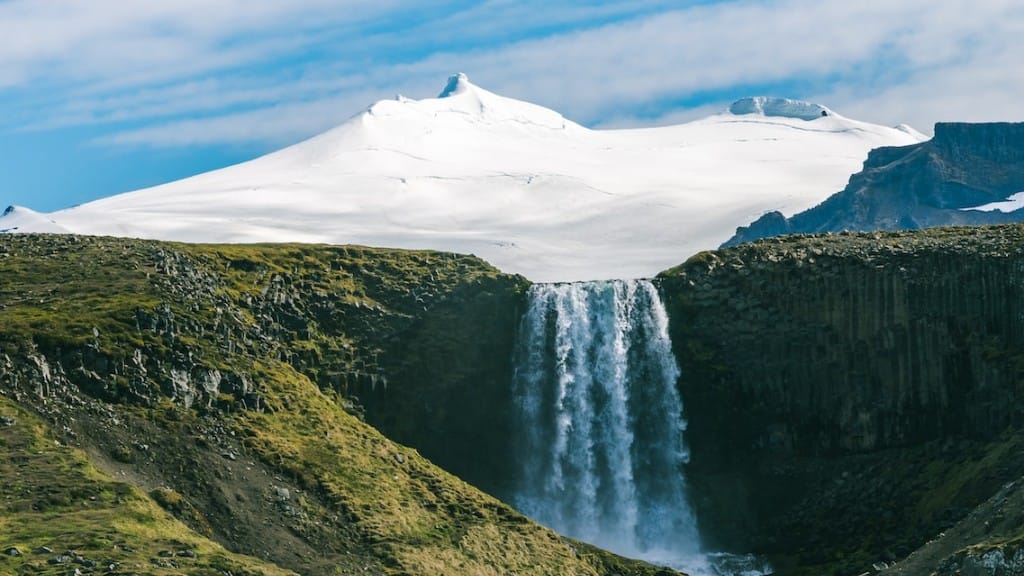
Iceland’s dramatic landscapes—volcanoes, glaciers, waterfalls, and geothermal wonders—make it a bucket-list destination, but its reputation for high costs can deter budget-conscious travelers. With strategic planning, however, exploring this Nordic gem without breaking the bank is entirely possible. Here’s a comprehensive guide to stretching your kronur (ISK) while enjoying Iceland’s magic.
1. Smart Transportation Choices
Transportation is often the biggest expense. Here’s how to minimize costs:
a. Rent a Small Campervan or Economy Car
- Why: Combines transport and accommodation. Campervans allow freedom to camp in approved sites (from 2,000 ISK/night).
- Tips:
- Book early for discounts (e.g., Lotus Car Rental, Happy Campers).
- Opt for manual transmission and decline unnecessary insurance if covered by your credit card.
- Share costs by traveling with 2–4 people.
b. Use Public Buses for Key Routes
- Strætó buses connect Reykjavík to towns like Akureyri and Höfn. A 7-day pass costs ~15,000 ISK.
- Sterna and Reykjavík Excursions offer cheaper intercity routes than tour buses.
c. Hitchhike (Safely)
- Common in summer on routes like the Golden Circle or Ring Road (Route 1).
- Carry a sign, smile, and split fuel costs with drivers.
d. Avoid Guided Tours
- Skip pricey day trips (e.g., $150+ for Golden Circle tours). Instead, self-drive to:
- Gullfoss Waterfall (free), Geysir (free), and Þingvellir National Park (900 ISK parking).
2. Affordable Accommodation Strategies
a. Camp Like a Local
- Campgrounds: Over 200 official sites (1,500–3,000 ISK/night). Facilities often include showers and kitchens.
- Wild Camping: Illegal near protected areas—always check local rules.
b. Hostels & Guesthouses
- Hostels: Beds from 5,000 ISK/night (e.g., Reykjavík Downtown HI Hostel).
- Guesthouses: Shared kitchens cut food costs (e.g., Airbnb rooms from 8,000 ISK).
c. Free Accommodation Hacks
- Couchsurfing: Connect with locals via apps like Couchsurfing or Trustroots.
- Work Exchanges: Trade 4–5 hours/day for lodging through Workaway or WWOOF (helping on farms).
3. Eating on a Budget
Dining out in Iceland can cost $20+ per meal. Save money by:
a. Cook Your Own Meals
- Budget Grocery Stores:
- Bónus (yellow pig logo): Cheapest for staples like Skyr yogurt and rye bread.
- Krónan and Nettó for fresh produce.
- Essential Buys: Oats, pasta, canned fish, and frozen veggies.
b. Street Food & Cheap Eats
- Hot Dogs: Try “ein með öllu” (with everything) at Bæjarins Beztu (450 ISK).
- Reykjavík’s Flea Market: Weekend soups and lamb stews (~1,200 ISK).
- Gas Station Grub: Surprisingly decent sandwiches and salads.
c. Free Breakfasts
- Many hostels and guesthouses include breakfast—load up on bread, cheese, and coffee.
4. Free & Low-Cost Activities
Iceland’s raw beauty is often free to explore:
a. Waterfall Hopping
- Seljalandsfoss and Skógafoss (free; parking ~800 ISK).
- Gljúfrabúi, hidden behind Seljalandsfoss, is less crowded.
b. Geothermal Pools Over Spas
- Skip the Blue Lagoon (9,990 ISK). Try local pools like:
- Laugardalslaug (Reykjavík, 1,300 ISK).
- Hofsós Sundlaug (infinity pool with fjord views, 1,000 ISK).
c. Hiking & Northern Lights
- Landmannalaugar and Fimmvörðuháls trails (free; 4×4 required).
- Chase auroras yourself using apps like Aurora Forecast.
d. Free Museums & Culture
- Reykjavík City Hall: Free exhibitions and maps.
- Kolaportið Flea Market: Dive into Icelandic quirks (weekends only).
5. Seasonal Savings & Off-Peak Hacks
a. Travel Shoulder Seasons
- April–May or September–October: Fewer crowds, cheaper rentals, and aurora/ midnight sun perks.
b. Winter Road Trips
- Rental cars are 30–50% cheaper November–March. Stick to the south coast for safer driving.
c. Avoid June–August Price Surges
- Accommodation and car rentals peak in summer—book 6+ months ahead.
6. Money-Saving Essentials
a. Skip Bottled Water
- Icelandic tap water is pristine and free. Carry a reusable bottle.
b. Duty-Free Alcohol
- Alcohol is heavily taxed. Stock up at Keflavík Airport’s duty-free shop.
c. City Cards
- Reykjavík City Card (3,900–5,500 ISK) includes buses, pools, and museums.
d. Fuel Apps
- Use Bensin or Gasvaktin to find the cheapest petrol stations (N1 is priciest).
Sample Daily Budget (Per Person)
| Category | Budget (ISK) | Tips |
|---|---|---|
| Accommodation (camping) | 2,000 | Split tent/campervan costs |
| Groceries | 3,000 | Cook 2 meals daily |
| Transport (shared car) | 4,000 | Split gas/rental fees |
| Activities | 1,500 | Focus on free sights |
| Total | 10,500 | (~$75 USD) |
Final Tips
- Pack Wisely: Bring waterproof gear, a thermos, and a sleeping bag to avoid rentals.
- Connect with Locals: Join free walking tours or Facebook groups for ride shares.
- Respect Nature: Avoid fines by staying on marked paths and never littering.
With creativity and flexibility, Iceland’s wonders are accessible even on a tight budget. Prioritize experiences over luxury, and let the land of fire and ice leave you awestruck—not financially drained.
