








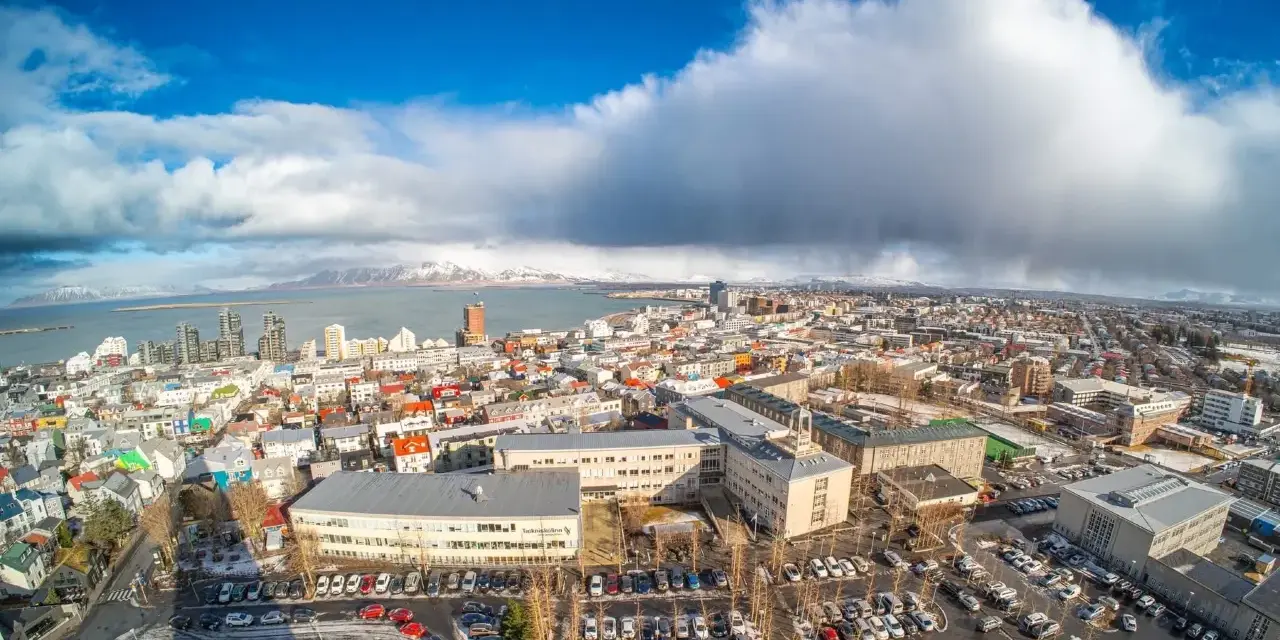
Reykjavik is the smallest capital most visitors ever fall for — the walkable core spans a handful of postcodes, the harbour ends before you notice it began, and the whole city can be crossed on foot in about half an hour. That compactness turns the lodging question from “which hotel?” into “which neighborhood?”, because in Reykjavik the district you pick shapes your mornings, your evenings and your walking shoes far more than the star rating of any single room.
Our team has slept in every zone on this list: apartments above downtown bars during the culture-night festival, guesthouses in the family district with a pool key on the counter, quiet harbour-side rooms where the only alarm is a fishing boat, and budget beds a bus ride out where the price drop pays for a whale tour. This guide maps each area honestly — who it suits, what it costs, and what we would choose again without hesitation.
Principais conclusões
- 101 Miðborg is the walk-everywhere heart — Laugavegur, Hallgrímskirkja and the café corners; also the priciest and, on weekend nights, the loudest.
- Old Harbour & Grandi: artsy, quieter, and steps from whale-watching departures, Harpa and the best breakfast bakeries.
- Laugardalur is the family zone: the city’s biggest pool, the botanical garden and zoo, easy parking and budget-friendly guesthouses.
- Budget reality: downtown doubles run roughly $150–300 in summer, guesthouse beds about $40–90 per person — and June–August needs a 3–6 month head start.
- Wherever you sleep, join the routine: an evening swim at the neighborhood pool is the Reykjavik habit that makes any room feel local.
Resposta rápida: first visit — stay in 101 or the Old Harbour and walk everywhere. Families — Laugardalur, for the pool, the zoo and painless parking. Budget — guesthouses in Vesturbær, Kópavogur/Seljarnarnes (with Sky Lagoon next door), or the bus-terminal district if the Flybus drop at the door matters most.
How Reykjavik is laid out
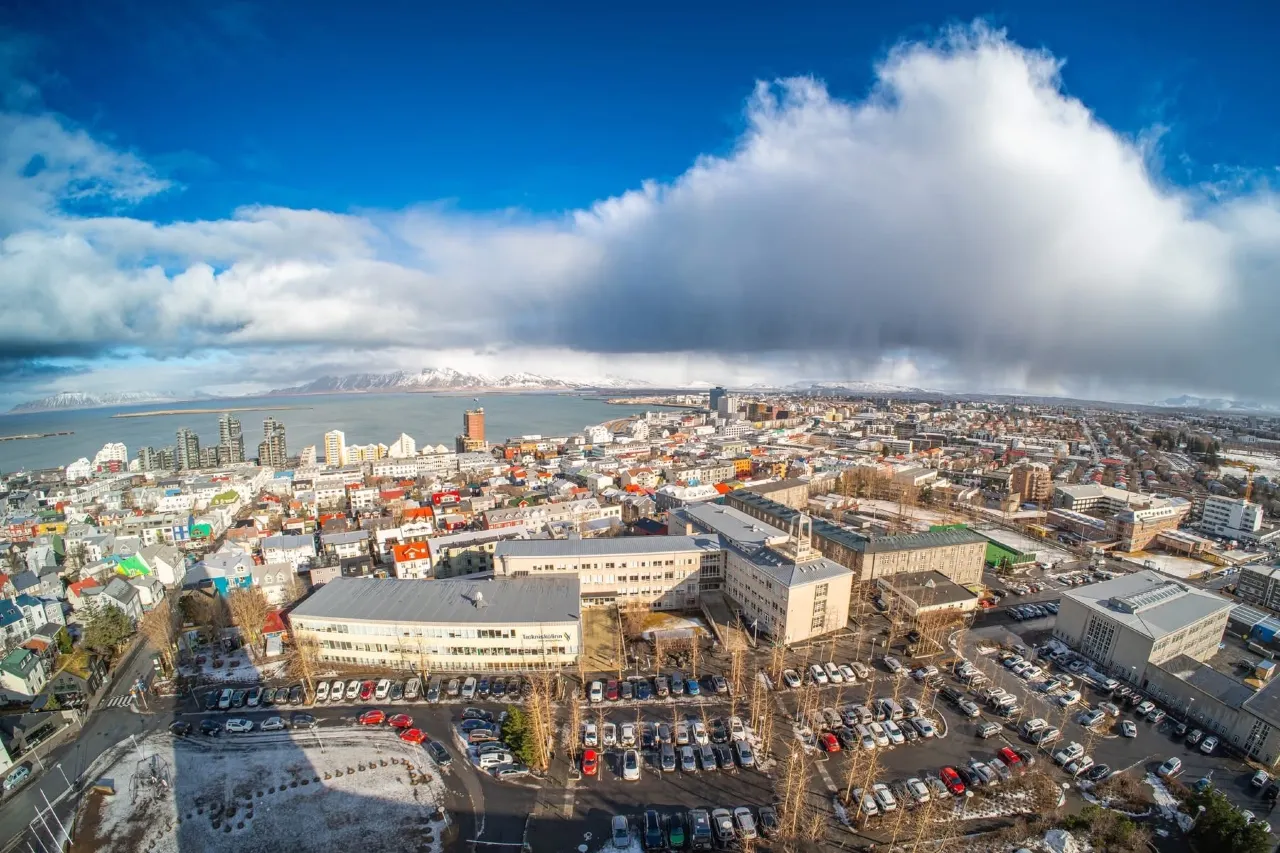
Think of the city as a hand cupping the bay: downtown sits on the ridge and runs downhill to the Old Harbour; Grandi, the former fish-packing peninsula, stretches west of it; Vesturbær continues along the coast with its bakery streets and pool; Laugardalur fills the valley behind everything with the big pool, gardens and family park; and the suburbs of Kópavogur and Seljarnarnes curve around the southern edge. No zone is remote — the farthest is ten to fifteen minutes by bus — so the choice is about atmosphere and routine, not distance.
Two local habits should shape the decision. First, pools anchor neighborhoods the way cafés anchor Paris streets: every district has one, and locals plan evenings around them. Second, weekend nights are loud in the centre — Reykjavik’s famous nightlife spills out of 101’s bars until the small hours, which delights some visitors and infuriates others. Knowing which visitor you are is half the booking.
101 Miðborg: the downtown core
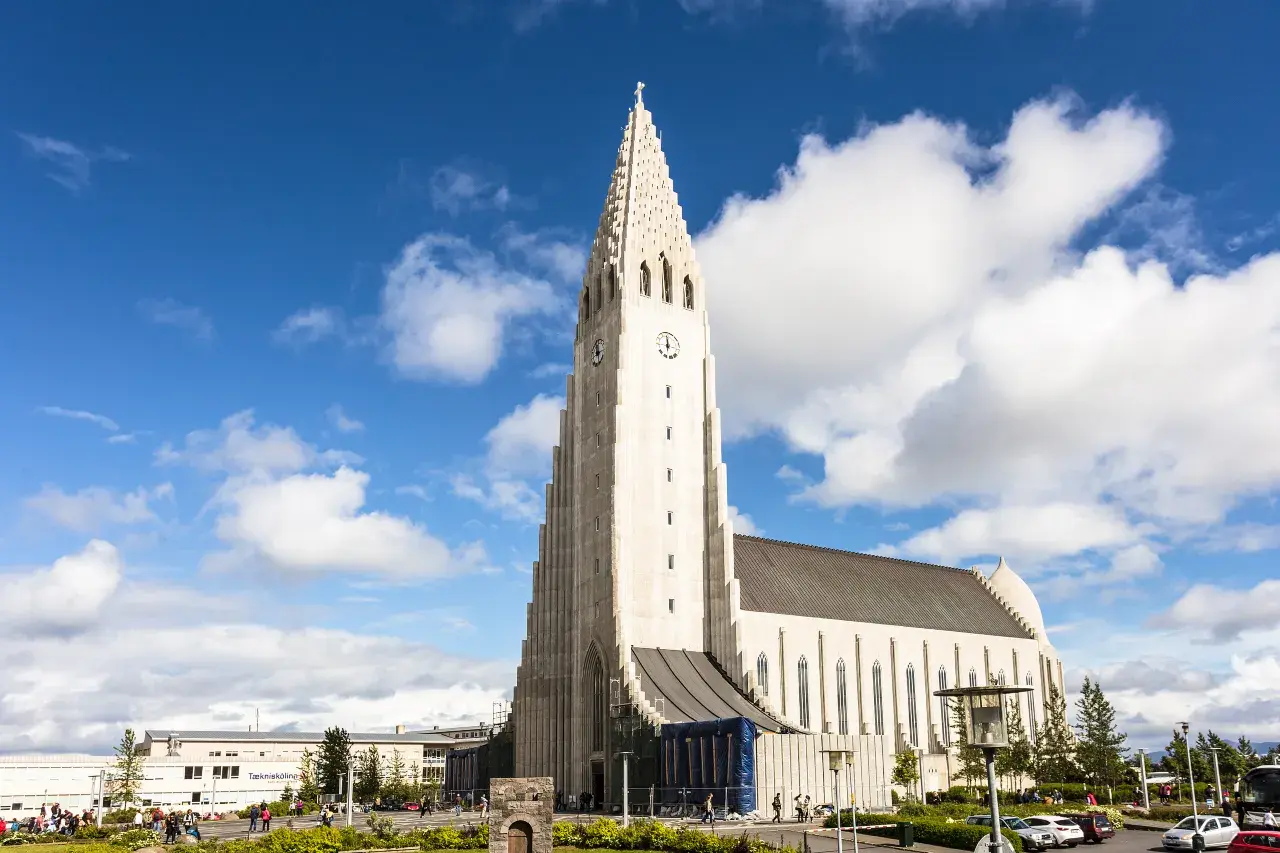
This is the postcode that postcards crop from: Laugavegur’s shopping street and its side lanes of design shops, the café corners where breakfast turns into lunch, and Hallgrímskirkja holding the skyline together. Staying here means everything is on foot — restaurants, museums, tour pick-ups — and the evenings are the point: you are in the middle of the city’s nightlife and cultural calendar whether you want to be or not.
The trade-offs are honest ones: this is the priciest patch of Iceland for rooms, and Friday–Saturday nights are genuinely loud until the bars empty. Our team books 101 for first visits and food-focused trips, then asks the right questions at booking — courtyard-facing rooms, rear-facing apartments, upper floors — and the noise problem shrinks to a rumor. Morning people who need silence should look one district west or east instead.
Old Harbour & Grandi
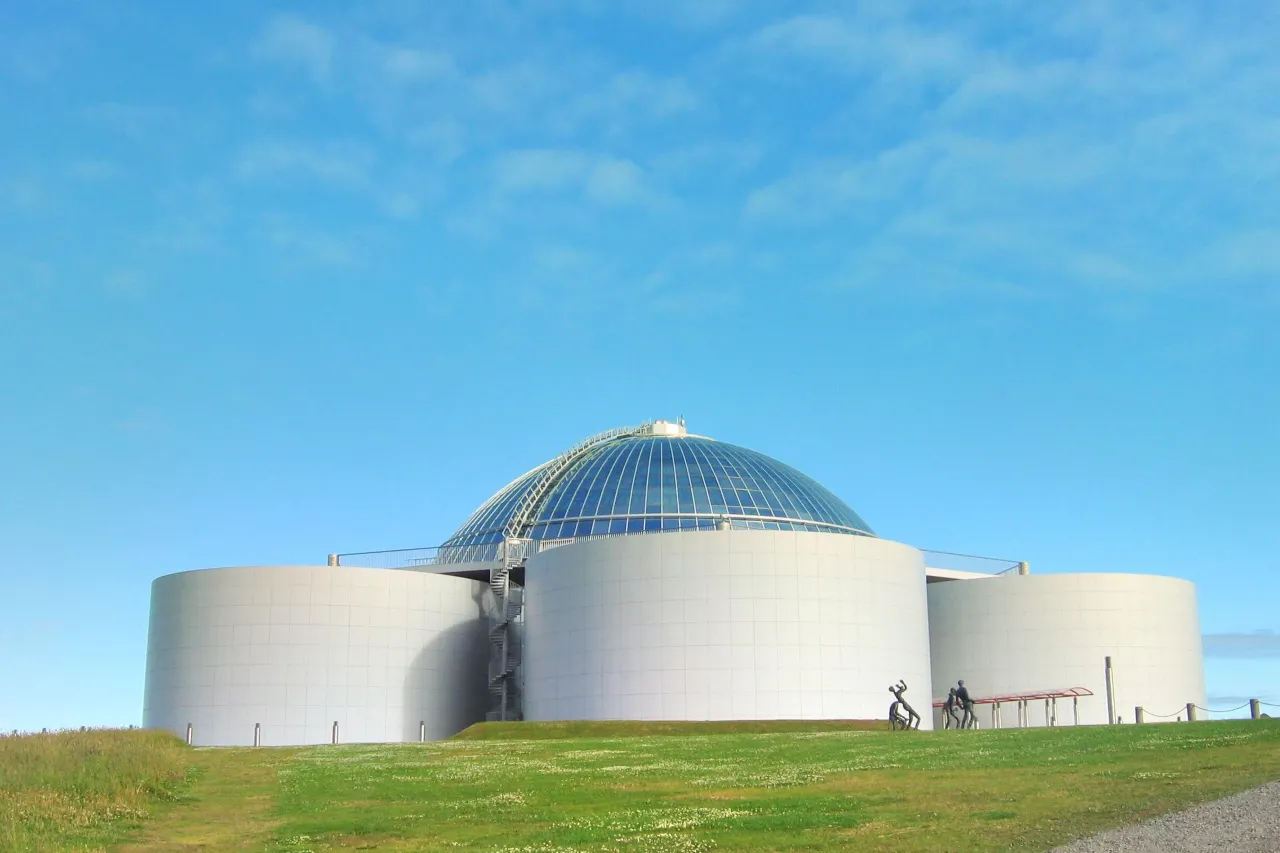
Two minutes downhill from downtown, the mood changes: working fishing boats, the Harpa concert hall at the water’s edge, and Grandi behind it — renovated fish warehouses turned galleries, museums and some of the best casual kitchens in town. This is the artsy, slightly quieter downtown alternative, and it has one unbeatable practical perk: whale-watching boats depart from here, so the morning tour starts at your front door rather than a cross-city walk.
The harbor districts reward wanderers. Grandi’s streets hold a lighthouse, a maritime museum and weekend markets; the waterfront path runs to Sculpture Shore and the sun-voyager steel boat that frames every sunset photo in the city. Rooms here trend toward renovated warehouses and boutique conversions rather than chains — atmosphere over amenity, and usually a calmer night than 101.
Laugardalur: the family zone
One valley inland, Reykjavik exhales. Laugardalur is the recreational heart: Laugardalslaug, the city’s flagship pool with slides, hot pots and lap lanes; the botanical garden; the family park and zoo; and sports halls that fill with kids every afternoon. Guesthouses and apartment hotels here run friendlier on price than downtown, parking is painless, and the pool is walkable from almost every bed — which, for families, settles the whole argument.
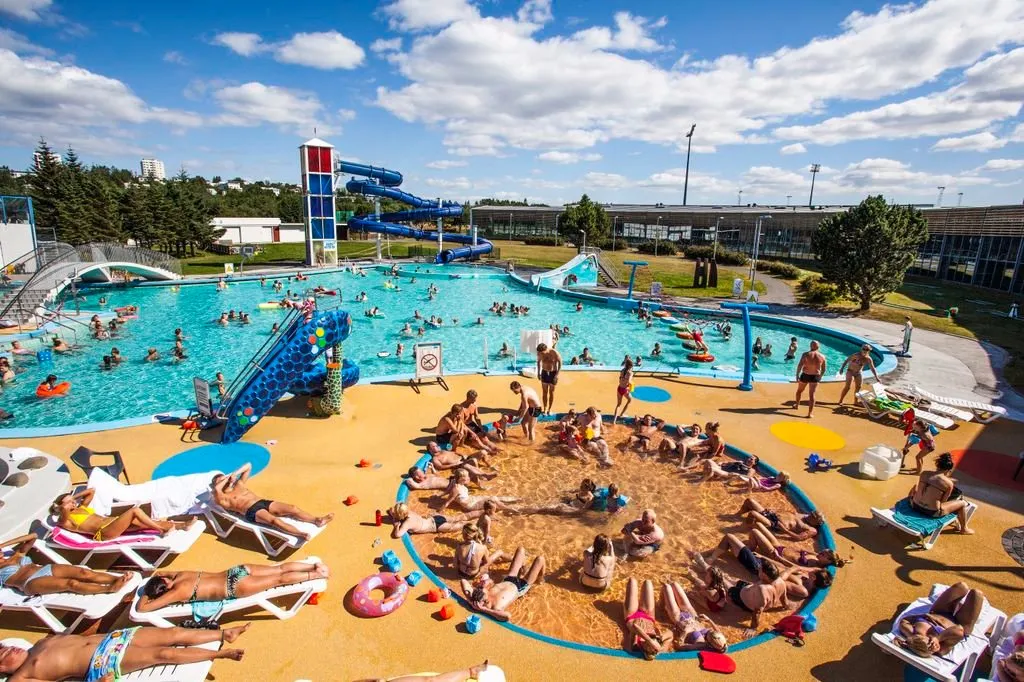
You trade some atmosphere for the practicality: it is a bus ride or a twenty-minute walk from Laugavegur’s restaurants, and the streets are residential rather than scenic. For families planning pool evenings and car days, that trade is the best deal in the city — our family travel guide builds whole itineraries around this district.
Vesturbær & the west side
Along the coast west of the centre lies the neighborhood Reykjavikers live in when they move up but not out: leafy streets, bakeries worth the walk, and Sundhöll pool with its vintage facade. Guesthouses here occupy old family homes, the vibe is local rather than touristic, and the centre remains a pleasant fifteen-minute stroll along the shoreline or through the streets behind it.
This is our pick for travelers who want “a neighborhood, not a hotel strip”: morning bakery runs, evening pool swims, and a bus lane back from town when the rain wins. Parking is easier than downtown, prices sit a notch below 101, and the west-side cafés count among the few places where visitors still outnumber nobody — you will be the guest at the local breakfast table.
Budget picks beyond the centre
Two further zones solve specific problems. Kópavogur and Seljarnarnes, just south and west of the city line, trade commute for cost: guesthouse and apartment rates drop meaningfully, and Sky Lagoon — the cliff-edge soak — sits right here, meaning your evening ritual is a walk rather than a drive. These suit road-trippers and repeat visitors who already know the centre and value a cheaper bed with the best lagoon in the region next door.
The bus-terminal district — Hlemmur and BSÍ — is the pragmatist’s zone: Flybus drops and collects here, tour departures and airport transfers happen at the doorstep, and guesthouse prices undercut the postcard streets. It is not scenic, but for early departures, late arrivals and travelers treating Reykjavik as a logistics hub, the honest answer is that practical beats pretty at seven in the morning.
Prices, timing & parking
The numbers, honestly framed: downtown doubles run roughly $150–300 a night in summer, guesthouses and hostels land around $40–90 per person, and apartment rentals carry families at rates that beat two hotel rooms. Winter prices drop across the board, which is one more reason the darker months reward flexible travelers. For June–August, book three to six months ahead — the good rooms in the walkable districts simply sell out, and what remains is either expensive or far.
| Area | Best for | Watch for |
|---|---|---|
| 101 Miðborg | First visits, food and nightlife | Prices; weekend noise |
| Old Harbour & Grandi | Culture, whale tours, quieter nights | Fewer shops; hilly walk up to centre |
| Laugardalur | Families, drivers, pool people | Bus or 20-min walk to centre |
| Vesturbær | Local feel, bakeries, calm | 15-min walk to core |
| Kópavogur / Seljarnarnes | Budget, Sky Lagoon next door | Needs a car or bus habit |
| Bus-terminal district | Flybus arrivals, early departures | Not scenic |
Parking follows the same logic: downtown zones charge during the day, while outer hotels and guesthouses park you free. Most visitors without a car will not miss one in the centre — tours pick up everywhere, and the pool-and-café life is walkable. And whatever the district, adopt the evening-pool routine; it is the single habit that turns a tourist stay into a Reykjavik one.
Frequently asked questions
Which neighborhood is best for a first visit?
101 Miðborg or the Old Harbour. Both put restaurants, museums, Harpa and tour pick-ups within a short walk; 101 is livelier and pricier, the harbour is artsy and calmer. If weekend noise would ruin your sleep, choose the harbour or Vesturbær and still reach everything on foot.
Where should families stay?
Laugardalur. The city’s flagship pool, the botanical garden and the family park are all there, parking is easy, and guesthouse prices leave room in the budget for tours. The centre is a short bus ride away for the big city evenings.
How much does a downtown hotel cost?
Roughly $150–300 per night for a double in summer, with guesthouse and hostel beds running about $40–90 per person. Winter drops the numbers noticeably. The ranges move with demand, so treat them as planning figures rather than quotes.
Do I need a car in Reykjavik?
Not inside the city — the core is walkable, buses cover the rest, and tour pick-ups reach the main districts. Rent for the road-trip days, not for the city stay; note that downtown parking zones charge by the day while outer districts usually park free.
When should I book for summer?
Three to six months ahead for June–August, especially for apartments and the characterful guesthouses, which sell out first. Winter is friendlier to late planners, though the December festival weeks still reward early booking.
Lock the base, then build the trip
Once the neighborhood is chosen, the arrival logistics and the day-by-day plan slot straight in — start with the airport transfer and the Trip Planner.
Finish the lodging math with the budget travel guide, plan the arrival-day transfer with the airport guide, and if the cliff-edge soak tempted you toward Kópavogur, our Sky Lagoon guide covers the booking rhythm. More field notes from the capital live in the blog.
Sources & official references
- Trip.com Iceland destination guide (checked 2026): neighborhood character, district listings and indicative accommodation ranges.
- Price bands reflect published rates across hotel, guesthouse and apartment listings for 2025–2026; figures are indicative and move with season and demand.
- City facilities and pool districts as described in official Reykjavik visitor information.
- Editorial stays across every district listed, 2024–2026, by the Iceland Travel Guides team.
