








Every traveler to Iceland faces the same souvenir moment: standing in a shop in front of a wall of round-yoke wool sweaters, wondering whether the lopapeysa is a genuine piece of the national wardrobe or a tourist-industry invention with a price tag to match. We have had that moment ourselves, several times, and we have also spent enough years of Nordic winters in wool to answer it: the real thing is worth every króna. Icelandic wool — double-coated, water-resistant, warm when soaked — is not marketing folklore; it is the material that kept an island alive for eleven centuries, and a handknit sweater made from it is the single most satisfying purchase you will make on this island.
This guide is the buying map we wish we had on our first trips: how the lopapeysa became the national sweater, why Icelandic sheep produce wool that behaves differently from anything you own, where to buy authentic handknits (and how to spot the machine-knit imports), what realistic prices look like, and what to buy beyond the sweater — yarn for knitters, blankets, fish-skin leather, ceramics, licorice and chocolate. Plus the care instructions that keep your knit alive for decades, and the VAT-refund routine that takes a little of the sting out of checkout.

Points clés à retenir
- The lopapeysa is real workwear: the round-yoke sweater, knit from Icelandic sheep’s dual-coat wool, is a genuine national garment, not a souvenir invention.
- The wool is engineered by the sheep: a soft insulating undercoat (þel) plus tough, water-shedding guard hair (tog) makes it warm even when wet.
- Authenticity is checkable: look for genuine handknits with “made in Iceland” labeling — the Handknitting Association’s shops are the benchmark.
- Budget realistically: handknit sweaters commonly run approximately $150–250+; machine-knit imports cost less but are a different product.
- Knitters and gifters have options: Ístex Lopi yarn, wool blankets, fish-skin leather, ceramics, Omnom chocolate and licorice round out the haul.
Réponse rapide : buy one genuine handknit lopapeysa (Association shops, farm stalls or reputable outfitters), one edible gift (licorice or chocolate), and yarn only if you actually knit. Check the “made in Iceland” label, keep every receipt, and ask about the tourist VAT refund at departure. Wear the sweater on the trip — it is a layer, not a trophy.
The lopapeysa: anatomy of an icon
A lopapeysa is instantly recognizable: a plain body, ribbed hem and cuffs, and a wide decorative band of patterned knitting encircling the round yoke at the collar. The silhouette is deliberately simple — no buttons, no shaping fuss, just wool — and that simplicity is the point. It pulls on over your head on a cold morning, layers under a shell jacket in the rain, and doubles as cabin wear in the evening. It is a garment engineered for a life spent outdoors in changeable weather, which is precisely the life Icelanders have always led.
The sweater’s history is more modern than the wool’s. Knitting with lopi yarn — the lightly processed wool made from both sheep coats together — became widespread through the early 20th century, and the round-yoke pattern became the national garment through the mid-century decades, the 1920s through the 1950s, as Iceland was building its modern identity: photographed on outdoor athletes, worn on farms and in fishing towns, and eventually adopted as an unofficial national costume by a generation that wore it everywhere from parliament corridors to glacier crossings. Today the pattern circulates freely, every family has knitters, and wearing one in Reykjavik is not cosplay — it is dress code.
That history also explains the buying advice below. Because the pattern is common property and the yarn is commercially available, a lopapeysa can be anything from a factory knit to a grandmother’s masterpiece. The price gap between those two products is wide, and the label tells you which one you are holding.
Icelandic wool: why it behaves differently
Icelandic sheep are a landrace breed, essentially unchanged since the settlement era, and their fleece is unusual: it is a double coat, two kinds of hair growing together. The þel is the fine, soft undercoat — the insulating layer that traps warmth. The tog is the long, tough outer hair — glossy, weather-resistant, built to shed rain and wind. In the raw fleece the two layers work as a system: insulation against cold, armor against weather.
When both coats are spun together into lopi yarn, the sweater inherits the system. That is why Icelandic wool is warm when wet — the guard hair keeps its structure and continues insulating even soaked — and why a lopapeysa handles the island’s five-seasons-in-one-day climate the way synthetic fleece cannot. It is also why the wool smells pleasantly farm-like when new, why the fabric is bulkier than merino, and why the sweaters are lighter than they look: the tog fibers are hollow-ish and airy.
For the buyer, the practical translation: this wool is water-resistant rather than waterproof, it insulates best as a mid-layer under a shell, and it does not need washing often — the fibers self-clean to a degree, and airing it overnight usually refreshes it completely. It is gear, in other words, and choosing your size is the same conversation as choosing your rain jacket size.
Worth knowing: Icelandic wool is not softness-graded like merino. The feel is woolly, slightly rustic, and entirely intentional. If you want silky-next-to-skin, wear a base layer under the sweater — that is how locals wear it too.
Where to buy authentic handknits
The benchmark institution is the Handknitting Association of Iceland — the national knitting guild — whose shops in Reykjavik sell genuine member-knit sweaters, hats, mittens and gloves, along with pattern books and yarn. The Association’s sweaters are one-of-one handknits by real knitters, with size variation and small irregularities that are proof of handwork rather than defects. If you buy one sweater in Iceland and want zero authenticity anxiety, buy it here.
Beyond the Association, the buying landscape splits usefully:
- Outfitter shops — outdoors retailers such as Fjallakofinn carry handknits alongside the technical gear; convenient when you are assembling a full layering system in one stop.
- Farmer’s markets and craft fairs — regional markets and seasonal stalls sell directly from knitters, often at fairer prices than city boutiques, with the best story-to-sweater ratio of any channel.
- Yarn shops for knitters — Ístex Lopi yarn (Lopi Light and the classic weights) is sold nationwide; buying three or four skeins and the official pattern books is the budget route to a genuine lopapeysa, if you knit.
- Regional workshops — wool centers and farm shops in the countryside sometimes sell knits made on-site; ask who knitted it and when, and you will get an answer worth hearing.
Whichever channel you choose, the layering logic stays the same: the sweater works as the insulating mid-layer in the system described in our packing guide. Buying it early in the trip is actually the smart play — you get to use it for the rest of the journey.
Real or machine-knit: checking authenticity
Machine-knit lopapeysur — many produced abroad from Icelandic-pattern designs — are sold across the island, often at prices that make the handknits look expensive by comparison. There is nothing wrong with machine knits as garments, but they are a different product: tighter, heavier, less insulating, and without the handknit’s airy loft. If you are paying for “Icelandic”, know which product is in your hands.
The checks are simple. Look for clear “made in Iceland” labeling on genuinely Icelandic products — and read it carefully, because “Icelandic pattern” or “Icelandic design” does not mean Icelandic-made. Handknits show small asymmetries: slight tension variation between panels, joins that are sewn rather than machine-finished, and a fabric that springs back when you press it. The Handknitting Association’s tagging is the most reliable guarantee in the country. Ask the shop who knitted it — a question that produces either a name and a story or a careful silence — and you will know your answer immediately.
Price is also information, used honestly: a “handknit” tag under a suspiciously low price should trigger the checks above, while the machine knits are usually upfront about what they are. Our budget guide puts sweater math into the wider trip-spend picture.
What it should cost
Handknit lopapeysur from the Association and reputable shops commonly run in the band of approximately $150–250 and upward, depending on size, yarn weight and the complexity of the yoke. Larger sizes and intricate patterns push higher; children’s sizes and simple hats and mittens come in well under that. These are indicative ranges — wool and handwork both carry real labor costs, and pricing moves with exchange rates and shop channel — but they frame the decision honestly: a genuine handknit is a $150-plus purchase, and anything dramatically cheaper is almost certainly machine-made.
Yarn is the honest alternative for the craft-inclined: a few skeins of Lopi plus a pattern costs a fraction of a finished sweater, and knitting one at home extends the trip for months. Blankets and outerwear from Icelandic wool run across a wide range depending on size and construction. And the sweaters hold value: a handknit lopapeysa, cared for, outlives most of your technical wardrobe — ours have survived a decade of winters, which is the real justification our team repeats every time the checkout total stings.
Beyond the sweater: the rest of the haul
Icelandic design extends well past knitwear, and the best souvenir haul mixes a few categories:
- Wool blankets and throws — the same dual-coat yarn in flat-woven form; the durable luxury purchase that quietly outperforms every other souvenir category.
- Fish-skin leather goods — wallets and bags made from tanned fish skin, a revival craft with real innovation credentials and a story that survives the flight home.
- Ceramics — small studios across the country produce volcanic-ash-glazed mugs and bowls; heavy but genuinely local.
- Licorice and chocolate — the national confectionery habit, with Omnom chocolate the modern craft benchmark and salty licorice the authentic taste adventure. Viking-brand candy covers the classic nostalgia lane.
- Skincare — the mineral and algae product lines built around the Blue Lagoon’s biotech are compact, giftable and genuinely from here.
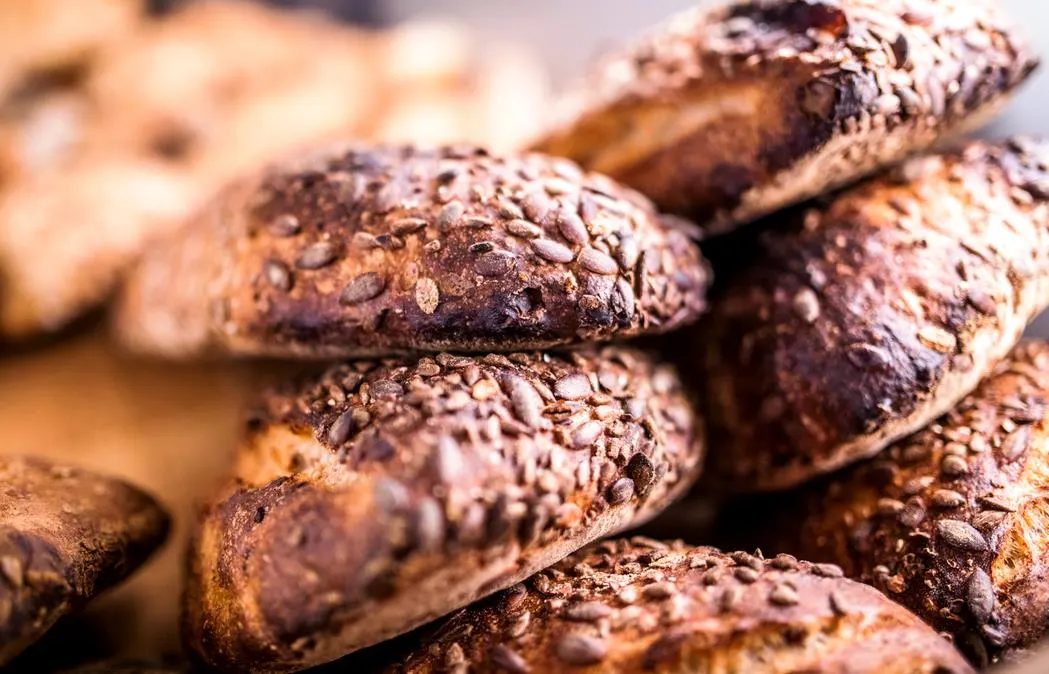
Food gifts deserve their own line in the budget: they are cheap, authentic and consumable, which solves the souvenir problem for everyone on your list. Our food & drink guide covers the edible aisle in full — from skyr to smoked lamb — with the honest verdict on which flavors export well.
Care, washing and the VAT refund
Lopapeysa care is simple and non-negotiable: hand wash in cool water with wool detergent — no hot water, no tumble dryer, no aggressive wringing — then reshape and air-dry flat, away from direct heat. The fibers’ natural loft recovers as it dries. Between washes, airing does most of the work; Icelandic wool sheds odor and light moisture remarkably well. Stored dry and folded (never hung), a handknit lasts decades; our oldest team sweaters have outlasted three rain jackets each.
On money: Iceland applies a tourist VAT refund scheme on exports — keep your receipts, meet the threshold, and ask about the refund process at departure, where the dedicated refund desks handle it. The paperwork takes minutes and claws back a meaningful share of a big wool purchase. The same receipts matter for any insurance claims on the trip, so photograph them as you go. And the duty-free angle from our arrival guide applies here too: alcohol is the classic KEF duty-free buy, but wool purchases at the airport shops work on the same tax-free logic for the refund process.
Frequently asked questions
Is a lopapeysa worth the price?
If you buy a genuine handknit, yes — the dual-coat wool insulates warm-even-when-wet in a way synthetics do not, the sweaters last decades with basic care, and you are paying for real handwork. If your budget points elsewhere, the machine knits are fine garments but should be judged (and priced) as such — or buy the yarn and knit your own.
How do I spot a machine-knit import?
Read the label first — “Icelandic design” is not “made in Iceland”. Handknits show slight tension variation, sewn joins and airy loft that springs back under pressure; machine knits are denser, heavier and perfectly uniform. Association tagging is the strongest guarantee, and asking who knitted it settles most cases on the spot.
Can I machine wash my lopapeysa?
No — hand wash cool with wool detergent, reshape and dry flat. Hot water and tumble drying shrink and felt the wool irreversibly. In practice you will wash it rarely: airing overnight handles most freshness, which is how locals actually care for theirs.
Is buying yarn and knitting my own realistic?
Absolutely — it is the traditional route. Ístex Lopi yarn and the official pattern books are sold nationwide for a fraction of a finished sweater’s cost, and the round-yoke pattern is forgiving for competent knitters. Non-knitters: the same shops sell finished handknits and will happily point you to one.
How does the tourist VAT refund work?
Keep the receipts from your wool and design purchases, meet the scheme’s threshold, and process the export refund at departure — the airport refund desks handle the paperwork. Treat published thresholds and refund rates as current-information items and confirm at purchase time; the habit of keeping receipts is the part that matters.
Budget the haul before you shop
Iceland is expensive — our budget guide does the full math, and the trip planner slots a shopping afternoon into a working itinerary.
One more shopping thought: the Blue Lagoon skincare lines make the easiest travel-size gifts (our Blue Lagoon guide covers the visit itself), the travel guide et packing guide place your new wool into a working layering system, and our blog collects the team’s own sweater-buying sagas — including the one we paid too much for, so you don’t have to.
Sources & official references
- Lopapeysa and Icelandic wool background: the double coat (þel/tog) and lopi yarn tradition, as documented by the Handknitting Association of Iceland and national textile references.
- Price bands are indicative 2026 ranges for genuine handknits, cross-checked across the Handknitting Association, outfitters and regional markets; actual prices move with size, pattern and channel.
- Tourist VAT refund scheme: general export-refund availability per Icelandic tax authority public guidance; thresholds and rates should be confirmed at purchase time.
- Product categories (Ístex Lopi yarn, fish-skin leather, Omnom chocolate, Blue Lagoon skincare) per the makers’ own public product information and Trip.com Iceland destination guide (checked 2026).
- Editorial purchases and wear-testing 2020–2026 by the Iceland Travel Guides team.
