





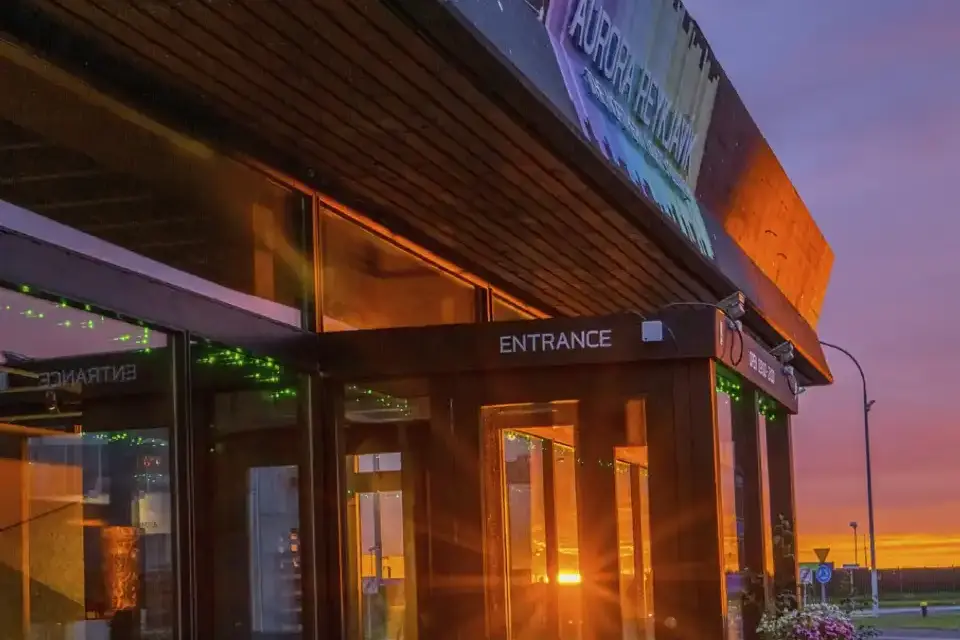
Aurora Reykjavík is the small, sharp museum on the Grandi waterfront that solves the northern lights’ biggest problem: most visitors chase a phenomenon they have never been taught to read. The centre compresses the science, the forecasting and the photography into one immersive hour — multimedia exhibits, real-time forecast walkthroughs, a camera-testing station — and then you walk out knowing exactly what en.vedur.is is telling you. It is the training ground for Iceland’s signature night phenomenon, ranked #10 on the national list.
This is #10 of 39 in our Best Things to Do in Iceland guide (heat 7.1, 4.6/5 verified rating, from ~US$32). Below: what the centre actually contains, who benefits most, how it pairs with a real aurora night, and the honest answer on whether a museum can teach the sky.
Key takeaways
- It teaches the forecast: the centre’s core skill: reading the en.vedur.is cloud map and activity forecast — the two numbers that decide your night.
- The photo station works: test your camera settings against full-scale aurora images before you freeze on a dark hillside.
- One hour is the dose: a compact, multimedia hour — pairs perfectly with a same-evening chase or a tour departure.
- From ~US$32: typical “from” price on Trip.com (2026) — the cheapest ticketed stop in the top 10.
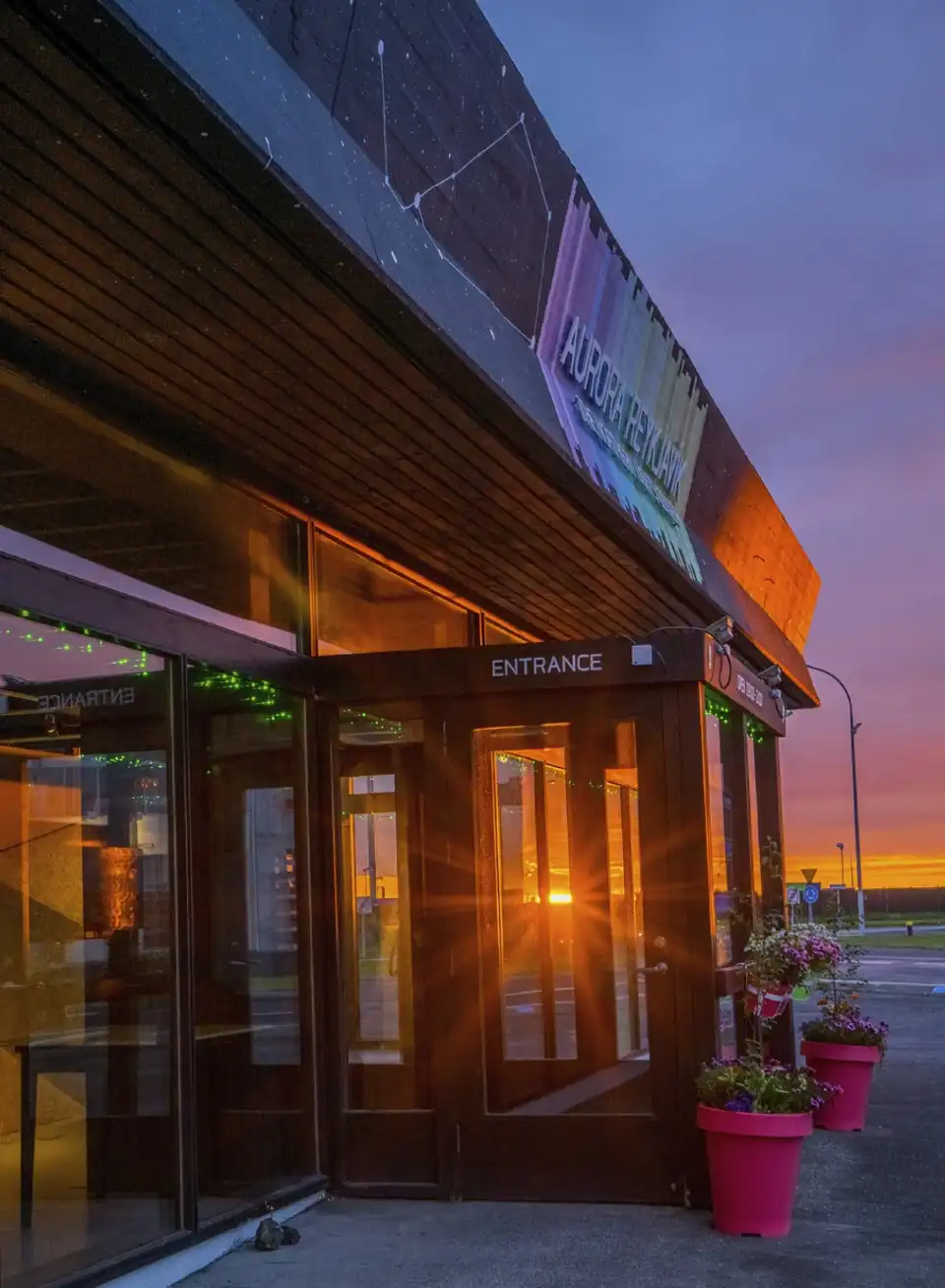
- Grandi, not downtown: Fiskislóð 53 on the old harbour waterfront — walkable from Harpa, near FlyOver Iceland (#27) and Lava Show (#12).
Quick answer: Visit Aurora Reykjavík before your first aurora attempt, not after: one hour of exhibits and forecast training, test your camera at the photo station, then book a chase or drive to your dark spot the same evening with the recipe loaded. On clear September–March nights, the Grandi waterfront itself is a backup viewing spot.
What the centre actually contains
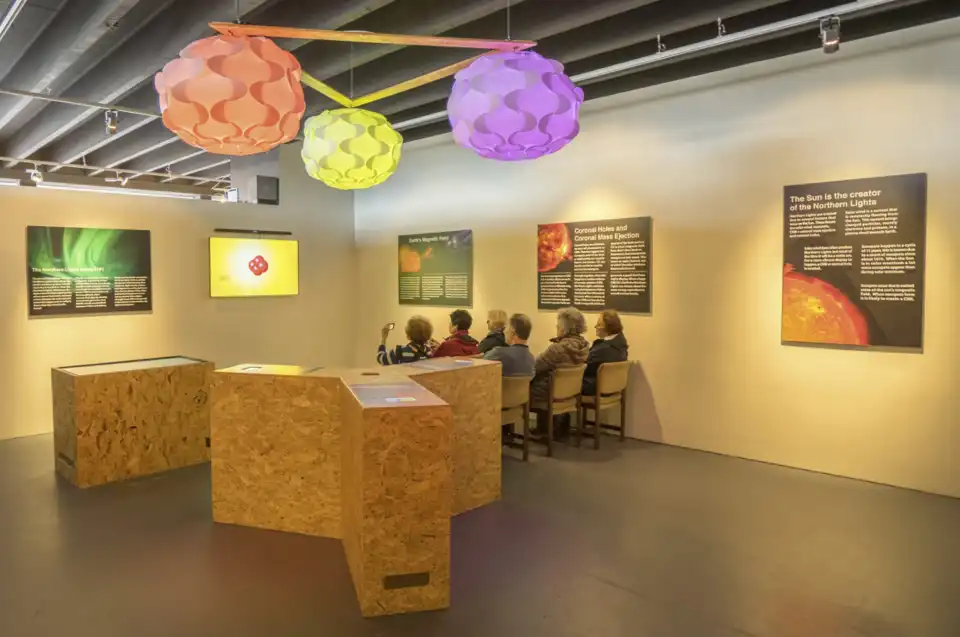
Aurora Reykjavík is deliberately compact: a sequence of multimedia rooms covering what the aurora is (the solar-wind physics, told simply), why Iceland is the best seat (the auroral oval sits overhead, not on the horizon), and the colours — green oxygen, the rarer reds and purples. The exhibits blend large-scale projections, real traveller photographs with their settings attached, and hands-on stations rather than reading panels.
The two stations that earn the ticket: the forecast classroom, where staff walk the live en.vedur.is cloud map and activity scale — teaching you to find the clear-dark window nearest your base, the skill that converts statistics into sightings; and the photography station, full-scale aurora images on screen where you test ISO, shutter and focus settings against a realistic target before trying them at −10°C in the dark. The gift-shop corner doubles as the photo-booth exit.
Cloud beats KP: the centre’s core lesson matches our aurora guide’s: Iceland sits under the auroral oval, so the limiting factor is cloud cover, not geomagnetic activity. A KP-0 clear night shows lights here; a KP-5 cloudy night shows nothing. Learn the cloud map first.
Who it is for — and who it isn’t
The centre rewards three groups most: first-time aurora chasers (the forecast training pays for itself on night one), photographers who want their settings proven before the field test, and families with children old enough to enjoy the projections — it is the rare aurora product that works at kid level. Visitors who already know the forecast system and shoot aurora regularly will find it light; treat it as the primer it is, and its price makes the primer reasonable.
The timing logic: visit in the early evening (10:00–19:00 hours), then deploy the same night. The centre does not run tours — it makes you independent, which is the point. If a tour is your plan instead, the briefing still improves the odds: you will understand what the guide’s decisions mean (why they drove east instead of north, why tonight’s KP is irrelevant under that cloud bank).
The Grandi bonus: the centre sits on the redeveloped old-harbour waterfront — pair it with Lava Show (#12) next door and FlyOver Iceland (#27) across the lot for a full Grandi afternoon, all indoors, all weather-proof.
Seasons: when the training pays off
The centre runs year-round; the aurora it prepares you for runs September–March, with the equinox months (September–October, February–March) the statistical peak. Summer visitors (midnight sun) get the science without the sky — the planetarium-style content substitutes, and the forecast classroom still teaches for next winter’s trip. Winter visitors: time the visit for day one of a multi-night stay; aurora success is a repetition game, and the earlier the training lands, the more nights you have to deploy it.
The realistic expectation the centre sets (and we endorse): aurora is a probabilities game of clear dark skies. The recipe — solid tripod, manual focus, ISO 1600–3200, 8–15 s — plus the cloud-map habit converts the odds better than any tour bus. Our own aurora guide and the capital’s viewing-spots ranking carry the field work.
How it fits an Iceland route
Grandi clusters it: Aurora Reykjavík + Lava Show + FlyOver Iceland is the capital’s best bad-weather afternoon, all within 200 metres. The evening version pairs the centre with a chase or the free dark spots (Grótta lighthouse, Þingvellir’s rift walls 40 minutes out). Our Aurora Reykjavík deep-dive covers the exhibits in full, and the northern-lights guide is the field manual it trains you for.
Frequently asked questions
Is Aurora Reykjavík worth it if I’m joining an aurora tour?
Yes — the forecast and settings training makes the tour night legible: you will understand the guide’s cloud-map decisions and be ready with camera settings when the sky fires. It is an hour that improves the tour, not a substitute for it.
Can I see real northern lights from the centre?
The centre is indoor exhibits; the Grandi waterfront outside is a legitimate strong-display spot. For the real chase, our aurora guide and en.vedur.is run the night.
What age is it suitable for?
School-age children enjoy the projections and interactives; the forecast classroom engages older kids and adults. It is compact (one hour), which suits family attention spans.
What should I test at the photo station?
Bring your actual camera: run the starter recipe (f/2.8, ISO 1600–3200, 8–15 s, manual focus) against the station’s full-scale images, and test your manual-focus routine — the skill that fails most often in the field.
Where this ranks — and what is next
Aurora Reykjavík – The Northern Lights Center is #10 of 39 in our Best Things to Do in Iceland guide — the full ranked list, built from Trip.Best traveler data, lives in one place.
Go deeper: Aurora Reykjavík — the full centre guide, Chasing the northern lights — the field manual, How to photograph the northern lights (spot 20).
Sources & official references
- Trip.com listing for Aurora Reykjavík: price, hours, 4.6/5 rating (checked November 2026).
- Trip.Best ranking data: heat 7.1, #10 of 39 (November 2026).
- Aurora Reykjavík operator information: exhibits, photo station, hours (checked 2026).
- en.vedur.is forecast methodology as taught in the centre’s classroom.
- Editorial visits and aurora nights across seasons, 2023–2026.
