




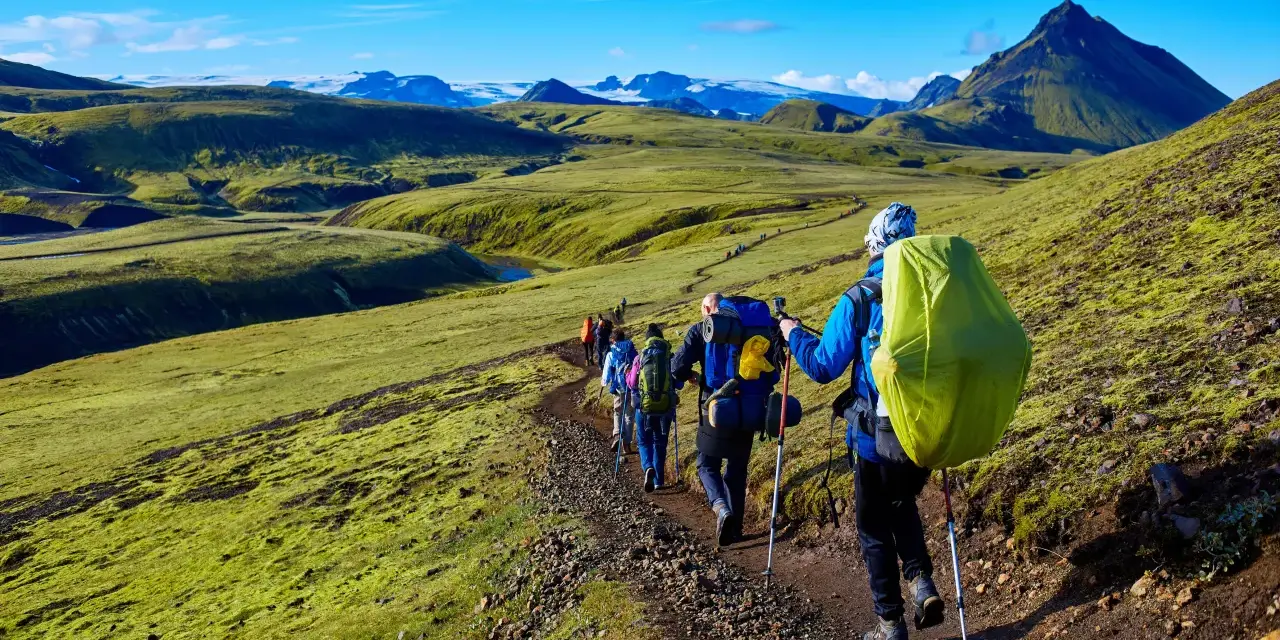
Ask experienced parents which European country they would trust with a toddler, a ten-year-old and a grandparent on the same itinerary, and Iceland keeps winning the vote. There is no dangerous wildlife, the tap water is free and glacier-clean, every town has a heated swimming pool, and Icelandic culture treats children as full citizens of every café, campsite and trail. Our team has explored the island with kids of every age — stroller-era toddlers, scooter-phase tweens, teenagers who pretend not to care about geysers and then photograph eleven of them — and this guide is the honest version of what we learned: what actually works, what we would skip, and the few rules that keep small people safe in a big landscape.
Iceland is also small enough to keep family logistics human. Drive times are measured in hours, not days; every pool has a shallow end; and the national diet — hot dogs, ice cream, skyr — reads like a children’s menu written by accident. What takes planning is the environment itself (wind, waves and hot ground) and the budget, which rewards families who cook, camp and use the pool card to its fullest.
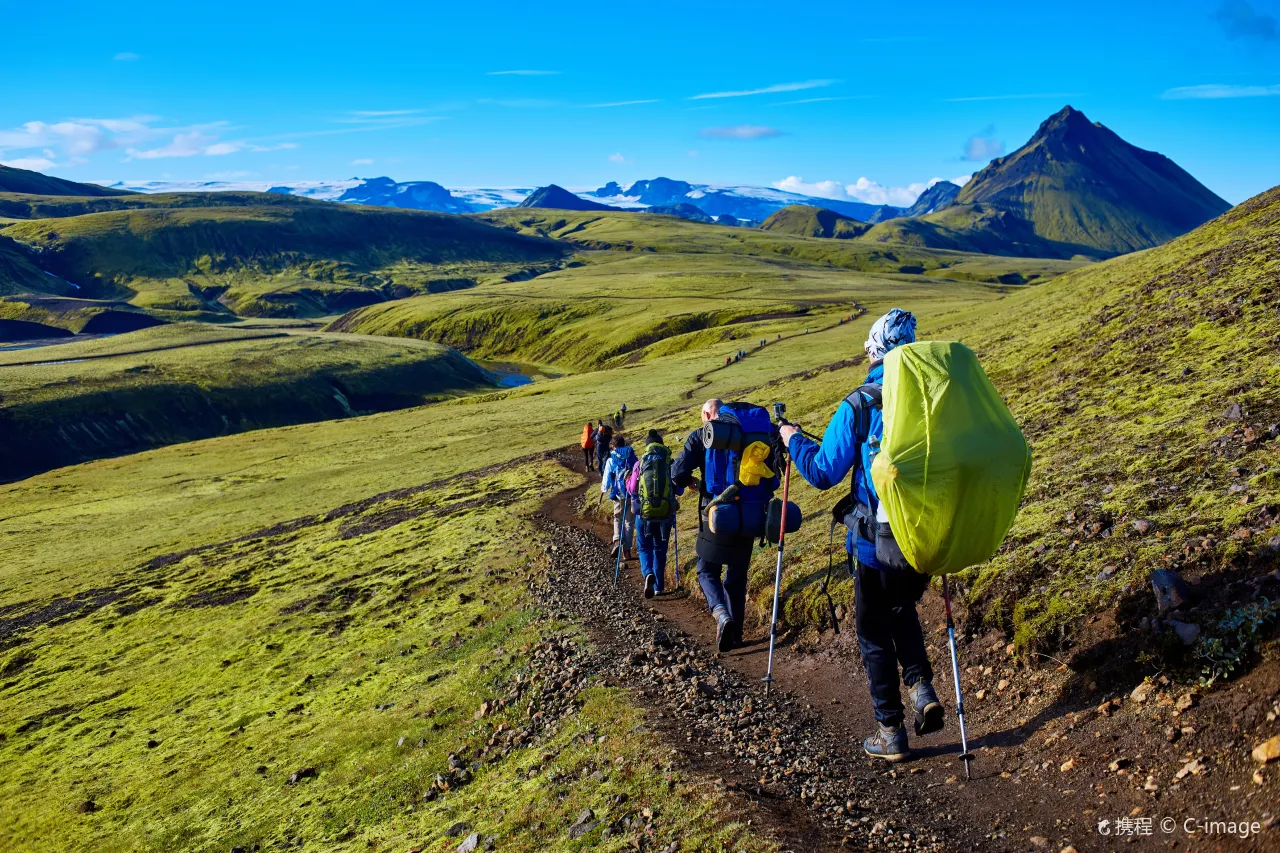
Key takeaways
- Safety comes from rules, not fences: there is no dangerous wildlife — the real hazards (waves, steam, wind) are exactly the ones you can teach kids to respect.
- Pools are the superpower: every town has one, most cost less than a coffee back home, and a “pool stop” is how our team converts any rainy afternoon.
- Car seats are law for children under 135 cm — reserve the right restraint with your rental car in advance, not at the counter.
- The kid-verified hit list: Strokkur’s geyser clockwork, Perlan’s indoor ice cave, whale boats, puffin cliffs, lava shows and ice cream — a lot of ice cream.
- Summer for freedom, December for magic: midnight-sun light and puffins, or Yule Lads and aurora evenings — both work, for different reasons.
Quick answer: with one week, base the family in Reykjavik and add one South Coast overnight, keep every drive under three hours, put a pool stop in every day, and pre-book the two things that sell out (whale boats in July, lagoon slots). Iceland rewards slow mornings and hot-dog lunches; nobody needs a twelve-hour itinerary.
Why Iceland is easy with kids
The fear list most parents arrive with — snakes, predators, biting things — evaporates on contact with the country, because none of it exists here. Icelandic nature plays offense with environment rather than wildlife: ocean, hot ground and weather are the only opponents, and all three come with visible, teachable rules. That makes Iceland one of the rare destinations where the safety talk you give your children on day one is genuinely the whole syllabus.
Everyday logistics are kind too. Tap water is free and superb at every tap, so refill bottles instead of buying cases. Swimming pools anchor almost every town, many with slides and hot pots, and locals treat them as an evening ritual rather than an attraction — your kids will be swimming beside residents, not tour groups. Jet lag is gentle: from Europe it is barely noticeable, and from the US East Coast a noon arrival plus one easy pool-and-groceries day does the job.
Worth knowing: pack swimwear into the day bag every single time, regardless of forecast. The town pool is the family reset button — cheap, warm and reliably open — and it converts a rain-wasted afternoon into the day the kids actually remember.
Car seats, drive times & getting around
Icelandic law requires an appropriate child restraint for every child under 135 cm, and rental companies will supply seats — but summer stock runs thin, and a missing booster at the counter can stall an entire itinerary. Reserve the seat with the car when you book, confirm the type for your child’s age and height (rear-facing for toddlers, high-back boosters for bigger kids), and check the fit before you leave the rental lot.
Distances are the friendlier surprise. Reykjavik to the Golden Circle is under two hours; Reykjavik to Vík on the South Coast is about two and a half; and with sensible bases no day needs more than three hours of driving. Strollers are city-friendly but trail-hostile — a proper child carrier earns its space in the trunk. Petrol stations double as the family service plaza: toilets, hot dogs, ice cream and a leg-stretch in one stop.
- Reserve restraints with the rental before you fly, and confirm the seat type matches your child’s height.
- Split driving days with a pool, playground or petrol-station stop between legs.
- Bring a child carrier for trails; leave the stroller for the city and airport.
- Front-seat snacks and refillable bottles save both money and moods.
The kid-verified highlights
Whale watching tops most family lists, and Reykjavik’s old harbour makes it easy: large, stable boats sail from the city centre, and summer trips regularly meet minke whales, white-beaked dolphins and the occasional humpback. Minimum ages vary by operator, and the fast zodiac tours are generally reserved for older kids — check the policy when booking and pick the big boat for mixed-age crews.
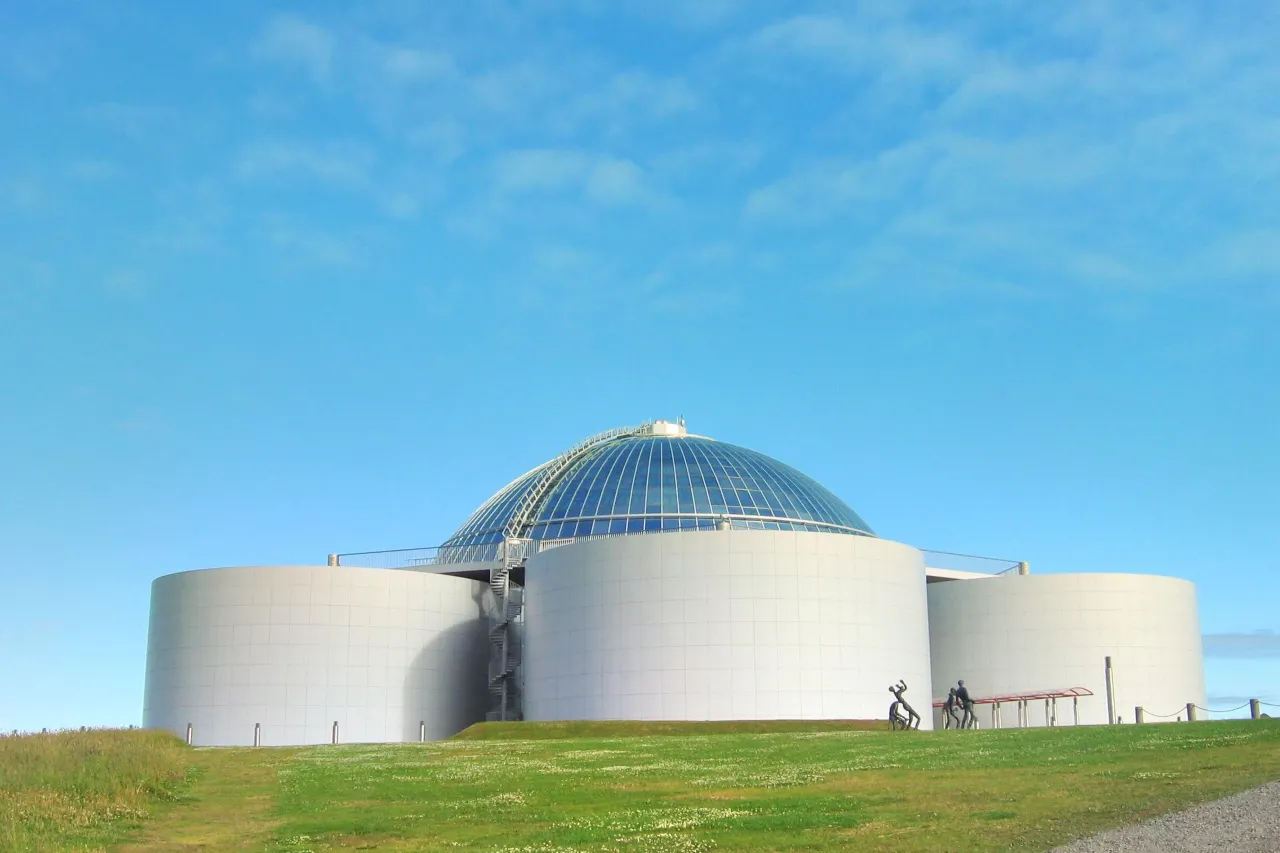
In summer, puffin cliffs and boat tours put the comical little birds close enough for even short attention spans. In town, the Perlan museum is the all-weather champion — a real indoor ice cave you walk through at minus temperatures, a planetarium show, and exhibits kids can touch — while the tower at Hallgrímskirkja gives every child the elevator-ride payoff of seeing the whole city below.
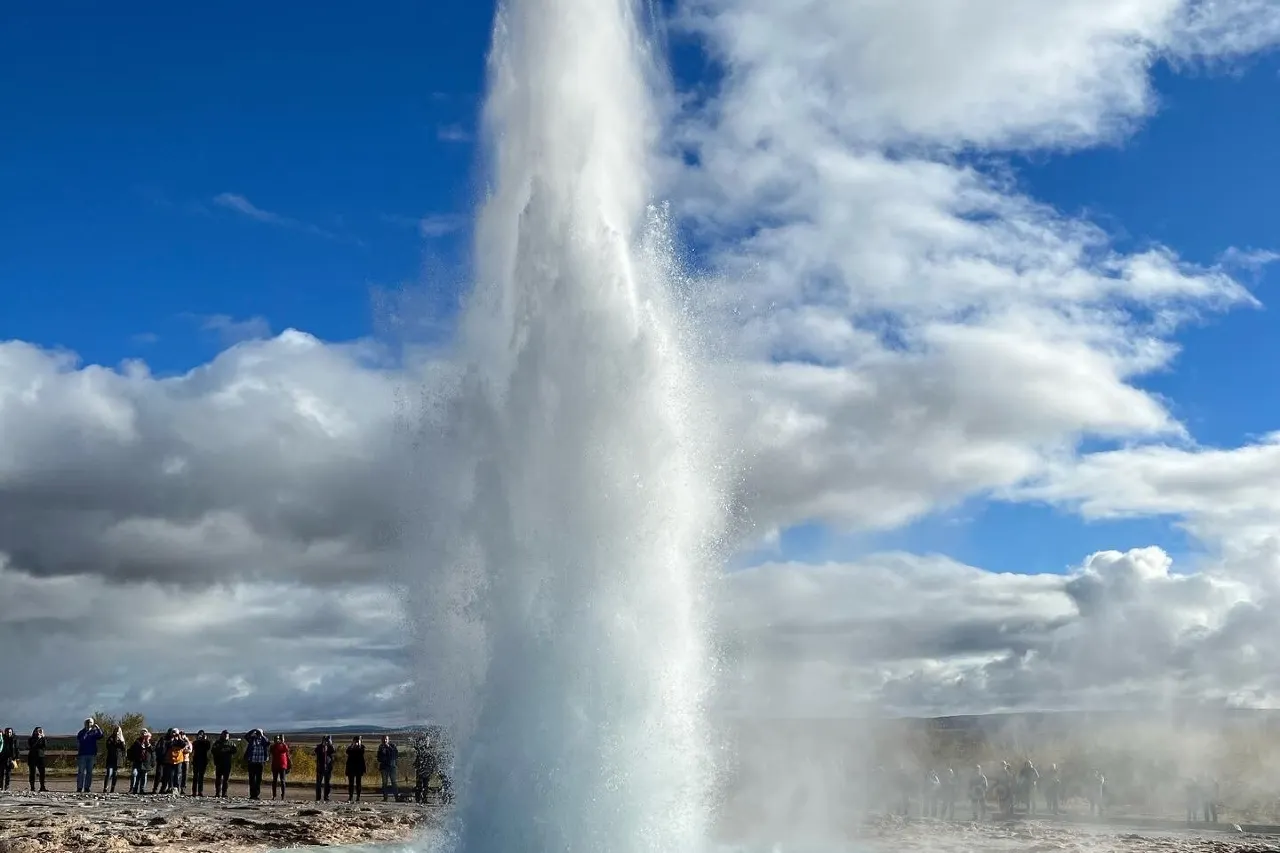
Two more crowd-pleasers need almost no planning. The Vík Lava Show pours actual molten lava — rock heated to around 1,100°C — indoors in front of a seated audience, which makes it the rare spectacle that is equal parts science class and theatre. And in the Golden Circle, Strokkur erupts every five to ten minutes on a rhythm kids can time themselves against; the Golden Circle Route packs geyser show, waterfall and rift valley into one short driving day.
Pools, lagoons & hot pots
The municipal pool is Iceland’s family institution, and it costs a fraction of the big lagoons. Expect lifeguards, shallow teaching pools, slides for the bold and hot pots for the cold; expect also the shower-before-swim etiquette, enforced politely and firmly — teach your kids the routine on day one and nobody gets a talking-to. An evening pool run is how local families end ordinary days, and it works exactly as well on holiday.
The big lagoons are the splurge tier. The Blue Lagoon admits children from age two and requires pre-booked slots, so lock in a time that fits the family rhythm rather than arriving on spec. Mývatn Nature Baths in the north and most municipal pools are more relaxed on atmosphere and easier on budgets — check each lagoon’s own family policy before you promise anything, because rules genuinely differ between them.
From real trips: for kids under about eight, the town pool beats the famous lagoon every time — warmer shallows, play structures, and a hot dog window at the exit. Save the lagoon for a teen-and-adults session, or go early and keep the visit short enough that nobody turns pruny.
Hot dogs, ice cream & feeding the crew
Relax: the hot dog is a legitimate dinner in Iceland, and children adore the ordering ritual of “one with everything”. They cost a fraction of restaurant mains, appear at every petrol station and pool kiosk, and double as road-trip punctuation. Ice cream culture runs just as deep — everything stops for ice cream here, locals queue for it in any weather, and pool cafés sell it, which is how the family day ends on both ends.
For everything else, the supermarket strategy works: apartment or campsite breakfasts, packed sandwich lunches, and one warm dinner out per day. Kids’ discounts are common at museums, pools and tours, camping is the cheapest roof in the country, and a family that mixes hot-dog dinners with one proper fish-and-chips night eats well without wincing at the receipt.
Safety with kids: waves, steam & wind
There are exactly three things to teach, and they cover nearly every risk on the island. First, sneaker waves at black-sand beaches: waves travel in sets, the calm ones come first, and a single surge can run metres up the sand — hold hands, stay behind the sand berm and never turn your back on the ocean. Second, geothermal ground: the water in springs and mud pools runs around 80–100°C, boardwalks and marked paths exist for a reason, and wind-blown spray can scald from further away than you expect. Third, wind: it slams car doors hard enough to cause damage, snatches hats with Olympic timing and makes kids cold faster than any temperature reading suggests.
Frame the rules as a game — berm patrol, path patrol, door patrol — and kids police each other better than any adult can. Our full safety guide covers the emergency number, the location-sharing app and the details worth knowing before you go; read it on the flight over rather than after the first beach stop.
When to go & a 7-day family itinerary
Two windows work beautifully, and they offer different trips. Summer (June–August) buys the longest days, open trails, puffins and whale boats, and the freedom to improvise without watching the clock. December trades wildlife for atmosphere: the Yule Lads’ countdown, festive lights, aurora evenings and a city that turns cosy at four in the afternoon. If your crew tolerates short daylight and storms well, winter is the cheaper and more magical pick; if flexibility matters more, go in summer.
For a first family trip, we would run this tested seven-day loop — Golden Circle plus South Coast — with a pool stop built into almost every day:
| Day | Plan | Family notes |
|---|---|---|
| 1 | Arrive Keflavík, settle in Reykjavik | Pool stop, groceries, early night |
| 2 | Golden Circle: Þingvellir, Geysir & Strokkur, Gullfoss | Boardwalk paths; geyser show every 5–10 minutes |
| 3 | South Coast: Seljalandsfoss and Skógafoss | Waterproofs on; short walks, big payoffs |
| 4 | Reynisfjara and Vík | Beach rules first; Lava Show in the afternoon |
| 5 | Jökulsárlón lagoon and Diamond Beach | Ice from the shore; strict hand-holding at the beach |
| 6 | Skaftafell area short walks, return west | Flat valley paths with glacier views |
| 7 | Reykjavik: Perlan, tower, farewell ice cream | Indoor options if weather turns |
Swap days freely around the forecast, and resist the urge to add the Highlands — that is a trip for a future, older crew.
Frequently asked questions
Is Iceland actually safe for toddlers?
Yes, with the three rules above. There is no dangerous wildlife, water and food are excellent, and the hazards that exist — waves, hot ground, wind — are managed by staying behind berms, keeping to paths and holding doors in gusts. Town pools and city paths make toddler days easy; save cliff trails and beach walks for carriers and close supervision.
What is the minimum age for whale watching?
There is no single rule: large boat tours generally welcome young children, while zodiac tours usually set higher minimum ages, and each operator applies its own limits. Ask when booking rather than assuming — the big boats are the family default, and summer sailings give the calmest seas.
Can kids visit the Blue Lagoon?
Yes — from age two, with pre-booked slots and the usual supervision expectations. Municipal pools and most regional baths are more relaxed for small children; check each lagoon’s family policy before you plan the day around it.
How do families keep the budget sane?
Supermarket breakfasts, packed lunches, hot-dog dinners and apartment or campsite accommodation carry most of the load. Kids’ discounts are widespread, camping is the cheapest bed in the country, and the pool card beats every paid attraction on a rainy afternoon.
Winter or summer with kids — which is better?
Both work, for different crews. Summer offers light, wildlife and loose schedules; December offers Yule Lads, aurora and a cosy capital, but demands storm-proof flexibility and short daylight. If your family melts without outdoor hours, choose summer; if your kids treat dark as cosy, winter is a bargain.
Turn the plan into a booking
The Trip Planner turns this itinerary into a day-by-day worksheet, and the weather guide tells you which days to swap before you leave the house.
Before you lock the itinerary, read our packing guide — family versions of the layer system matter more than any single jacket — then skim the glacier lagoon guide for day five’s beach rules. And when the teenagers claim whales are boring, hand them the whale watching guide and let the numbers argue.
Sources & official references
- Trip.com Iceland destination guide (checked 2026): family activities, the Vík Lava Show, Perlan exhibits and lagoon age policies.
- Official services: safetravel.is (coastal and geothermal safety), road.is (road status), en.vedur.is (weather and aurora forecasts).
- Icelandic child-restraint requirement: appropriate restraints for children under 135 cm; confirm seat type and availability with your rental company when booking.
- Editorial family trips across seasons 2024–2026 by the Iceland Travel Guides team.
