









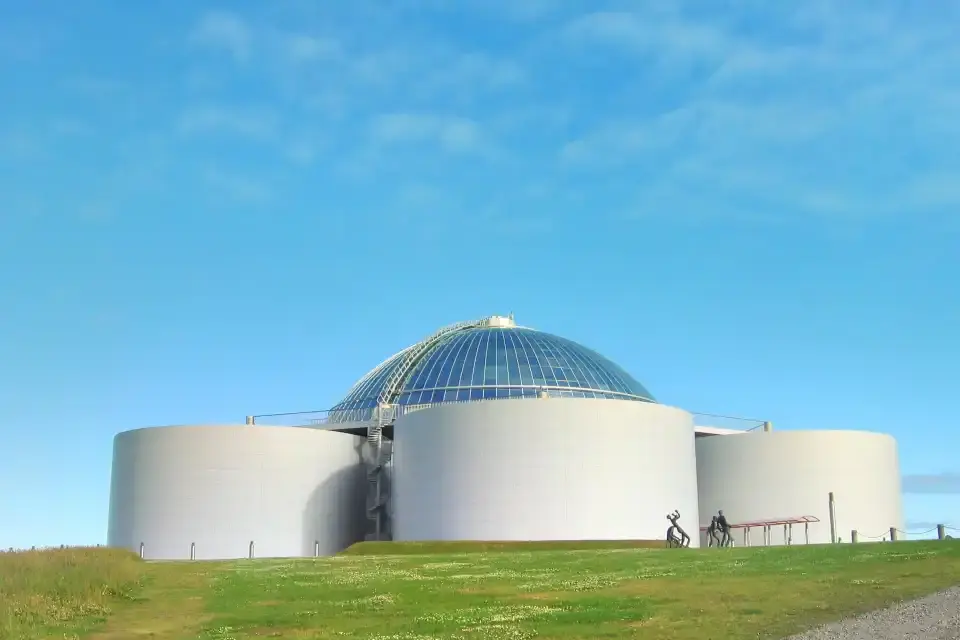
Perlan is the pearl-shaped glass dome on Öskjuhlíð hill above Reykjavík — and the country’s most clever answer to its own weather. Inside: a real ice cave built from over 350 tons of glacial ice, a planetarium show about the northern lights, exhibits on volcanoes, glaciers and seabirds, and a 360° observation deck across the capital’s rooftops, bay and mountains. It is the museum-experience hybrid that rescues the storm-day itinerary, and it runs #5 on the national ranking.
This is #5 of 39 in our Best Things to Do in Iceland guide (Trip.Best heat 7.6, 4.7/5 verified rating, and the list’s #1 night attraction badge). Below: what each exhibit delivers, how the ticket tiers work, the hours and access logistics, and the honest advice on when Perlan beats the real outdoors.
Key takeaways
- A real ice cave, indoors: the Wonders of Iceland exhibition includes a walk-in glacial ice cave held at −10°C — the year-round answer to the winter-only caves (#2).
- The planetarium show is the highlight: a dome-screen aurora film that is the closest thing to guaranteed northern lights in the country.
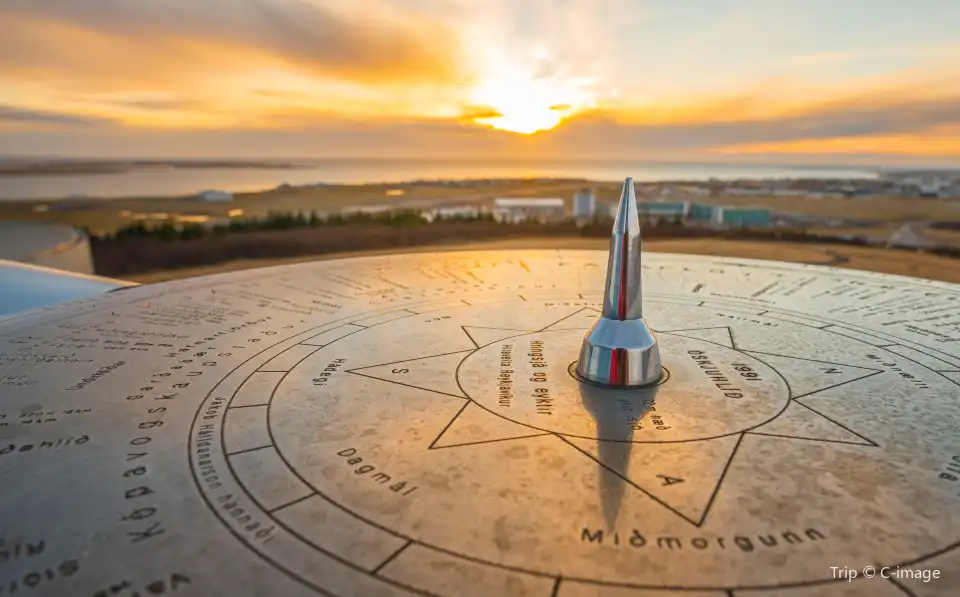
- The deck is free-standing value: 360° views over Reykjavík, Esja and the bay — worth the visit on its own on clear days.
- From ~US$58: typical “from” price on Trip.com (2026); tiered passes cover exhibits, planetarium and deck.
- The storm-day play: when wind closes the trails and the Ring Road is gray, Perlan converts the day into a top-five experience.
Quick answer: Give Perlan 2–3 hours: ice cave first (it is queue-managed and coldest in the morning), planetarium show second, exhibits at your own pace, deck last for the light. Book the combined pass rather than single exhibits, and aim for the day the forecast is worst — that is the day Perlan outperforms everything outdoors.
What is actually inside
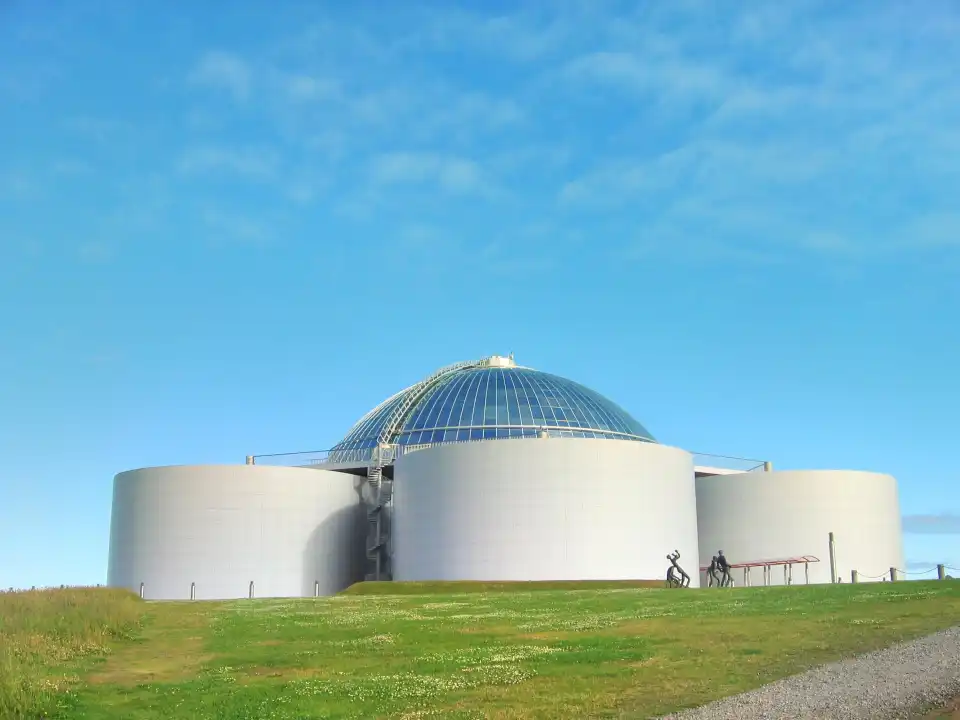
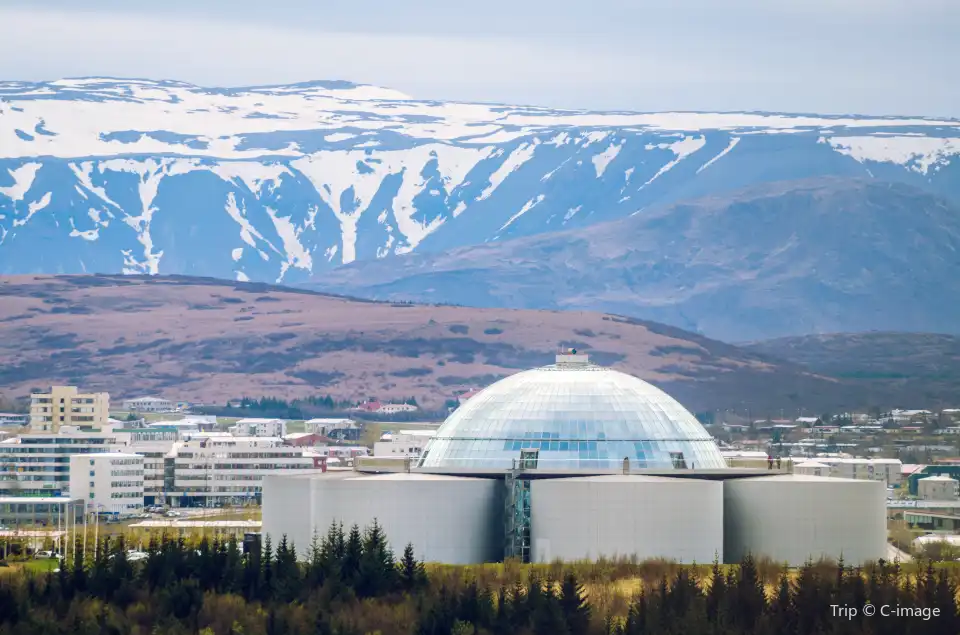
Perlan’s building is a landmark in itself: six hot-water storage tanks wearing a glass dome, on the hill that overlooks the capital. The exhibitions inside are the serious part. Wonders of Iceland wraps the glacier story around a real walk-in ice cave — carved from glacial ice, refrozen and maintained indoors, with the blue light, the textures and the −10°C of the real thing (coats provided). The ice tunnel is the exhibit people remember, and legitimately the best year-round ice experience in Iceland.
The Forces of Nature wing covers volcanoes, earthquakes and tectonics (the same rift story Þingvellir tells outdoors, told with simulators and a quake table); the seabird and coast exhibits bring the cliff colonies indoors. The planetarium’s aurora show is the flagship: a dome-filling film of real northern-lights footage with the science woven in — after seeing it, your actual aurora nights (#20 in the wild) make more sense. The observation deck crowns it all, 360° over the capital with the harbour, Esja and on clear days the Snæfellsnes glacier on the horizon.
The night-attraction badge: the Trip.Best list ranks Perlan as Iceland’s #1 night attraction — a nod to the planetarium show, the lit dome on the hill and the deck’s evening views. The 21:00 close makes it a genuine dark-hours stop, not just a daytime museum.
Tickets and the visiting rhythm
Admission is tiered: deck-only access is the budget option; the full pass covers ice cave, planetarium and all exhibitions. The “from US$58” figure on Trip.com reflects the full-experience tier at 2026 rates — deck-only runs less, family bundles exist. Everything is ticketed with timed planetarium showings; pick your show when you buy, then work the exhibits around it.
The visiting rhythm that works: arrive with 2.5–3 hours to spend, do the ice cave early (the queue builds through the day), catch the planetarium show, walk the exhibits, finish on the deck for whatever light remains. The café under the dome is a legitimate stop — floor-to-ceiling windows over the bay — and the hill itself (Öskjuhlíð) has walking paths and the old WWII bunkers for a leg-stretch after the exhibits.
Kids and the ice cave: children love the ice cave but the −10°C is real — hold small children’s hands on the slick floor and use the provided coats properly. The exhibitions are stroller-friendly throughout; the deck is elevator-accessible.
Hours, access and getting there
Hours run roughly 09:00–21:00 (seasonal variations; the planetarium schedule drives the late slots). Perlan sits on Öskjuhlíð, 10 minutes by bus or car from downtown — parking at the dome, city buses to the foot of the hill, and the coastal walking/cycling path system (the same route that reaches Nauthólsvík beach) runs past it. Combine with the Sun Voyager–Hallgrímskirkja blue-hour circuit (#19 of the photography list) for the full capital day.
The building’s history is worth knowing as you stand in it: the six hot-water tanks date from the 1960s–90s and still store the geothermal water that heats the city — Perlan is literally the capital’s thermos wearing a museum. The dome restaurant rotates once per hour… slowly. Accessibility is full (elevators throughout).
When Perlan wins
Perlan is weather-proof by design, which makes its calendar logic the inverse of everything else in Iceland: the worse the forecast, the better the relative value. Storm days, sideways-rain afternoons and the December dark hours are when it outshines the outdoor list. On the rare blue-sky summer day, go early or late — the deck rewards clear light, the exhibits absorb midday, and the city’s outdoor attractions take priority.
Seasonal notes: winter evenings pair the planetarium with real aurora chances afterward (check en.vedur.is on the way out); summer pairs the deck with the midnight-sun light that keeps the city glowing past midnight. The ice cave is identical year-round — which is exactly its point.
Field report: our team’s Perlan benchmark was a February gale day — roads gray, trails closed, and the dome full of visitors who would otherwise have been stranded. Ice cave, aurora show, hot chocolate on the deck watching 25 m/s gusts bend the trees below. Best worst-weather day of the year.
How it fits an Iceland route
Perlan slots into any capital day: morning whale sail (#4), afternoon Perlan, evening Harpa–Sun Voyager–Hallgrímskirkja circuit. It is also the pre-trip primer — doing Perlan on day one loads the glacier, volcano and aurora context that makes every outdoor stop afterward richer. Our Perlan deep-dive covers the exhibitions in full, and the Reykjavík city guide sequences the day.
Frequently asked questions
Is Perlan worth it for adults without kids?
Yes — the ice cave and planetarium are genuinely adult-grade experiences, not children’s museum filler. The deck on a clear evening is the capital’s best 360° view.
How long do you need at Perlan?
2–3 hours covers the full pass at a good pace: ice cave (~20 min), planetarium show (~25 min), exhibits (~60–90 min), deck and café.
Can you see real northern lights at Perlan?
The planetarium show is a film, not the sky — but it is shot from real Icelandic aurora footage and is the only guaranteed “lights” in the country. For the real thing, our aurora guide and the en.vedur.is forecast run the chase.
Is the ice cave real ice?
Yes — glacial ice carved and maintained indoors at a constant −10°C, refreshed regularly. It is the year-round, guide-free answer to the winter-only glacier caves.
Where this ranks — and what is next
Perlan is #5 of 39 in our Best Things to Do in Iceland guide — the full ranked list, built from Trip.Best traveler data, lives in one place.
Go deeper: The complete Perlan guide (exhibits, tickets, history), The real aurora: chasing the northern lights.
Sources & official references
- Trip.com listing for Perlan: price bands, hours, 4.7/5 rating (checked November 2026).
- Trip.Best ranking data: heat 7.6, #5 of 39; #1 night attraction badge (November 2026).
- Perlan operator information: exhibitions, ice cave specs, hours (checked 2026).
- Editorial visits across seasons including storm-day benchmarks, 2023–2026.
