







Iceland tolerates a great deal — storms, distances, latitude — but it forgives very little. A footprint pressed into moss can outlast your passport by decades, a tire track across lava field persists until the next eruption, and the freedoms visitors rightly love (open roads, open landscapes, roamable coasts) survive only because the rules beneath them are followed almost universally. Responsible travel here is not a lecture; it is the operating manual for the place you came all this way to see.
Our team holds itself to the standards in this guide because we keep coming back: the same canyon we photographed five years ago is still green because visitors walked the boardwalk; the same farm campsite still welcomes vans because travelers emptied their waste where they should. None of what follows costs you a single experience — in fact, most of it is the difference between seeing Iceland and being part of it. Here is how to travel this island in a way it can absorb.
Key takeaways
- Moss takes decades to recover: one footprint outlives one photo — marked paths and boardwalks are the only ethical route across living ground.
- Off-road driving is banned outright: it is treated as an environmental crime and punished with heavy fines.
- Camp where it is allowed: designated campsites and landowner permission keep the countryside open for everyone who follows.
- Water is the easy win: the tap is superb everywhere — refuse bottled water and refill at every stop.
- Give wildlife room: licensed operators, real distances, and no chasing puffins or whales for the shot.
Quick answer: stay on paths, keep vehicles on roads, camp on designated sites, pack out everything you packed in, follow the drone rules, shower before you swim, shorten the showers anyway, and buy local where it counts. Nearly everything sustainable in Iceland reduces to one habit: leave the ground and the water exactly as you found them.
Why Iceland is fragile
The fragility is counterintuitive — the landscapes look eternal, so the damage seems impossible — but the biology explains it. Subarctic growing seasons are short, soils are thin and volcanic, and the vegetation that survives here grows slowly and heals slowly. Moss blankets lava fields at a rate measured in millimetres per decade; a single footstep compresses it, a shortcut multiplies into a scar, and the scar persists long after the Instagram post is forgotten.
The flip side is encouraging: because the systems are simple, responsible behaviour is simple too. There is no complex offset calculus or certification maze to navigate — the island’s sustainability is mostly about where you put your feet, your tires and your trash. Visitors who internalize one sentence — the ground is alive even when it does not look it — already carry most of the guide.
Paths, moss & the off-road rule
The first rule outranks everything: stay on marked paths and boardwalks, even when the marked path is muddy, even when the unmarked line looks shorter, even when you are certain nothing can be harmed by one quick step. Boardwalks across moss fields and wetlands exist precisely because the ground beneath them is doing its slow, centuries-long work — and every detour around a muddy section extends the mud by a metre each year.
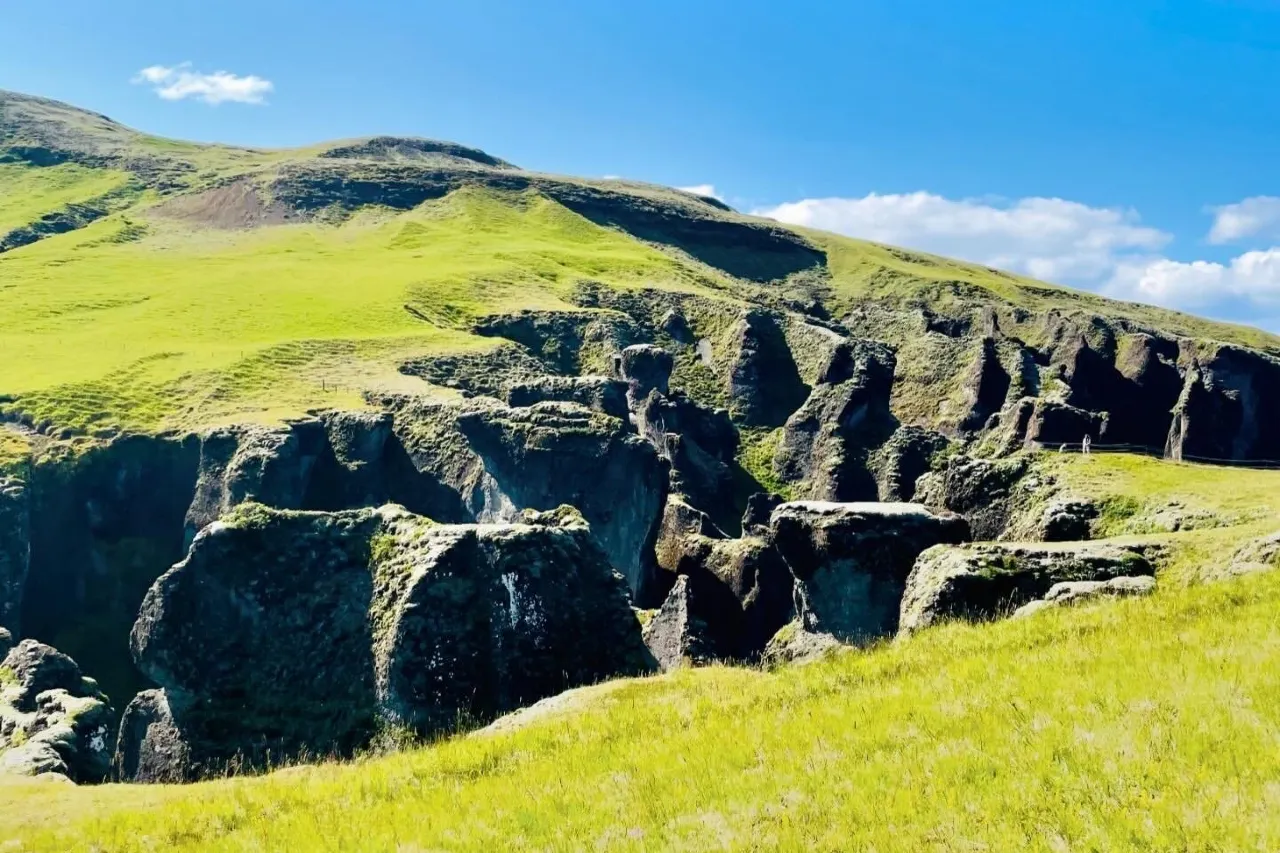
The driving rule is the same principle at vehicle scale, and it is enforced as law: driving off-road is illegal in Iceland, treated as an environmental crime and punished with heavy fines that grow with the damage. The tracks you occasionally see across moss are scars being investigated, not options. Stick to roads and marked tracks without exception — our camping & campervan guide covers how this applies to van travel specifically.
Camping & the right to roam
Iceland’s countryside access comes with an asterisk that modern visitors must read: the traditional freedom to roam the land now operates through rules designed to protect it. Tents and vehicles overnight in designated campsites; camping on private land happens with the landowner’s permission; and sleeping in cars outside campsites or urban areas is off the menu entirely. The system is not bureaucratic cruelty — it concentrates facilities, waste handling and impacts where the ground can absorb them.
The pleasant surprise is how well the system serves the traveler. The campsite network puts a legal bed within reach of nearly every highlight, municipal sites share ground with town pools, and farm campsites turn landowner permission into a glass of milk and a conversation about sheep. The right to roam survives here because guests behave like guests; our camping guide maps the sites and the rules in full.
Leave No Trace: rocks, trash & geothermal features
Leave No Trace translates into three specific Icelandic behaviours. First, trash: pack out everything you packed in — remote sites have no bins, wrappers escape in wind famously fast, and a single plastic bag on a moss field outlives several generations of visitors. Second, rocks: do not stack cairns for fun and do not pocket souvenirs — removing rocks from protected areas is prohibited, and those tidy stone towers along trails misdirect hikers and disturb ground that was doing fine.
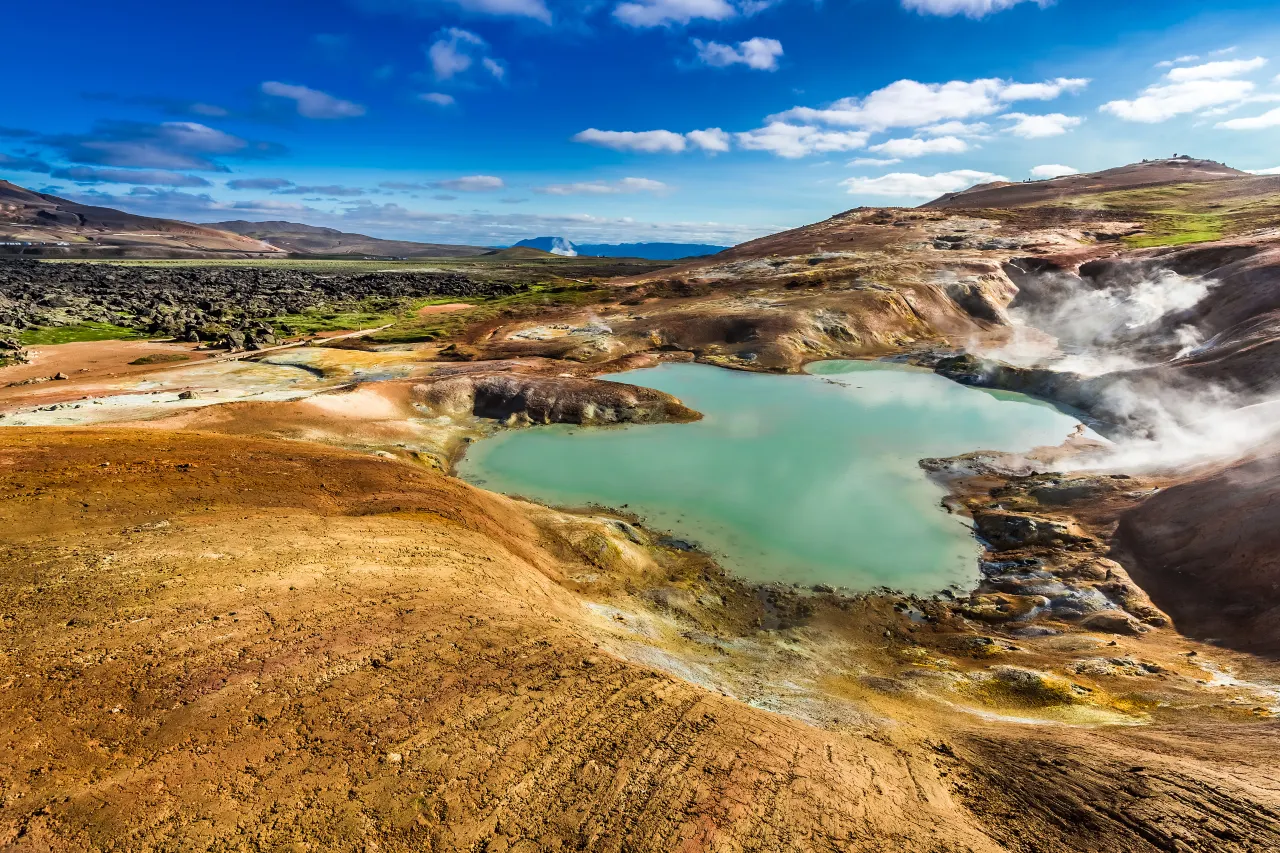
Third, geothermal features: leave them exactly where nature built them. The pools, mud pots and mineral crusts are not picturesque rocks — they are living plumbing, and a dropped stone or a footstep on fragile crust damages systems that took millennia to form. The rule that covers all three behaviours: photographs yes, souvenirs no, and the site you leave behind should be indistinguishable from the site you found.
Wildlife distance & ethical tours
Iceland’s wildlife experiences run on boats and binoculars, and the ethical versions share one trait: the animal sets the terms. Whale watching from licensed operators means engines that mind the distance, crews that know when a humpback wants its privacy, and the understanding that a distant fluke is the real encounter — not a chase. Puffins are the same deal on land: observe from the paths, keep noise down, and never corner a burrow for a close-up, because a stressed puffin is a fox-and-gull magnet.
The decision rule for tours is simple: choose licensed, established operators whose guides talk about distance and behaviour unprompted. The best crews in Húsavík and Reykjavik make ethics part of the show — and the puffin guide and whale watching guide name what to look for. If an operation promises “getting closer than anyone else”, that sentence is the red flag.
Water, energy & buying local
The easiest sustainability win in Europe is hiding in the taps: Iceland’s water is glacially filtered, superb and free at every faucet, so refuse the bottled version permanently and carry one refillable bottle for the whole trip. The energy story is similarly generous — nearly all of Iceland’s electricity comes from hydro and geothermal sources — but green supply is not a licence for waste: hot water here is genuinely abundant and genuinely precious, so keep the long showers to a polite length even when the pool-sized flow tempts you.
Buying local is the third lever, and it is enjoyable rather than sacrificial: Icelandic wool from the wool & shopping guide‘s vetted sources, farmstead food, local roasters and the fish actually landed here. Money spent with producers and small-town kitchens does more for the places you visit than any imported souvenir ever will — and the lamb soup tastes better in the town where the sheep grazed.
Photography ethics & closures
Camera culture is the newest pressure on fragile ground, because the perfect angle and the marked path do not always agree — and when they disagree, the path wins. No shot requires trampling moss, crossing a barrier or edging along a cliff rim; the photographs that look like the photographer risked everything are, at best, borrowed drama. If a rail, rope or sign stands between you and the composition, the composition is not worth it.
Closures prove the point. Fjaðrárgljúfur — the moss-walled canyon near Kirkjubæjarklaustur — closed temporarily in 2019 after crowding and off-trail trampling outpaced the ground’s ability to recover, reopening only with boardwalks and patience. The lesson is not that visitors are villains; it is that a place can love its guests to death, and that the closure list is a real consequence rather than a theoretical one. Follow closures instantly, and the next visitor inherits the same green canyon you did.
Carbon, community & giving back
Honestly told, the largest footprint of an Iceland trip is the flight, and no pool shower shortening erases it. What offsets the math is trip design: stay longer and go deeper rather than sprinting, drive efficiently with full passes and fewer engine-starts, share vehicles where you can, and let the train of day trips become one coherent route. A ten-day trip taken well does not owe the sky much more than three rushed ones — and it gives the traveler more of the country anyway.
The community layer is quieter but real: shower before you swim so the pools stay clean for everyone, respect quiet hours at campsites from late evening, treat the countryside as someone’s workplace and home ground, and if you want to give back, look for organized clean-up and trail-maintenance days during your stay — a few hours with a rubbish bag buys more goodwill than any hashtag. And when the kids ask what responsible travel means, teach them the three rules as games — the next generation learns them fastest.
Frequently asked questions
Can I take a rock or shell home from Iceland?
No. Removing rocks from protected areas is prohibited, and geothermal features, beach stones and moss-field souvenirs all fall under the same principle: the landscape is the exhibit, and the exhibit stays. Photographs and wool sweaters travel home just as well.
Is bottled water necessary in Iceland?
No — tap water is glacier-grade and free everywhere, including petrol stations and campsites. One refillable bottle covers the whole trip, saves money, and removes the most common piece of litter the wind loves to relocate.
Where can I fly a drone responsibly?
Within the national rules: maximum 120 metres altitude, within line of sight, at least 150 metres from public buildings, and never in national parks without permits. Add distance from wildlife, obey site signage, and skip the flight when the area is busy — a drone over a full boardwalk bothers two species at once.
Why did Fjaðrárgljúfur close in 2019?
Crowding and off-trail trampling had damaged the mossy vegetation faster than it could recover, so the canyon closed temporarily to let the ground rest, reopening with reinforced paths. It remains the clearest local example that closures are about recovery, not exclusion.
What is the single most impactful habit for visitors?
Stay on marked paths — with the off-road driving ban as its vehicle-scale twin. Nearly every ecological problem tourists cause starts with ground that was not meant to hold them; nearly every solution starts with the boardwalk under your feet.
Travel like a regular
The Trip Planner builds your route around the campsites, paths and operators that keep Iceland green — and the camping guide does the same for van trips.
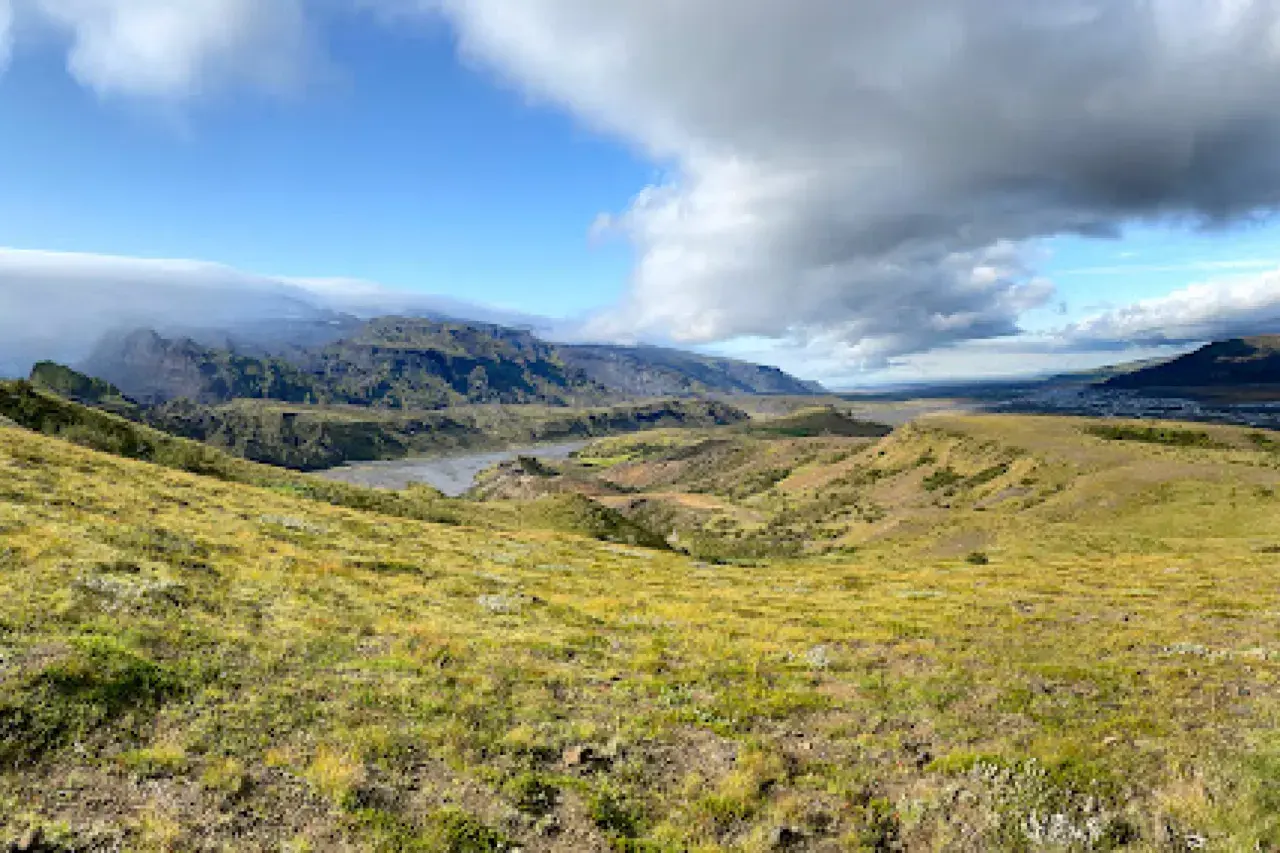
Put the principles to work on foot in the Þórsmörk hiking guide, stretch the trip budget responsibly with the budget guide, and browse reader field notes from paths well walked in the blog. The island repays every bit of care with the same scenery, next year and the year after.
Sources & official references
- Trip.com Iceland travel tips (checked 2026): moss-fragility guidance, off-road penalties, rock-removal prohibitions and wildlife-distance advice.
- Official services: safetravel.is (outdoor conduct and alerts), road.is (road rules and closures), en.vedur.is (conditions).
- National park visitor information: protected-area rules for rocks, geothermal features and drone restrictions.
- Editorial visits and trail experience 2024–2026 by the Iceland Travel Guides team.
