







When travelers compile their list of things to do in Iceland, the striking silhouette of Hallgrímskirkja often tops the Reykjavik itinerary. This monumental Lutheran church dominates the capital’s skyline with its distinctive twin towers and basalt-inspired architecture, making it one of the most recognizable landmarks in the Nordic region. Whether you are drawn by its architectural brilliance, panoramic city views, or cultural significance, Hallgrímskirkja Reykjavik offers an experience that connects visitors to the heart of Icelandic heritage.
This comprehensive guide will walk you through everything you need to know about visiting Hallgrímskirkja, from its fascinating history and design to practical visiting information, photography tips, and nearby attractions. Whether you are a first-time visitor to Iceland or a returning traveler seeking deeper cultural experiences, this post will ensure you make the most of your visit to this iconic Reykjavik church.
What is Hallgrímskirkja?
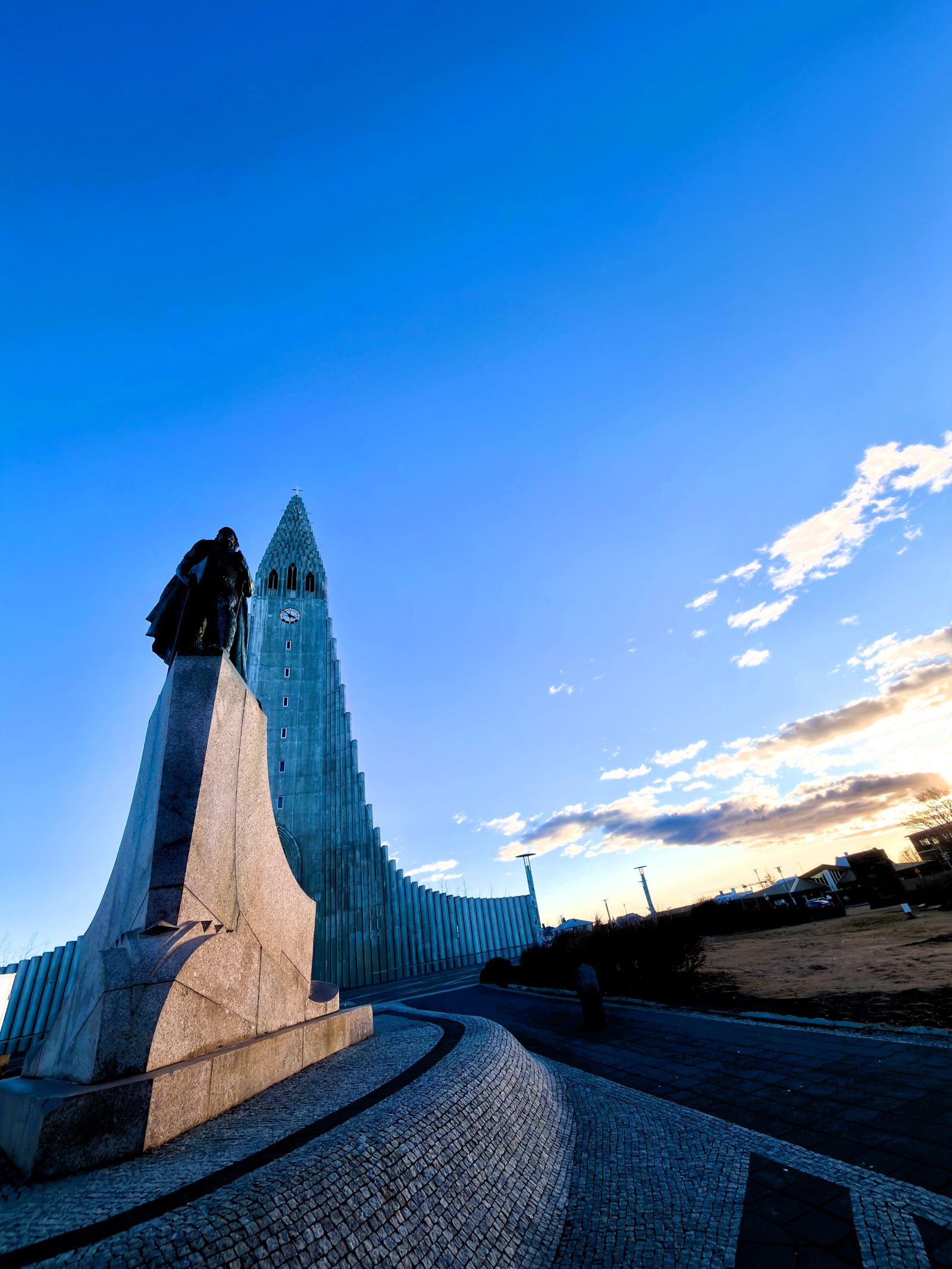
Hallgrímskirkja, officially known as the Hallgrímur Church, is a Lutheran parish church located in the center of Reykjavik, Iceland. Named after the 17th-century Icelandic poet and clergyman Hallgrímur Pétursson, this architectural masterpiece stands 74.5 meters (244 feet) tall, making it one of the tallest structures in Iceland.
The church serves as both an active place of worship and a major tourist attraction. Its unique design, inspired by Iceland’s natural landscapes, sets it apart from traditional European church architecture. The building’s concrete structure features geometric patterns that mimic the hexagonal basalt columns found throughout Iceland, particularly at famous sites like Svartifoss waterfall and the Giant’s Causeway.
Beyond its religious function, Hallgrímskirkja has become a symbol of Reykjavik and a gathering point for national celebrations, concerts, and cultural events. The church’s central location makes it an ideal starting point for exploring the capital city.
History and Construction
Understanding the history of Hallgrímskirkja adds depth to your visit. This is not just a church; it is a testament to Icelandic determination and artistic vision.
The Vision
The idea for a new, larger church in Reykjavik emerged in the early 20th century. The existing Reykjavik Cathedral was considered too small for the growing congregation. In 1937, a competition was held to design the new church, and architect Guðjón Samúelsson won with his groundbreaking design.
Architectural Inspiration
Samúelsson’s design was revolutionary. Rather than following traditional Gothic or Romanesque church styles, he drew inspiration from Iceland’s natural geology. The hexagonal basalt columns that form the facade were designed to reflect the organic columnar jointing found in volcanic rock across the country. This connection between architecture and landscape makes Hallgrímskirkja uniquely Icelandic.
Construction Timeline
| Year | Milestone |
|---|---|
| 1937 | Design competition won by Guðjón Samúelsson |
| 1945 | Construction begins |
| 1974 | Main structure completed |
| 1986 | Twin towers added |
| 1990s | Interior renovations and organ installation |
The construction took nearly 50 years to complete, spanning multiple decades of Icelandic history. The prolonged timeline was due to funding challenges, World War II disruptions, and the complexity of the design. Despite these obstacles, the church was finally consecrated and has stood as a landmark ever since.
Hallgrímur Pétursson
The church is named after Hallgrímur Pétursson (1614-1674), one of Iceland’s most beloved religious figures. He was a Lutheran minister and poet, best known for writing the “Passion Hymns” (Passíusálmar), a collection of 50 hymns reflecting on the suffering of Christ. These hymns remain an important part of Icelandic religious tradition and are still read during Lent.
A statue of Hallgrímur Pétursson stands in front of the church, created by sculptor Einar Jónsson. The statue depicts the poet holding a book, honoring his literary and spiritual contributions to Icelandic culture.
Architecture and Design Features
The architectural significance of Hallgrímskirkja cannot be overstated. It represents a unique blend of modernism, expressionism, and Icelandic naturalism.
Exterior Design
Twin Towers: The most striking feature of Hallgrímskirkja is its twin towers that rise symmetrically on either side of the main entrance. These towers frame the central spire and create a distinctive silhouette visible from many parts of Reykjavik.
Basalt Column Facade: The concrete exterior is molded to resemble hexagonal basalt columns. This design choice connects the building to Iceland’s volcanic origins and creates a textured surface that changes appearance throughout the day as light shifts across the geometric patterns.
Central Spire: Rising between the twin towers, the central spire reaches 74.5 meters, making it a navigation landmark for both locals and visitors. The spire is topped with a cross that glows when illuminated at night.
Entrance Portal: The main entrance features a large bronze door with religious motifs. Above the door, you will find inscriptions and decorative elements that reflect Lutheran theology and Icelandic craftsmanship.
Interior Design
Stepping inside Hallgrímskirkja reveals a spacious, light-filled nave that contrasts with the textured exterior.
The Nave: The main worship area can accommodate over 1,000 people. High ceilings and large windows allow natural light to flood the space, creating a serene atmosphere. The minimalist design focuses attention on the altar and pulpit.
The Altar: The altar is simple yet elegant, featuring a large crucifix and candle arrangements. The design follows Lutheran traditions of modesty and focus on the word of God rather than ornate decoration.
Stained Glass: While not as elaborate as Catholic cathedrals, Hallgrímskirkja features tasteful stained glass windows that add color and spiritual symbolism to the interior. The windows depict biblical scenes and Icelandic religious motifs.
The Organ: One of the interior highlights is the magnificent pipe organ, built by the German company Johannes Klais Orgelbau. With over 5,000 pipes, it is one of the largest organs in Iceland. The organ is used for regular services, concerts, and special events.
Seating: Wooden pews are arranged in a traditional layout, providing ample seating for worshippers and visitors. The wood adds warmth to the otherwise concrete and stone interior.
Visiting Hallgrímskirkja: Practical Information
Planning your visit to Hallgrímskirkja Reykjavik requires some practical knowledge. Here is everything you need to know before you go.
Opening Hours
Hallgrímskirkja operates on a schedule that balances tourism with its function as an active church.
Church Interior:
- Monday to Saturday: 9:00 AM to 5:00 PM (varies by season)
- Sunday: Services take priority; tourist access may be limited
- Winter hours may be shorter; check ahead during November to February
Tower Access:
- Monday to Saturday: 9:00 AM to 4:30 PM
- Sunday: Limited or closed
- Last entry typically 30 minutes before closing
Note: Hours can change due to religious services, holidays, or special events. Always verify the current schedule before your visit.
Admission Fees
Church Interior: Free entry for prayer and quiet visitation. Donations are welcome and support the maintenance of this historic building.
Tower Access: There is a fee to climb the tower for panoramic views.
- Adults: Approximately 1,000-1,200 ISK
- Children/Seniors: Discounted rates available
- Family tickets may be offered
Note: Prices are subject to change. Check the official information desk for current rates.
How to Get There
Location: Hallgrímskirkja is located at Skólavörðuholt 10, 101 Reykjavik, in the city center.
Walking: If you are staying in downtown Reykjavik, the church is within walking distance from most hotels and attractions. The walk uphill to the church offers nice views of the city.
Bus: Several city bus lines stop near Hallgrímskirkja. Routes 1, 3, 4, 5, 6, 11, 12, 13, and 14 all have stops within a short walk. Purchase a Reykjavik City Card or single-ride ticket from the driver.
Car: Limited street parking is available near the church. Several paid parking garages are located within a few blocks. Be mindful of parking restrictions and fees.
Tour: Many Reykjavik city tours include Hallgrímskirkja as a stop. This is a convenient option if you prefer guided commentary and transportation.
訪れるのに最適な時期
Time of Day:
- Morning (9:00 AM to 11:00 AM): Fewer crowds, better light for interior photography
- Midday (11:00 AM to 2:00 PM): Busiest period; expect tour groups
- Afternoon (2:00 PM to 4:00 PM): Moderate crowds; good light for tower views
- Evening: Church may be closed, but exterior lighting creates beautiful photo opportunities
Season:
- Summer (June to August): Longest daylight hours; most crowded; all facilities open
- Winter (November to February): Fewer tourists; shorter hours; potential for snow-covered views from the tower
- Shoulder Season (April-May, September-October): Good balance of daylight and crowds
Special Events:
- Christmas Eve: Special services with large attendance
- Easter: Passion Hymns readings honoring Hallgrímur Pétursson
- New Year’s Eve: Fireworks visible from the tower area
- Culture Night (August): Special events and extended hours
Climbing the Tower: What to Expect
One of the highlights of visiting Hallgrímskirkja is ascending the tower for panoramic views of Reykjavik and beyond.
The Climb
Steps: Approximately 140 steps lead to the observation deck. There is no elevator, so visitors must be able to climb stairs.
Difficulty: Moderate. The stairs are well-maintained but can be steep. Take your time and rest on landings if needed.
Accessibility: The tower is not wheelchair accessible due to the stair-only access. Those with mobility limitations can still enjoy the church interior and exterior grounds.
Views from the Top
Once you reach the observation deck, you will be rewarded with 360-degree views of Reykjavik and the surrounding landscape.
What You Can See:
- Downtown Reykjavik: Colorful rooftops and historic buildings spread out below
- Harbor: The old harbor and cruise ship terminals
- Mountains: Surrounding peaks including Esja to the north
- Ocean: Faxaflói Bay stretching to the horizon
- Landmarks: Spot other Reykjavik attractions like Harpa, Perlan, and the Sun Voyager sculpture
Photography Tips:
- Bring a wide-angle lens for cityscape shots
- Visit during golden hour for warm lighting
- Clear days offer the best visibility; check weather forecasts
- Tripods may not be allowed; check with staff
- Protect your camera from wind at the top
Tower Experience Duration
Plan for approximately 30 to 45 minutes for the tower experience, including climbing time, viewing, and descending. Combine this with 30 to 60 minutes exploring the church interior for a complete visit.
Church Services and Events
As an active Lutheran parish, Hallgrímskirkja hosts regular religious services and cultural events throughout the year.
Regular Services
Sunday Services:
- Main service typically at 11:00 AM
- Additional services during Advent and Lent
- Services are conducted in Icelandic
- Visitors are welcome to attend respectfully
Weekday Services:
- Occasional weekday prayers and special services
- Check the church bulletin or website for schedules
Concerts and Music
The church’s exceptional acoustics and magnificent organ make it a premier venue for classical music concerts.
Organ Concerts: Regular recitals featuring local and international organists Choral Performances: Icelandic choirs perform throughout the year Special Events: Christmas concerts, Easter performances, and cultural celebrations
Attending Concerts:
- Tickets can be purchased in advance or at the door
- Concert schedules are posted on the church website
- Arrive early for the best seating
- Photography may be restricted during performances
Weddings and Baptisms
Hallgrímskirkja is a popular venue for Icelandic weddings and baptisms. If you encounter a ceremony during your visit, please be respectful and quiet. Tourist access may be temporarily restricted during private events.
Photography at Hallgrímskirkja
For photographers, Hallgrímskirkja Reykjavik offers endless opportunities for stunning images. Here is how to capture the church at its best.
Exterior Photography
Best Angles:
- Front Facade: Capture the twin towers and basalt column design from the plaza
- Side Views: Show the full height of the building from adjacent streets
- Statue Inclusion: Include the Hallgrímur Pétursson statue in foreground compositions
- Night Shots: The illuminated church creates dramatic evening images
Best Times:
- Golden Hour: Sunrise and sunset provide warm, directional light
- Blue Hour: Twilight creates beautiful contrast between the lit church and dark sky
- Overcast Days: Soft, even light reduces harsh shadows on the textured facade
Interior Photography
Allowed: Photography for personal use is generally permitted inside the church Restrictions: No flash photography during services; be respectful of worshippers Best Shots:
- The nave looking toward the altar
- The pipe organ and loft area
- Stained glass windows with backlighting
- Architectural details of columns and ceilings
Tower Photography
Cityscapes: Capture Reykjavik’s colorful rooftops and harbor Panoramas: Stitch multiple images for wide panoramic views Landmarks: Identify and photograph notable buildings and natural features Selfies: The observation deck provides great backdrop opportunities
Equipment Recommendations
- Wide-Angle Lens: Essential for interior and exterior architecture shots
- Tripod: Useful for low-light and night photography (check restrictions)
- Polarizing Filter: Reduces glare and enhances sky contrast
- Extra Batteries: Cold weather can drain batteries quickly in winter
Nearby Attractions to Combine With Your Visit
Hallgrímskirkja’s central location makes it easy to combine with other Reykjavik attractions for a full day of exploration.
Walking Distance Attractions
Laugavegur Shopping Street:
- Distance: 5 minutes walk
- Reykjavik’s main shopping and dining street
- Boutiques, restaurants, bars, and cafes
- Perfect for lunch after your church visit
Harpa Concert Hall:
- Distance: 10 minutes walk
- Stunning glass architecture
- Concerts and events throughout the year
- Restaurant with harbor views
The Sun Voyager Sculpture:
- Distance: 15 minutes walk along the waterfront
- Iconic steel sculpture resembling a Viking ship
- Excellent photo opportunities with mountain backdrop
- Free to visit
Reykjavik Art Museum:
- Distance: 10 minutes walk
- Three locations across the city
- Contemporary and historical Icelandic art
- Check current exhibitions before visiting
Parliament House (Alþingi):
- Distance: 5 minutes walk
- Historic government building
- Guided tours available
- Learn about Icelandic democracy
Tjörnin Lake:
- Distance: 5 minutes walk
- Scenic pond in the city center
- Walking paths and bird watching
- Beautiful in all seasons
Museums and Culture
National Museum of Iceland:
- Distance: 15 minutes walk or short bus ride
- Comprehensive Icelandic history exhibits
- Artifacts from settlement to modern times
- Allow 2-3 hours for full visit
Reykjavik City Museum:
- Multiple locations including Árbær Open Air Museum
- Learn about Reykjavik’s development
- Family-friendly exhibits
- Combined tickets available
Phallological Museum:
- Distance: 10 minutes walk
- Unique museum dedicated to penises
- Quirky Reykjavik experience
- Small but memorable visit
Food and Dining
Cafes Near Hallgrímskirkja:
- Kaffi Vinyl: Music-themed cafe with vinyl records
- Mokka Kaffi: Historic coffee shop since 1958
- Reykjavik Roasters: Specialty coffee and light meals
Restaurants:
- Fish Market: Fresh Icelandic seafood
- Grillmarkaðurinn: Modern Icelandic cuisine
- Bæjarins Beztu Pylsur: Famous hot dog stand
Bakeries:
- Brauð & Co.: Artisan breads and pastries
- Sandholt Bakery: Traditional Icelandic baked goods
Practical Tips for Tourists
Maximize your Hallgrímskirkja experience with these practical recommendations.
Dress Code
While there is no strict dress code, respectful attire is appreciated when visiting an active church.
- Avoid overly revealing clothing
- Remove hats upon entering
- Quiet behavior is expected
Facilities
Restrooms: Available near the entrance area Gift Shop: Church souvenirs, religious items, and Icelandic crafts Information Desk: Staff can answer questions and provide maps Donation Box: Contributions support church maintenance
Language
Signage: Most information is available in both Icelandic and English Staff: Church staff and volunteers typically speak English Services: Conducted in Icelandic; printed materials may be available in other languages
Safety
Tower Climb: Hold handrails; watch your step on stairs Weather: Dress appropriately for outdoor waiting areas Belongings: Keep valuables secure; use provided storage if available Children: Supervise children closely, especially on the tower
Connectivity
WiFi: Limited or unavailable inside the church Cell Service: Generally good in the area Charging: No public charging stations; bring portable battery
Hallgrímskirkja in Icelandic Culture
Understanding the cultural significance of Hallgrímskirkja enhances your appreciation of this landmark.
National Symbol
Hallgrímskirkja has become an unofficial symbol of Reykjavik and Iceland. Its image appears on:
- Postcards and souvenirs
- Travel brochures and websites
- Artwork and photography
- Media representations of Iceland
Religious Significance
As the largest church in Iceland, Hallgrímskirkja plays an important role in the national Lutheran Church. Major religious events and national services are held here, including:
- State funerals
- National day celebrations
- Ordination ceremonies
- Ecumenical services
Cultural Gatherings
Beyond religious functions, the church serves as a community gathering space:
- Concerts and musical performances
- Lectures and educational events
- Memorial services for national figures
- Cultural celebrations and festivals
Architectural Legacy
Guðjón Samúelsson’s design has influenced Icelandic architecture for generations. The integration of natural forms into modern construction remains a hallmark of Icelandic design philosophy.
Frequently Asked Questions (FAQ)
Q: Is Hallgrímskirkja free to visit? A: Entry to the church interior is free. There is a fee for tower access. Donations are welcome.
Q: How long does it take to visit Hallgrímskirkja? A: Plan for 1 to 1.5 hours total, including church interior and tower climb.
Q: Can I take photos inside the church? A: Yes, personal photography is allowed. No flash during services. Be respectful of worshippers.
Q: Is the tower wheelchair accessible? A: No, the tower requires climbing approximately 140 steps with no elevator option.
Q: Are there guided tours available? A: Self-guided visits are standard. Guided tours may be available through external tour operators.
Q: What is the best time to avoid crowds? A: Early morning (9:00-10:00 AM) or late afternoon (after 3:00 PM) on weekdays.
Q: Can I attend a church service as a tourist? A: Yes, visitors are welcome to attend services. Please dress respectfully and follow service etiquette.
Q: Is there a gift shop at Hallgrímskirkja? A: Yes, a small shop sells souvenirs, religious items, and Icelandic crafts.
Q: Are dogs allowed inside the church? A: Service animals are permitted. Pets are generally not allowed inside.
Q: What happens if there is a wedding during my visit? A: Tourist access may be temporarily restricted. Check the schedule in advance if possible.
Q: Can I climb the tower in winter? A: Yes, the tower is open year-round, weather permitting. Dress warmly for the observation deck.
Q: Is there an audio guide available? A: Some tours offer audio guides. Check with the information desk for availability.
Q: How tall is Hallgrímskirkja? A: The church stands 74.5 meters (244 feet) tall, making it one of Iceland’s tallest structures.
Q: Who designed Hallgrímskirkja? A: Architect Guðjón Samúelsson won the design competition in 1937.
Q: When was Hallgrímskirkja completed? A: Construction began in 1945 and was largely completed in 1986 with the addition of the twin towers.
Conclusion: A Must-Visit Reykjavik Landmark
Hallgrímskirkja Reykjavik stands as more than just a church; it is a symbol of Icelandic identity, architectural innovation, and cultural heritage. Whether you climb the tower for sweeping city views, attend a concert in the magnificent nave, or simply admire the basalt-inspired facade from the plaza, this iconic landmark offers experiences that resonate with visitors long after they depart.
When compiling your list of things to do in Iceland, Hallgrímskirkja deserves a prominent place. Its central location, free interior access, and cultural significance make it an accessible and rewarding attraction for all types of travelers. From architecture enthusiasts to photography lovers, from religious pilgrims to casual tourists, everyone finds something meaningful within these walls.
Remember to visit respectfully, as this remains an active place of worship for the local community. Take time to appreciate the craftsmanship, learn about Hallgrímur Pétursson’s legacy, and capture the memories that will remind you of your time in the Land of Fire and Ice.
Your journey to Hallgrímskirkja is more than a tourist stop; it is a connection to Iceland’s soul. Stand beneath the twin towers, gaze out from the observation deck, and let this magnificent church inspire you as it has inspired countless visitors before.
Quick Visit Checklist
Before you go, make sure you have:
- Checked current opening hours
- Verified tower access availability
- Brought cash/card for tower fee
- Worn comfortable walking shoes
- Dressed respectfully for church visit
- Charged your camera and phone
- Checked weather forecast for tower views
- Planned nearby attractions to combine
- Reviewed photography guidelines
- Allowed 1-1.5 hours for full visit
With this guide in hand, you are ready to experience one of Reykjavik’s most treasured landmarks. Enjoy your visit to Hallgrímskirkja!
