



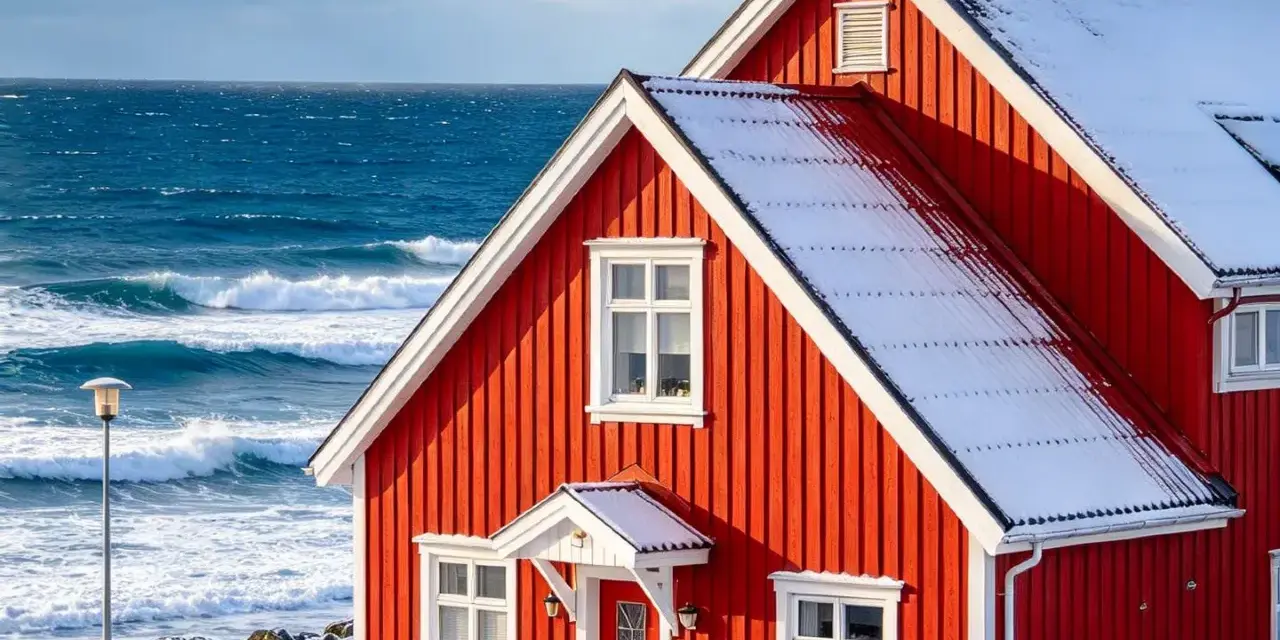
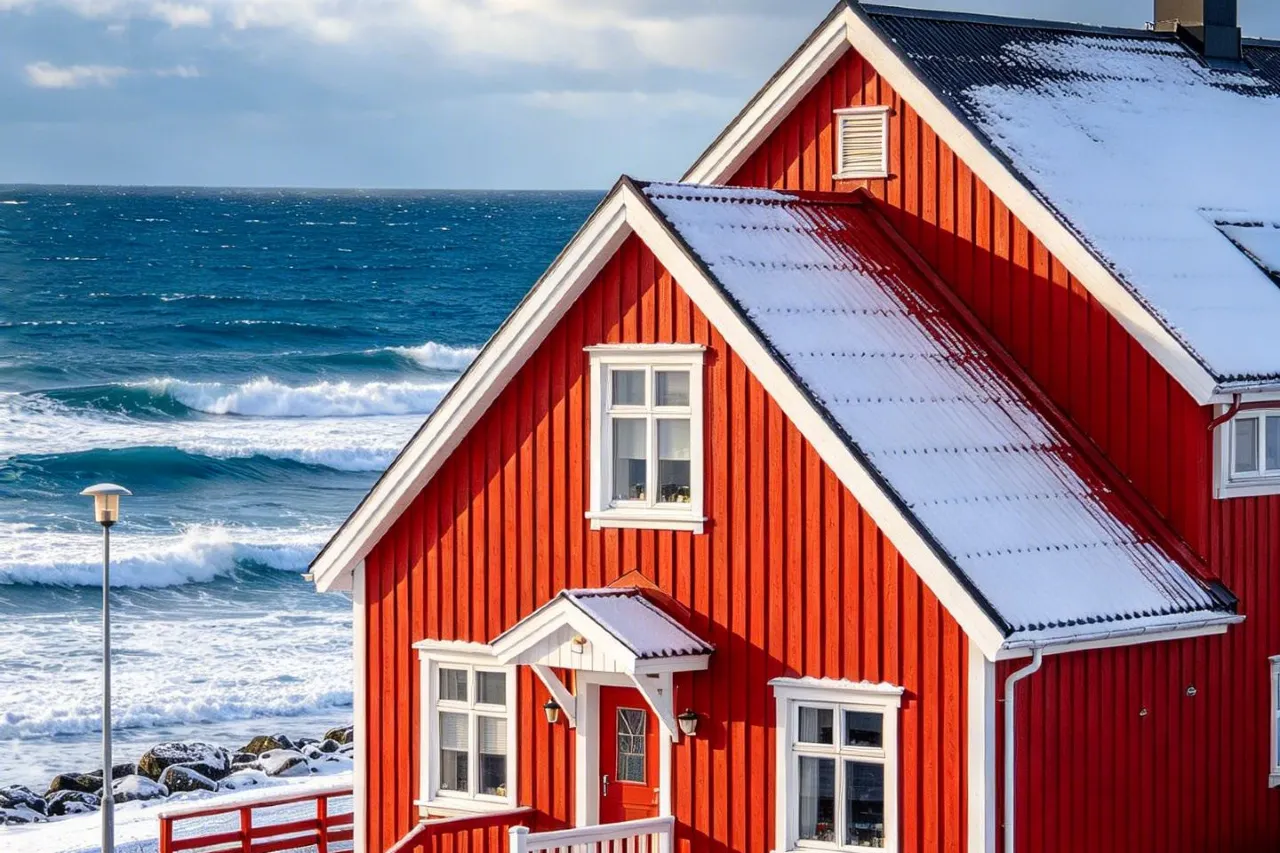
Iceland in December is a country run on light. The sun scrapes the horizon for four to five hours, the blue hour stretches into a national mood, and every window, lamp-post and garden string fights back against the dark. Into that darkness the Icelanders have poured some of the most distinctive Christmas traditions in Europe: thirteen mischievous Yule Lads who arrive one by one, a predatory Christmas Cat, and a national gift culture that revolves around books read by candlelight. Then, on New Year’s Eve, the whole country catches fire — literally, joyfully, with fireworks that fund volunteer rescue teams. Our team has spent several Decembers here, from storm-lashed Reykjavik streets to the glowing calm of Akureyri, and this guide assembles what we wish someone had told us: the folklore behind the season, the exact holiday calendar, and the honest logistics of visiting at the darkest, coziest, most atmospheric time of year.
Key takeaways
- Thirteen Yule Lads, thirteen nights: trollish gift-bringers arrive one per night from December 12 through December 24, ending with the Candle-Stealer on Christmas Eve.
- Christmas Eve (Aðfangadagur) is the main event: family dinner, gift exchange and the national Book Flood ritual — books opened and read through the night with chocolate.
- Folklore runs deep: the Christmas Cat punishes those without new clothes, and Hafnarfjörður is the town most associated with hidden folk and elves.
- New Year’s Eve is a fireworks festival: community bonfires plus amateur displays on every street — fireworks are sold to raise funds for volunteer search-and-rescue teams.
- December travel is special but demanding: 4–5 hours of daylight, real storm risk, magical blue-hour light and genuine aurora chances.
Quick answer: come for the Yule Lads, the Book Flood and the bonfires. Book accommodation well ahead, plan short daylight days with one indoor fallback each, chase the aurora on any clear night, and if you only have one unmissable evening, choose New Year’s Eve: a neighborhood bonfire followed by the city-wide fireworks after midnight is the most Icelandic night of the year.
The thirteen Yule Lads
Forget the single omniscient Santa model — Iceland counts its Christmas gift-bringers in bulk and grades them on mischief. The jólasveinar, the Yule Lads, are trollish figures who descend from the mountains one per night in the thirteen days before Christmas, arriving between December 12 and December 24. Traditionally they were petty thieves and pranksters who stole from farm households through the dark weeks; the modern version leaves small gifts in children’s shoes on windowsills, one lad per night, with the naughtiness retained as flavor rather than threat.
Their names read like a hall of fame for minor crimes. There is Hurðaskellir, the Door-Slammer, who wakes the house at night with his hobby. Þvörusleikir, the Spoon-Licker, sneaks in to lick utensils clean. Bjúgnakrækir, the Sausage-Swiper, makes off with smoked sausages from the rafters. Gluggagægir, the Window-Peeper, peers in to see what is worth stealing. Skyrgámur, the Skyr-Gobbler, raids the skyr tubs. Ketkrókur hooks meat with his hook, and the last lad of all, Kertasníkir — the Candle-Stealer — arrives on Christmas Eve itself, chasing candles to eat their tallow. Thirteen in all, each with a personality any family can name on sight.
For travelers, the Yule Lads are everywhere in December: window displays, children’s books, town events and bakery counters. Learning to recognize two or three of them turns every Christmas-market stroll into a scavenger hunt — and gives you the story behind the sweaters and ornaments sold in every shop from here to January.
The Christmas Cat and other midwinter legends
The Yule Lads come with family. Most famous is Jólakötturinn, the Christmas Cat, an enormous feline of folklore said to prowl the countryside and eat anyone who received no new clothes before Christmas. The legend served a purpose: wool work had to be finished and garments distributed before the deep winter, and the Cat made procrastination a matter of survival. It is one of the great “motivational folklore” stories anywhere in the world, and it explains why a new item of clothing remains a classic Icelandic Christmas gift to this day.
Beyond the Cat, midwinter is the season of the hidden folk. Hafnarfjörður, just south of the capital, is the town most famously associated with elves and the huldufólk — hidden people who live in rocks and lava fields, and with whom construction plans are still, on occasion, politely negotiated. In December the theme surfaces in walks, exhibitions and storytelling events that treat the subject with a straight face and a wink at once. Whether you are a believer or not, the elf folklore is a genuine and living part of how many Icelanders narrate their own landscape — and Christmas, the darkest season, is when it is told best.
Worth knowing: this folklore is shared in the spirit of fun, but it is real cultural material, not a theme park script. Ask about the Yule Lads or the hidden folk and most Icelanders will happily tell you the full cast list — the stories are a national pastime, especially with children around a Christmas table.
The Christmas Book Flood
Every late autumn, the shelves of Icelandic bookstores heave under a wave of new titles — a publishing surge so distinctive it has its own name: Jólabókaflóðið, the Christmas Book Flood. Publishers hold back their biggest releases so they land in the weeks before Christmas, and the buying public responds: books become the default gift of the season, stacked in shop windows and carried home by the armful.
The ritual peaks on Christmas Eve. After the family dinner, presents are opened, and the books among them are read the same night — traditionally with hot chocolate or the Christmas drink mix at hand, everyone curled into their own corner of the sofa, the snow falling outside a window that is dark by four in the afternoon. It is one of the most quietly beautiful national customs we have encountered anywhere: a whole country reading together through the longest night of the year.
The Book Flood is not an isolated quirk. Iceland reads and writes at rates that astonish visitors, and the habit runs a thousand years deep — back to the sagas that remain the nation’s defining literature. Our Viking history & sagas guide traces that line from medieval manuscripts to the modern bestseller tables. For a traveler, the December payoff is simple: the bookshops are an attraction in themselves, and a newly bought novel is the perfect companion for a blue-hour café afternoon.
Christmas Eve and the holiday table
The structure of the Icelandic holidays surprises many visitors. Aðfangadagur — Christmas Eve, December 24 — is the main event: families gather in the afternoon and evening for the big dinner, the gift exchange and, in most households, the Book Flood reading. December 25 and 26 are both public holidays, quiet days of leftovers and visiting, and by New Year the whole country has eased into the reflective week between the two celebrations. For travelers this means the 24th itself is largely a closed-door evening: shops shut early or all day, restaurants mostly closed, cities quieting fast. Plan to be hosted, self-catering, or firmly inside a hotel that night.
The table carries the season’s classics. Hangikjöt — smoked lamb, sliced thin and served warm or cold — is the Christmas centerpiece, its smoke aroma once the smell of every farmhouse chimney. Laufabrauð, “leaf bread”, is paper-thin fried dough cut with intricate geometric patterns, a decorative tradition many families still perform together in the days before Christmas. Alongside them come the potatoes, the sauces, and a battalion of baked goods. Our food & drink guide maps the year-round menu behind these festival dishes.
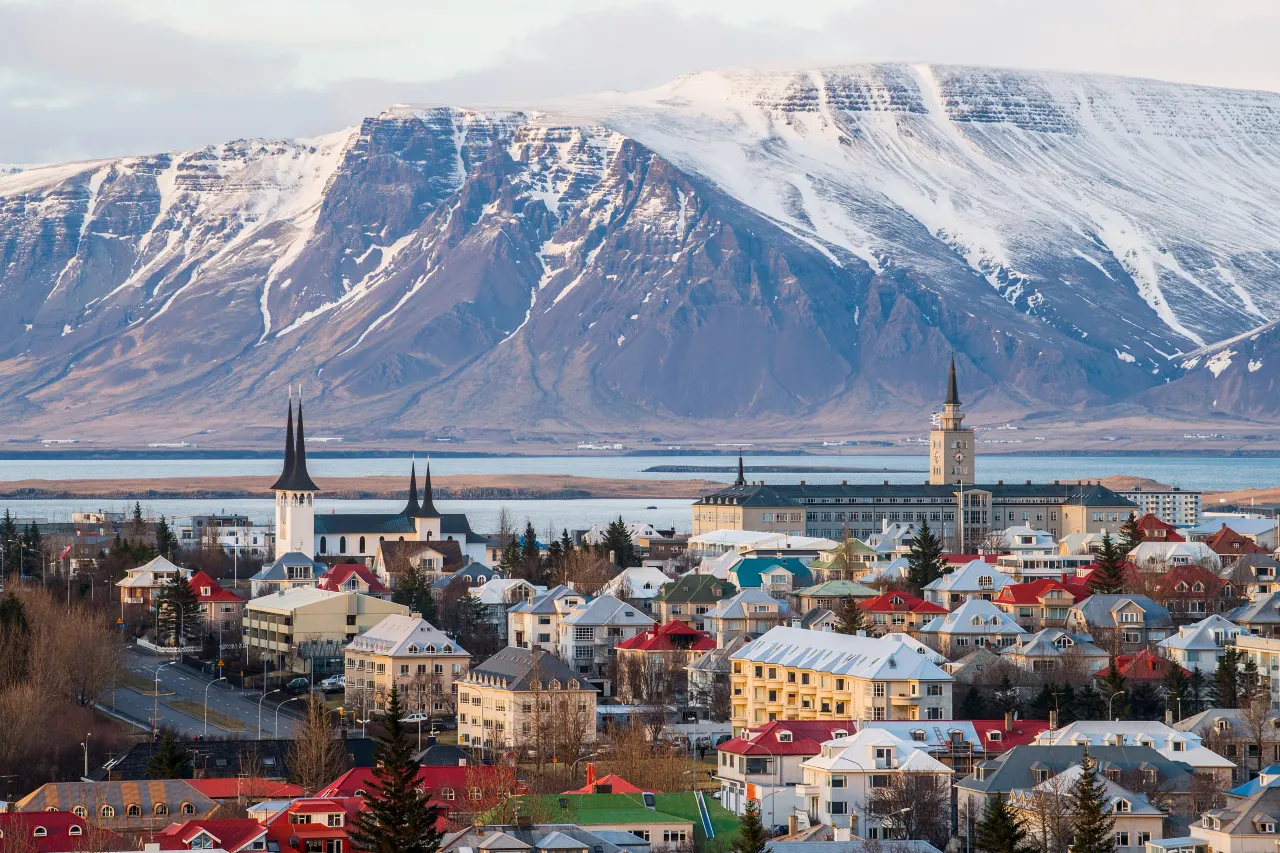
For visitors who want the season without the closed doors: the weeks before Christmas are the sweet spot. The Reykjavik Christmas market at Ingólfstorg fills the city center with stalls, lights and the smell of roasted almonds; seasonal concerts and church services, including the Christmas services at Hallgrímskirkja, are announced in the city’s event listings; and every museum with a December program leans into the folkloric season. Come mid-December rather than the 24th itself, and you get the full atmosphere with everything still open.
New Year’s Eve: bonfires and fireworks
New Year’s Eve is the most spectacular night of the Icelandic calendar, and its signature institution is entirely civic-minded. For weeks before, fireworks stands — recognizable by their search-and-rescue branding — sell fireworks to raise funds for ICE-SAR, the volunteer search-and-rescue teams that keep the country’s mountains, glaciers and coastlines safe all year. Icelanders buy in bulk, and on December 31 they launch the proceeds skyward: from late evening onward, amateur rockets rise from every neighborhood, building to a full-city barrage around midnight that has no parallel we have seen anywhere in Europe.
The evening starts calmer than it ends. Communities light bonfires — neighborhoods gather around the flames at dusk, often with singing, in a tradition that predates the fireworks era — and the burn lasts until the sky above gets busy. Many attendees then migrate to the big public celebrations downtown; others climb any hill with a view and watch the whole capital detonate in color at once. On a clear night, the aurora occasionally joins the show over the bay, stacking green ribbons above the fireworks haze.
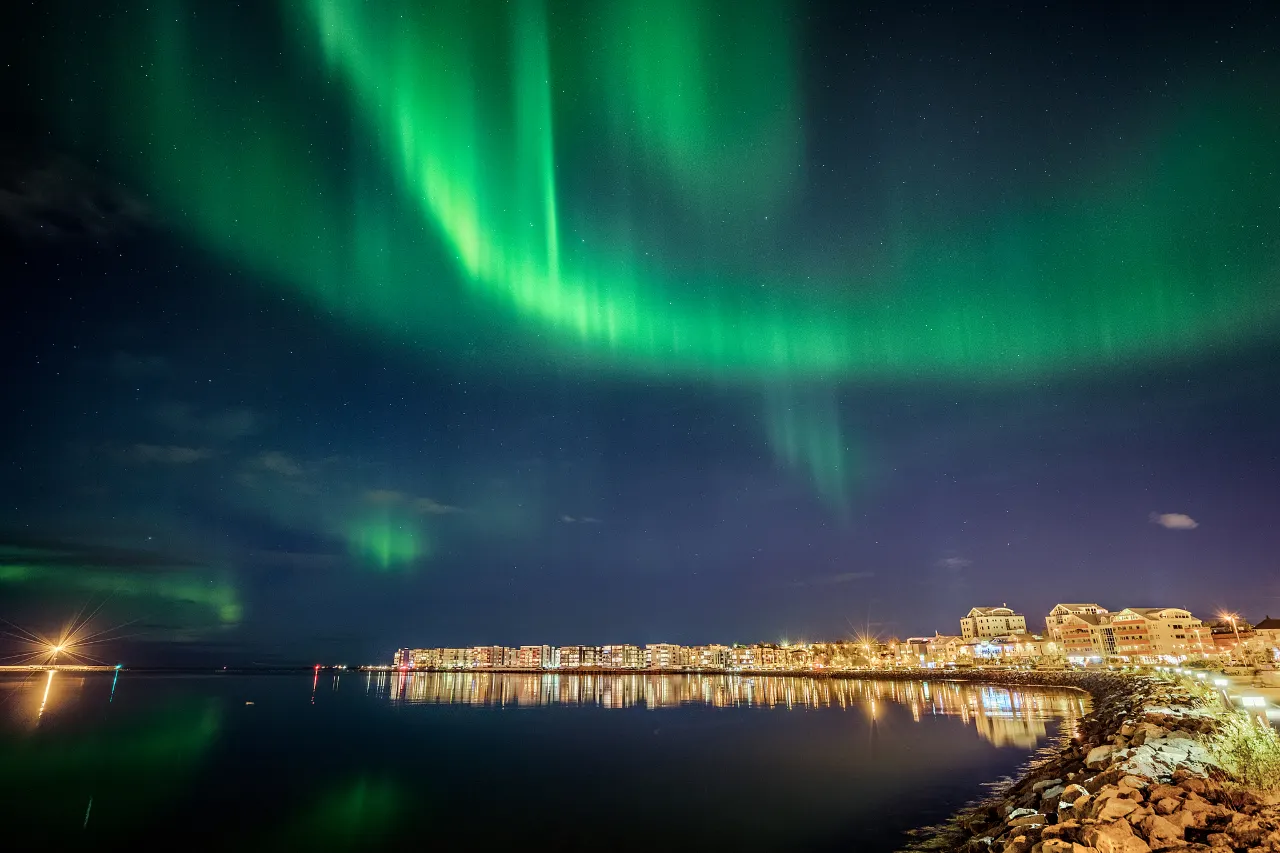
From real trips: the bonfire is the part visitors skip and shouldn’t. Standing around a communal fire at dusk, snow squeaking underfoot, strangers offering sparklers and singing badly in harmony, is the actual Icelandic New Year — the fireworks after midnight are the encore. Dress for standing still in the cold, and walk: streets near the fires close to cars and fill with families toting fireworks crates.
Two practical notes. First, public transport thins out on the night, so choose accommodation you can walk home from. Second, respect the tradition’s purpose: the fireworks are a charity engine, and the volunteer crews who sell them are the same ones who will rescue you on your glacier hike next summer.
Visiting Iceland in December
The honest logistics: December gives you roughly four to five hours of usable daylight in the southwest, and storms can close roads and ground plans with little notice. The reward package is equally real — deep-blue twilight that photographers call the blue hour stretched across entire working days, snow-draped landscapes, the coziest café culture on the island, and a genuine aurora season overhead. The northern lights run roughly September through March with peaks around the equinoxes, and December’s long dark nights mean any clear evening is a chance — the forecast routine is covered in the season guides linked below.
Practical habits for a December trip: keep driving days short and flexible, check road conditions and weather every morning on road.is and en.vedur.is before leaving, and build an indoor fallback — a museum, a pool, a long lunch — into every day so a storm never wastes one. The full winter playbook, from ice caves to packing lists, lives in our winter travel guide. If your dates flex, the first half of December delivers the markets and Yule Lads with thinner crowds than the holiday week itself.
Frequently asked questions
When do the Yule Lads arrive and what do they do?
They arrive one per night from December 12 through December 24 — thirteen in all, ending with Kertasníkir, the Candle-Stealer, on Christmas Eve. Historically small-time thieves of food and household goods, the modern Yule Lads leave small gifts in children’s shoes placed on windowsills, one lad one night at a time.
What is the Christmas Book Flood?
Jólabókaflóðið — the annual wave of new book releases published ahead of Christmas and exchanged as the default gift of the season. On Christmas Eve, families open presents and then read the new books through the night, traditionally accompanied by chocolate. It is a living extension of Iceland’s thousand-year literary tradition.
Is New Year’s Eve in Reykjavik worth it for travelers?
If you like fireworks, it is unmatched: the city becomes a distributed fireworks show funded by ICE-SAR charity sales, with community bonfires at dusk to open the evening. Book accommodation central enough to walk, expect thin transport, and be ready for a night that runs loud well past midnight.
Can I see the northern lights at Christmas?
Yes — December sits inside the September-to-March aurora season, and the long dark nights are ideal. Success depends on clear skies more than anything else: check the forecast on en.vedur.is, get away from city lights, and treat any clear evening as a chance. Fireworks haze on the 31st itself can dim the show locally.
What’s open in Iceland on December 24-26?
Very little. Christmas Eve is the main family celebration, and the 24th through 26th are holidays with shops and most restaurants closed. Plan hotel dining, self-catering or hosted evenings for those dates, and schedule your sightseeing and market visits for the weeks before Christmas instead.
Build your December plan
The northern lights are the season’s second show — our aurora guide and winter playbook cover the forecast routine and the storm-proof itinerary.
Keep exploring the season: the Reykjavik aurora guide covers the city’s best dark-sky corners, the complete winter guide turns the dark weeks into a working itinerary, and the Akureyri guide shows how the north celebrates under deeper snow. Field notes from our own December trips live on the Blog.
Sources & official references
- Icelandic Christmas folklore: the thirteen Yule Lads (jólasveinar), Jólakötturinn and Jólabókaflóðið, as documented in national folklore collections and museum materials.
- New Year’s Eve traditions: community bonfires and fireworks sales funding volunteer search-and-rescue operations (ICE-SAR), per the rescue associations’ own public information.
- Seasonal conditions: December daylight and storm patterns per en.vedur.is (Icelandic Meteorological Office) and road.is (checked 2026).
- Trip.com Iceland destination guide (checked 2026): winter festivals, seasonal events and December travel tips.
- Editorial visits across Decembers 2023–2025 by the Iceland Travel Guides team.
