









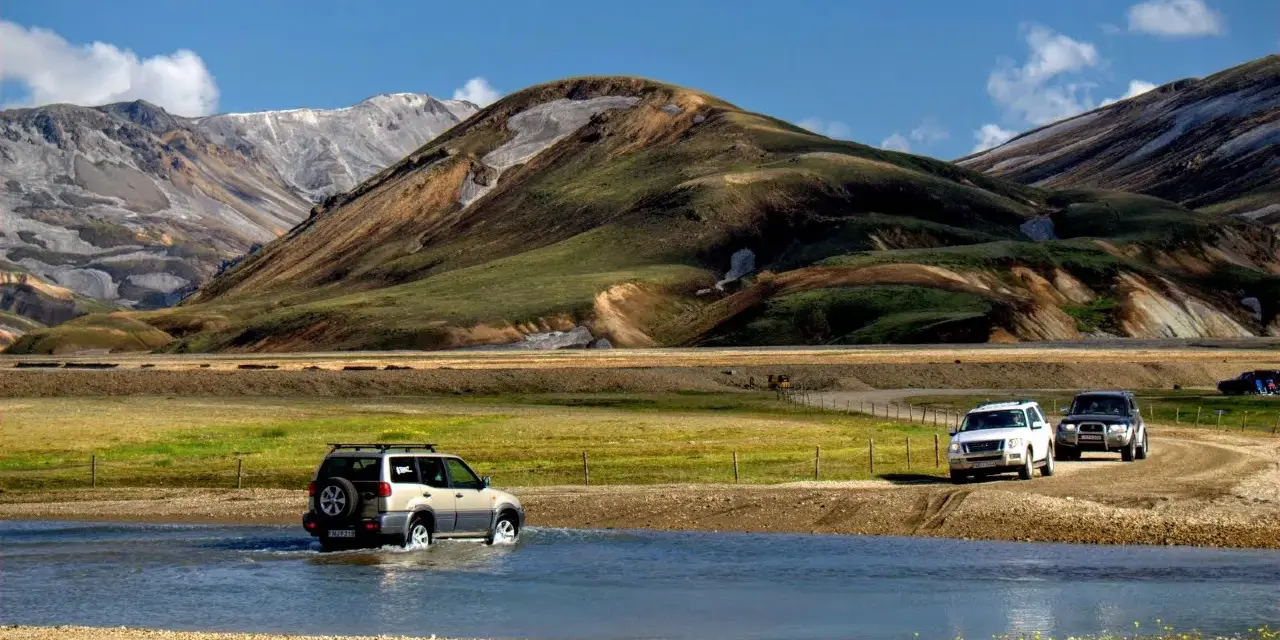
The campervan pitch is seductive and, mostly, true: one vehicle that is both your bed and your wheels, waking up at a glacier, sleeping beside the ocean, cooking dinner while the midnight sun refuses to set. Iceland runs one of the best campsite networks in Europe to support exactly this. But the country also enforces the rules that make it work — designated campsites only, no sleeping in cars at viewpoints, and a wind that treats badly parked vans as a joke in poor taste — and every good campervan trip here is built on knowing which parts of the freedom are real.
Our team has crossed the island by van more times than we can count, from a leaky two-berth high-top in a September gale to a properly hooked-up four-berth in July’s endless light. This guide is what we wish we had read before the first rental: the rules, the costs, the campsite reality, the packing list that actually matters, and the honest pros and cons that decide whether a campervan is your best booking or your biggest mistake.
Key takeaways
- Wild camping is restricted: overnight stays belong in designated campsites — sleeping in cars or motorhomes outside them is illegal.
- The network is excellent: well over a hundred registered campsites nationwide, typically around $15–25 per person per night.
- Wind is the boss: park nose to wind, hold car doors like they cost a deposit (they do), and respect orange and red warnings.
- Book summer vans months ahead: peak-season high-tops start from roughly $120 a day — a figure that moves hard with season and demand.
- Pack for zero, not for July: a sleeping bag rated to about 0°C comfort, an eye mask for the midnight sun and warm layers decide sleep quality.
Quick answer: rent a two- to four-berth camper, sleep in a campsite every night, check en.vedur.is and road.is each morning, park nose to wind, and empty gray water only at designated stations. Do that, and a campervan is the most flexible way to see Iceland — the option we pick for roughly half our own Ring Road trips.
The rules: where you can (and can’t) sleep
Start with the rule that surprises returning visitors: the old “camp anywhere” folklore no longer applies. Wild camping is restricted, and overnight stays — tent or vehicle — belong in designated campsites. Sleeping in cars or motorhomes outside campsites or urban areas is illegal, and enforcement is real: wardens move travelers along, fines follow, and the photographs of vans parked at famous viewpoints are taken during opening hours, not at midnight.
The companion rule is absolute: off-road driving is illegal and punished with heavy fines, because tire tracks in moss or volcanic soil outlive the trip by decades. The upside of obeying both rules is a better trip anyway — the campsite network is dense enough that a legal bed sits within reach of nearly every viewpoint, and the sites themselves are where the community, the kitchens and the showers live.
Campsites: what to expect
Iceland counts well over a hundred registered campsites, from municipal lawns behind swimming pools to farm fields with glacier views. The typical fee runs around $15–25 per person per night, with electricity hookups adding roughly $5–10 where offered. Toilets and showers are standard, many sites add cooking shelters and drying rooms, and the municipal sites often double as the town’s social hub — locals training after work, kids on the slide, the hot pot steaming at the edge of the lawn.
- Facilities: toilets and showers standard; cooking shelters and laundry common; municipal sites often share ground with the town pool.
- Booking: many sites stay first-come, first-served; popular summer sites and booking platforms reward reservations in July–August.
- Power: hookup pitches charge a small nightly add-on and keep the fridge, heater and batteries happy.
- Timing: arrive before the evening wind fills in, and claim a sheltered corner rather than the scenic, exposed corner.
Renting a campervan
The rental market runs two broad lanes: compact two-berth high-tops (bed over the cab, cooler and stove in the back) and proper motorhomes in two- to four-berth layouts with real fridges and heating. Summer is peak by any measure — book months ahead for June–August, because fleets sell out while prices climb with the forecast. Costs vary widely by season and vehicle; peak-season high-tops start from roughly $120 a day (a planning figure, not a quote), and insurance choices matter more than any other checkbox, because wind damage to doors and panels is the most common claim on the island.
Three practicalities separate a good rental from a frustrating one. First, ask about the heater and whether it runs on hookup or battery — cold nights are normal even in July. Second, confirm where gray water and toilet cassettes can be emptied: designated stations only, and staff will point you to them. Third, check the van’s wind behavior honestly — high-tops catch gusts like sails, and knowing how to park nose to wind is worth more than any upgrade package.
A day on the road: pros, cons & rhythm
The pros are exactly why you are considering it: lodging and transport in one booking, total flexibility to chase weather windows, campsite kitchens that rescue the food budget, and the slow mornings at scenic sites that hotels can never sell. The cons are just as real: wind that shoves the van and keeps the kettle off-balance, nights cold enough to matter even in summer, zero legal sleeping at viewpoints or petrol-station car parks, and the daily chore loop of water tanks and waste stations.
The rhythm we settle into: weather and road check at breakfast, one anchor sight per day, campsite arrival by late afternoon, cooking while the light goes long, and a walk after dinner because the sun will not set for hours anyway. Keep the loop honest — a campervan that arrives at every site after ten at night is a hostel with worse sleep.
From real trips: the single best upgrade to any van trip is a campsite shower after a windy day, and the single best habit is parking nose to wind the moment you arrive. Doors open with the gusts, not against them; bags stay on the floor; and nobody chases a rolling thermos across a lawn at midnight.
Packing the van
The van supplies wheels and walls; you still supply the climate. Pack sleeping bags rated to roughly 0°C comfort — rental bedding varies, and even summer nights at altitude or on the coast bite. Add an eye mask without negotiation (the midnight sun turns 23:00 into noon), warm layers that live within arm’s reach, and a dry bag for the towel-and-swimwear kit that should travel in the door pocket all summer.
Inside the van, designate zones ruthlessly: wet gear at the door, kitchen kit latched, everything else in bags rather than loose, because any wind-driven stop scatters loose items across the cabin in seconds. The packing guide’s full layer system applies here — what to pack for Iceland — with the van adding one rule: everything must survive being shaken by a gust while you cook pasta.
Where camping shines: Þórsmörk & the highlands
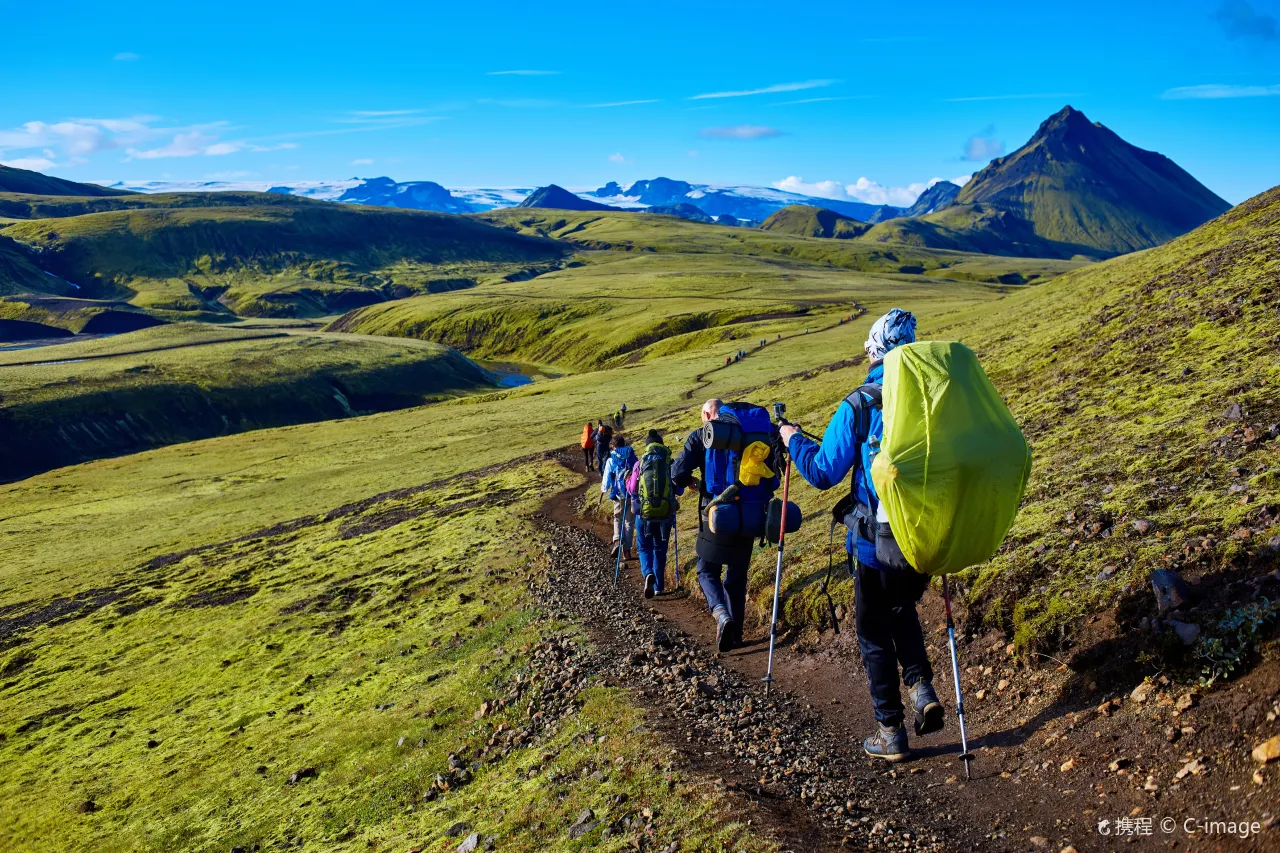
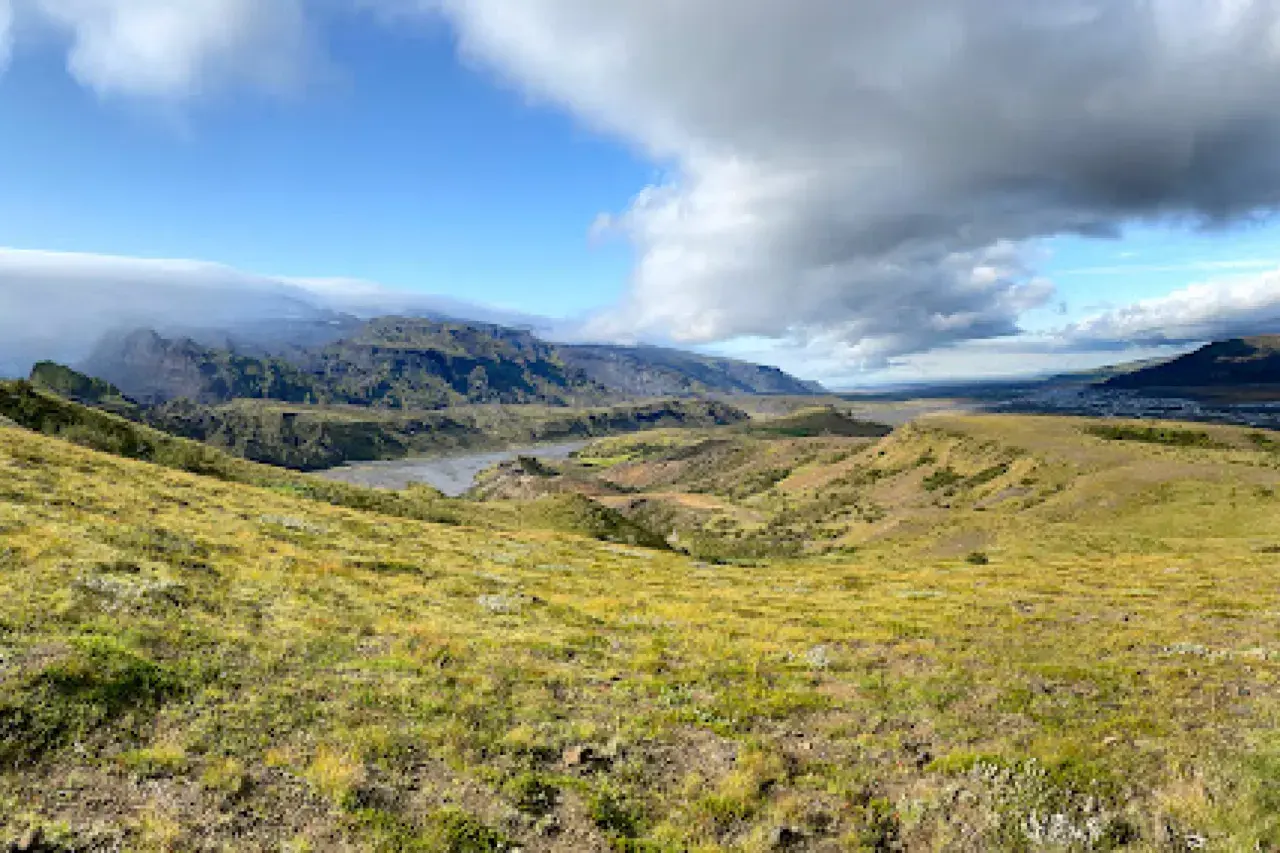
Some places reward the campsite choice more than others. The Þórsmörk valley — glaciers wedged between green ridges, rivers braiding through birch woods — holds famous sites like Básar, and camping there turns a hiking day into a slow evening of steam, valley views and trail gossip. In the highlands around Landmannalaugar, the campsite sits beside steaming hillsides and the hot river, which is the kind of location no hotel room can replicate.
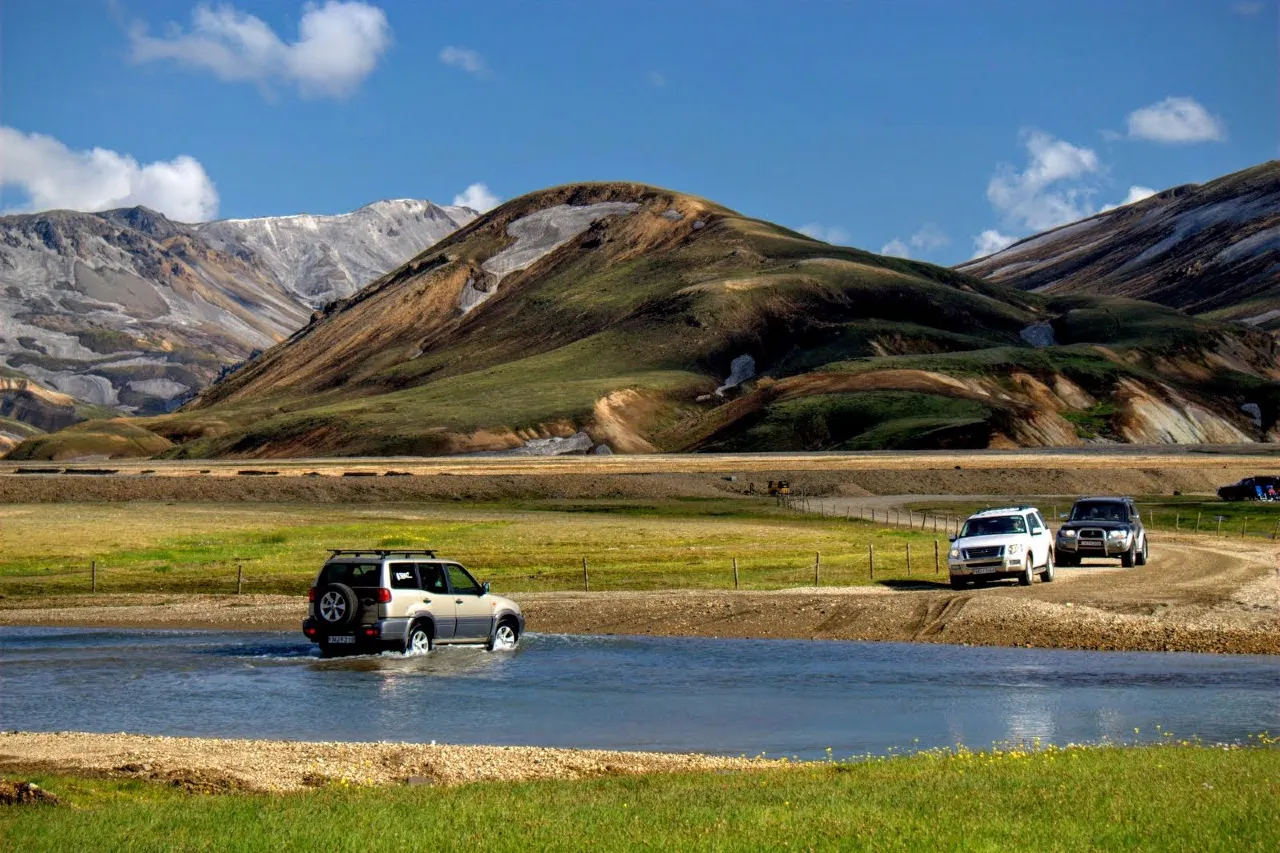
Plan the highland entries honestly, though: F-roads open only in summer, demand 4x4s, and river crossings belong to properly equipped vehicles — the rental desk will tell you plainly which vans may and may not go. For the deep valleys and the Westfjords’ remote corners, campsite-and-bus combinations and shuttles often beat driving; our Þórsmörk hiking guide, Landmannalaugar guide and Westfjords guide each map the logistics in detail.
Winter camping & leave-no-trace rules
Winter shrinks the game without erasing it: a smaller set of sites stays open, some with heated common rooms, and the ones that do operate expect serious kit — a real winter-rated sleeping system, a van with a trustworthy heater, and the humility to cancel when warnings go orange. For most travelers the honest winter answer is a van for day trips plus fixed-roof nights; for the hardy few, empty campsites under aurora skies are a genuine privilege.
In every season, the leave-no-trace rules are the license that keeps the whole system open: pack out everything, use designated waste and gray-water stations, keep vehicles on roads, and leave the lawn as you found it. The reasons behind the rules — fragile moss, protected ground and the fines that enforce them — belong to the responsible travel guide, and campers carry more of that responsibility than anyone, simply because we stand on the land longer.
Frequently asked questions
Can I wild camp or sleep in my car in Iceland?
No. Overnight stays belong in designated campsites, and sleeping in cars or motorhomes outside campsites or urban areas is illegal — that includes viewpoint car parks and petrol-station lots. The campsite network is dense enough that a legal bed is always close.
How much do campsites cost?
Typically around $15–25 per person per night, with electricity hookups adding roughly $5–10. Facilities run from simple lawns to full-service municipal sites with showers, kitchens and shared hot pots.
Do I need to book campsites ahead?
Many sites remain first-come, first-served, but the popular summer sites and the booking-platform network reward reservations in July and August. A flexible plan with one booked anchor site per region handles both realities.
How much does renting a campervan cost?
It varies widely with season and vehicle; peak-season two-berth high-tops start from roughly $120 a day, and proper motorhomes run higher. Treat all figures as planning numbers, book months ahead for summer, and put real attention into the insurance and wind-damage terms.
Is campervanning realistic in winter?
For experienced travelers with serious kit, yes — a smaller set of sites stays open. For most visitors, the smarter winter setup is a heated room each night with a car for day trips, because storms, cold nights and shorter daylight stack the odds against van sleeping.
Plan the van, respect the wind
The Trip Planner maps campsite-friendly stages day by day, and the weather guide decides which mornings you drive and which you don’t.
Route the trip with the Ring Road driving guide, stretch the savings with the budget guide, and keep the campsite-side rules of responsible travel in mind — they are what keep this kind of freedom welcome. More van-trip field notes live in the blog.
Sources & official references
- Trip.com Iceland travel tips (checked 2026): camping and vehicle-sleeping rules, campsite network and facility norms.
- Campsite fee ranges from published site listings for 2025–2026; figures are indicative and vary by region, season and hookup.
- Official services: road.is (road and F-road status), en.vedur.is (wind warnings), safetravel.is (outdoor safety guidance).
- Editorial campervan trips across seasons 2024–2026 by the Iceland Travel Guides team.
